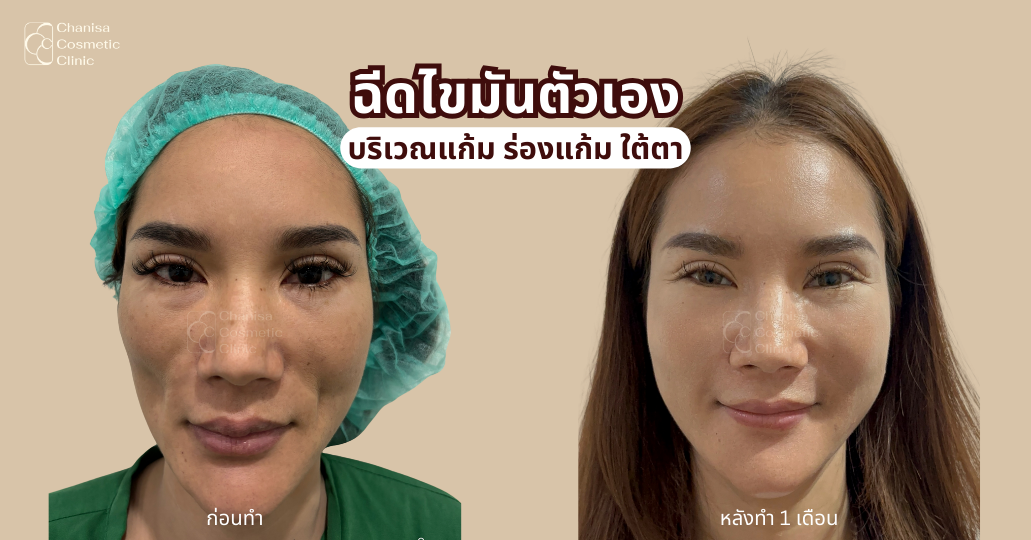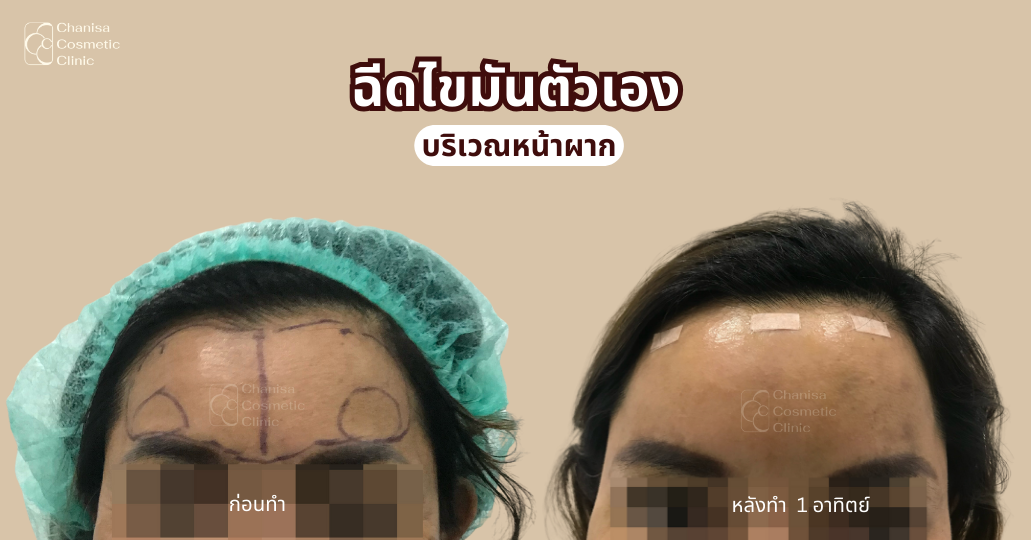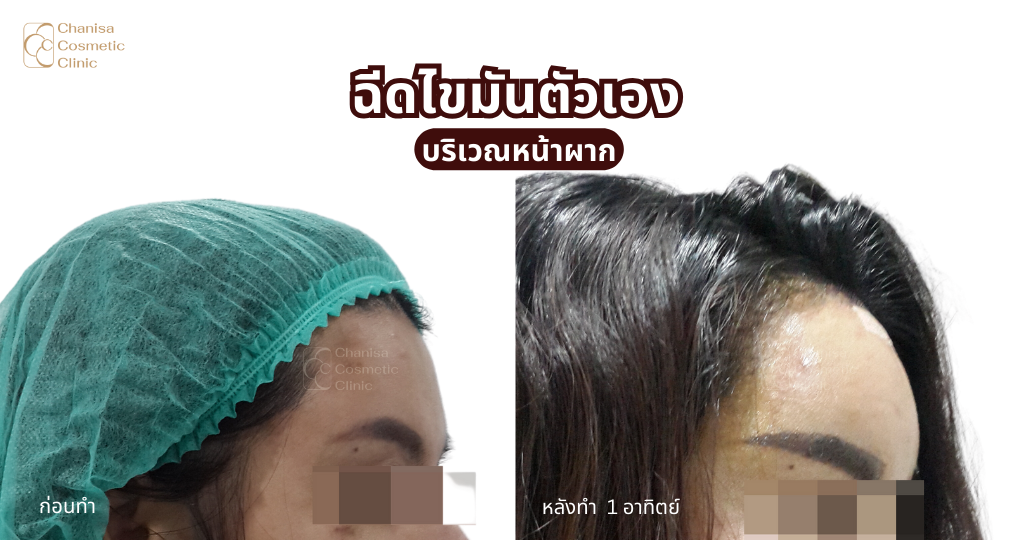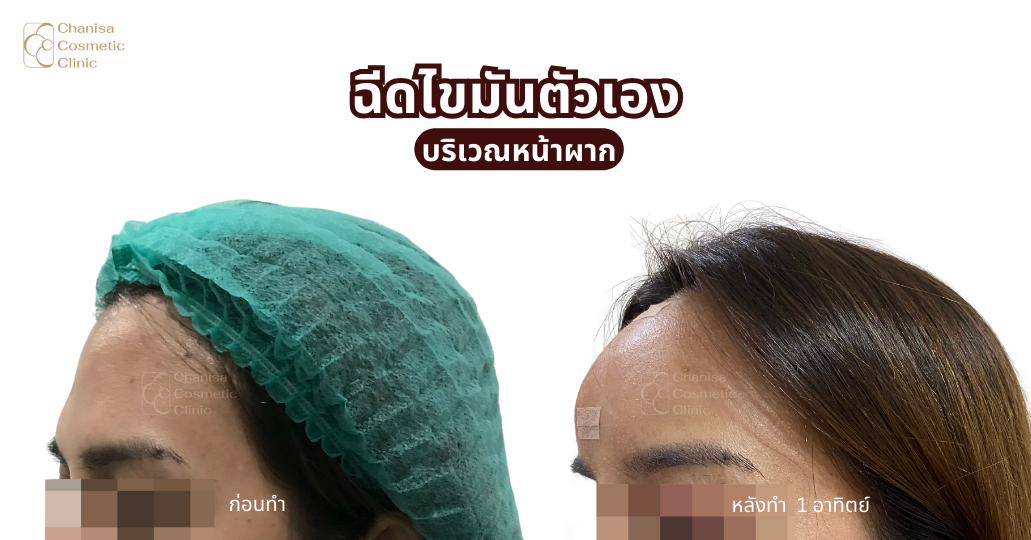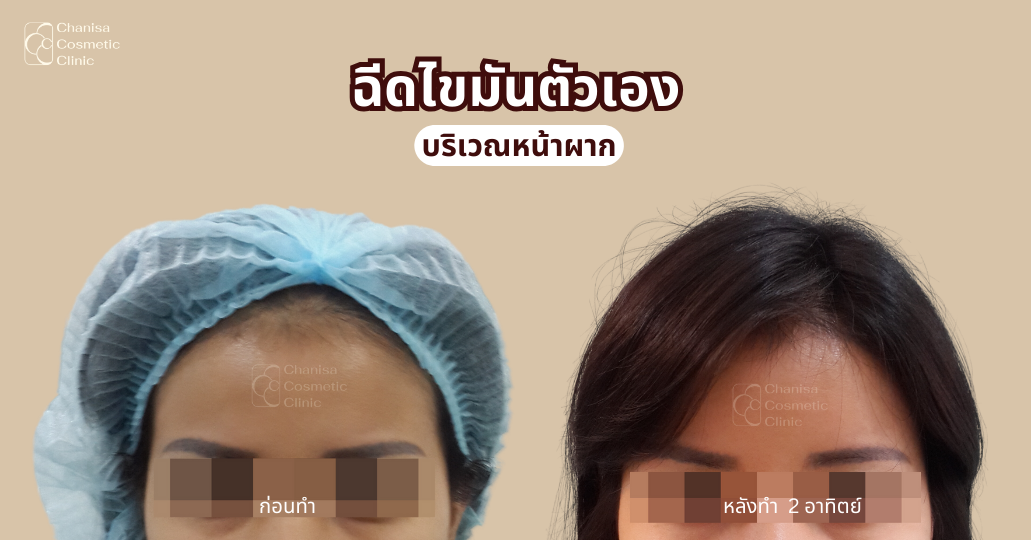
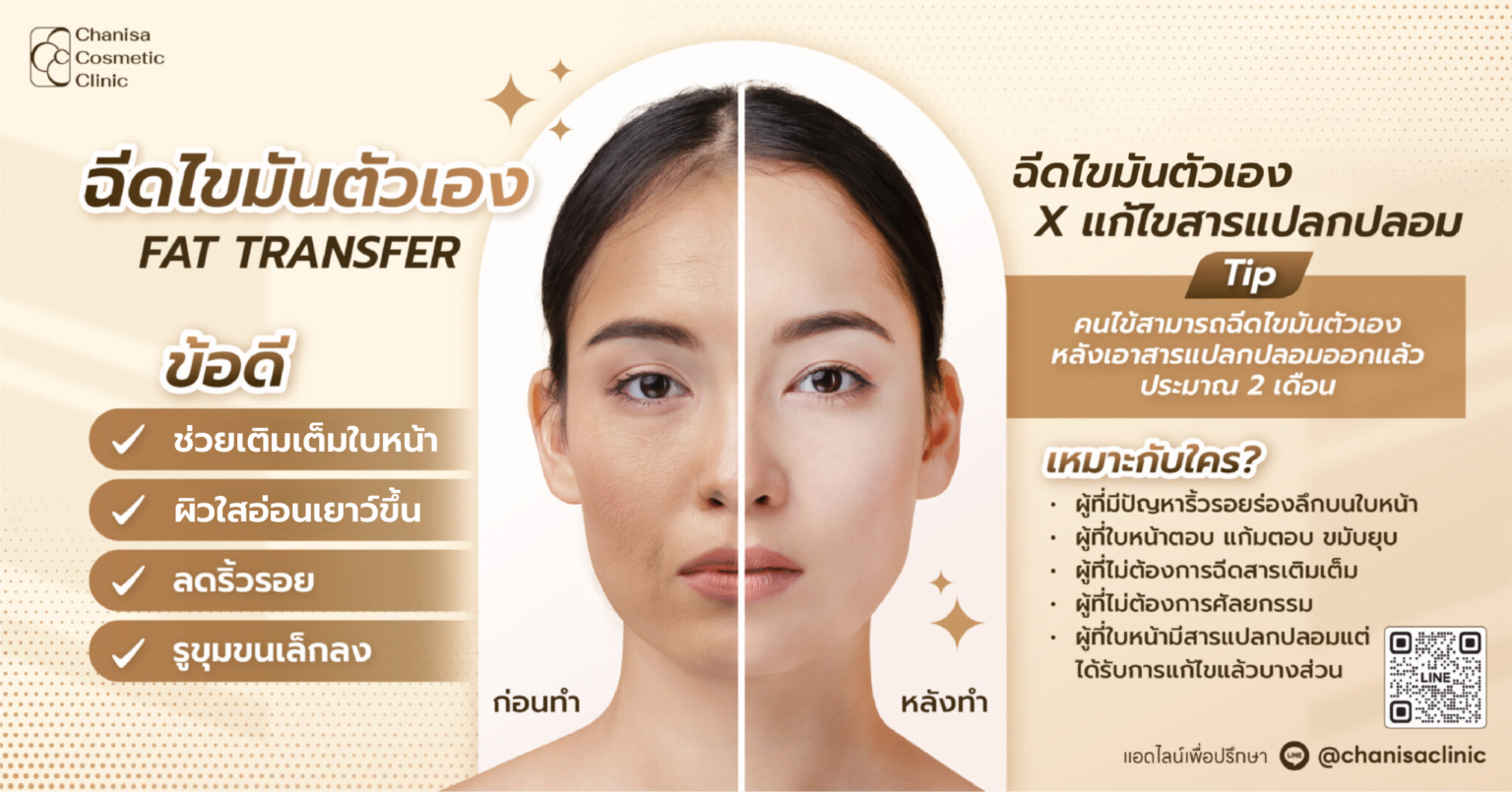
Fat Transfer
Fat Grafting
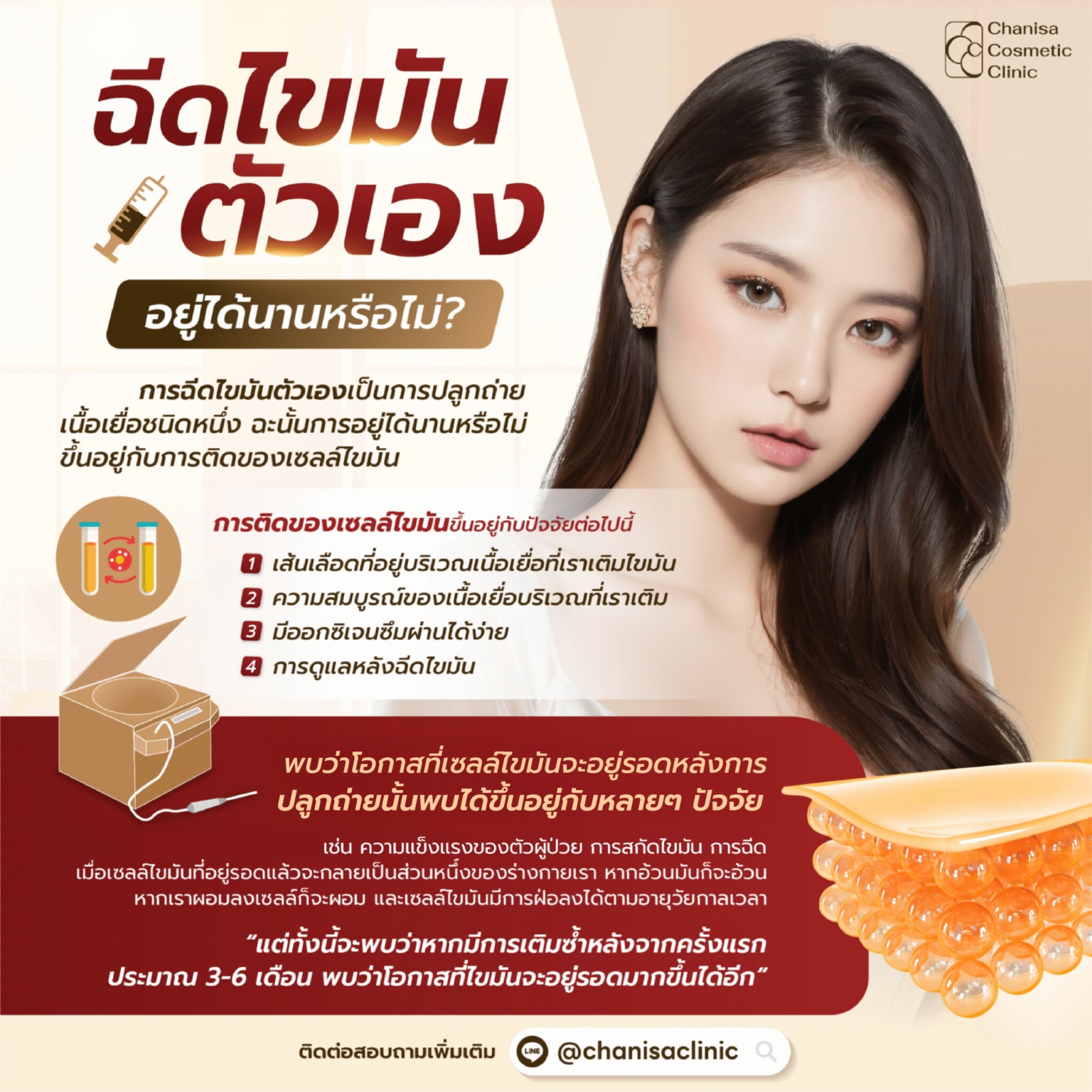
Fat-cell survival after transplantation varies depending on several factors, including the patient’s overall health, how the fat is harvested, and how it is injected. Once the fat cells survive, they become part of the body. They can enlarge with weight gain and shrink with weight loss. A repeat fat transfer approximately 3–6 months after the first procedure may further improve the chances of fat-cell survival.
Which Areas Can Be Treated?
- Under-eye area
- Eyelids/orbital area
- Temples
- Forehead
- Nasolabial folds
- Hollow cheeks
- Cheek lift
- Marionette lines
- Chin
- Full face
- Breasts
- Hips
- Genitals

Who Is a Good Candidate for Fat Transfer?
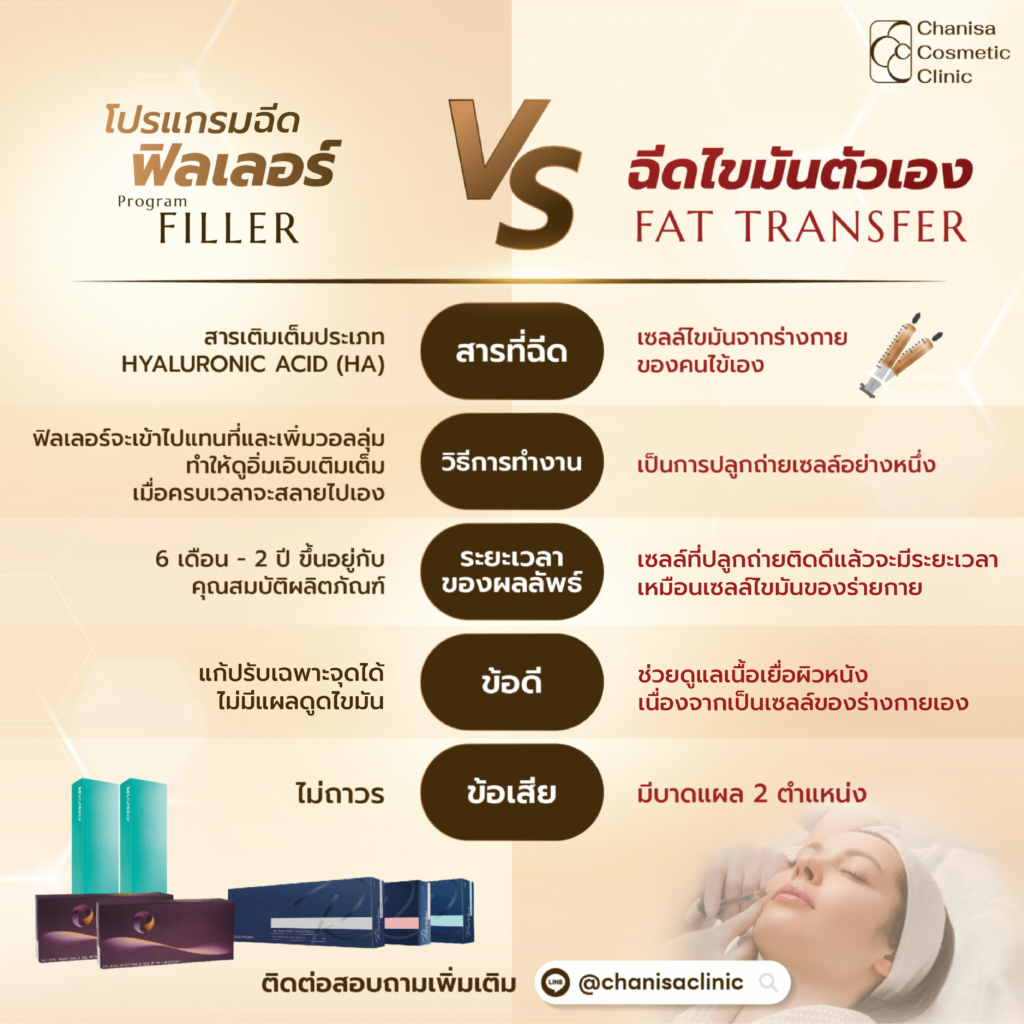
Filler Injections vs. Fat Transfer
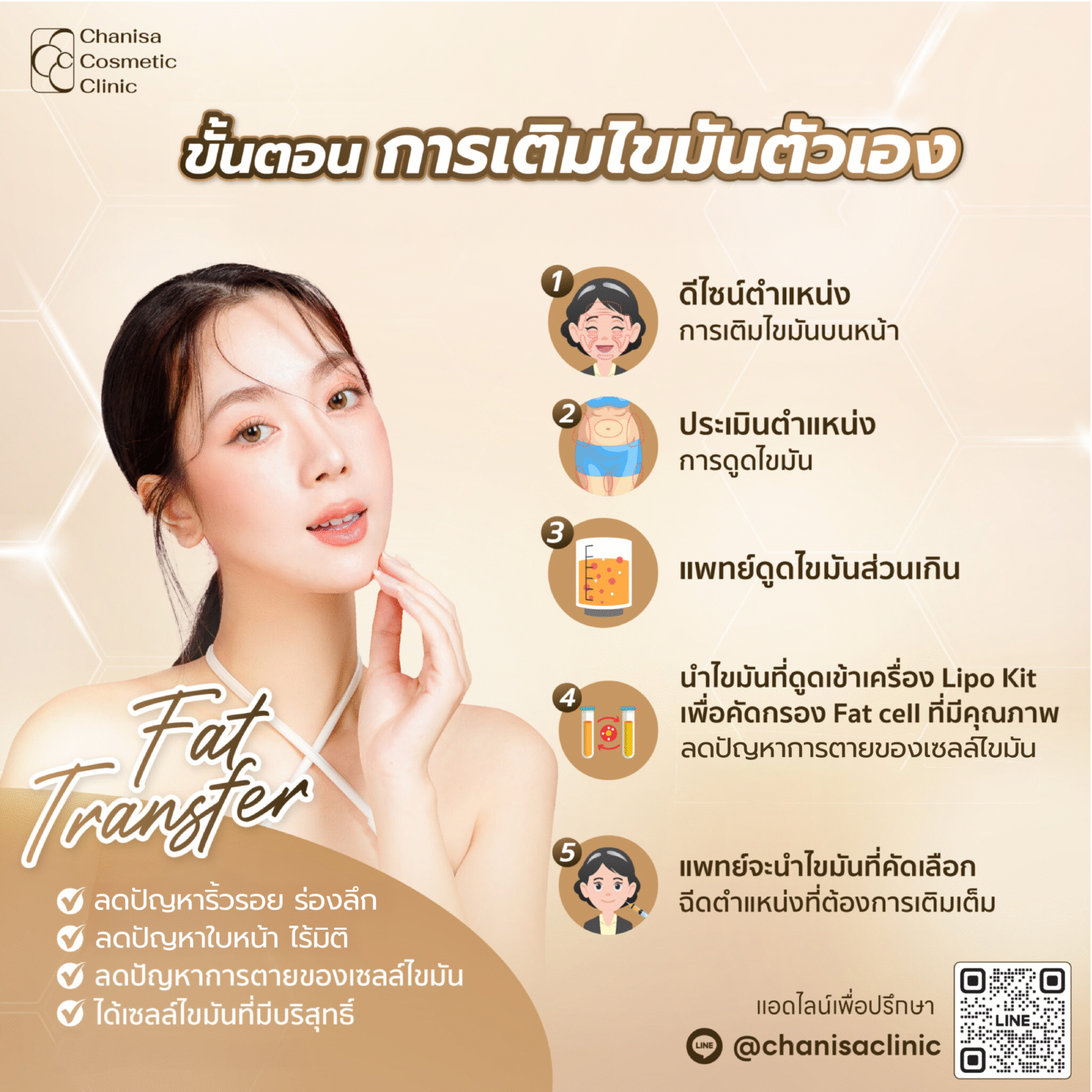
The Fat Transfer Procedure
The procedure, performed under local anesthesia, typically takes about 1.5–4 hours, depending on its complexity and the amount of fat to be injected. The surgeon assesses the amount needed and the suitability of different areas of the body, selecting the highest-quality fat first. Common donor areas include the abdomen and thighs.
Fat Transfer
The injection technique plays a major role in reducing fat resorption after surgery. Once the target area has been marked while the patient is sitting or standing, local anesthesia is administered. Small incisions, 1–2 mm in size, are then made in inconspicuous areas. Fat is injected along multiple tracks and at different depths to maximize contact with the blood supply and greatly reduce post-surgical resorption (fat-cell death). Doctors generally inject an amount exceeding the desired volume by approximately 20% to compensate for subsequent resorption, which is approximately 30–40% of the grafted fat volume. At the end of the procedure, tape is applied to provide compression and prevent the injected fat from shifting or collecting in one place for approximately 24–48 hours.
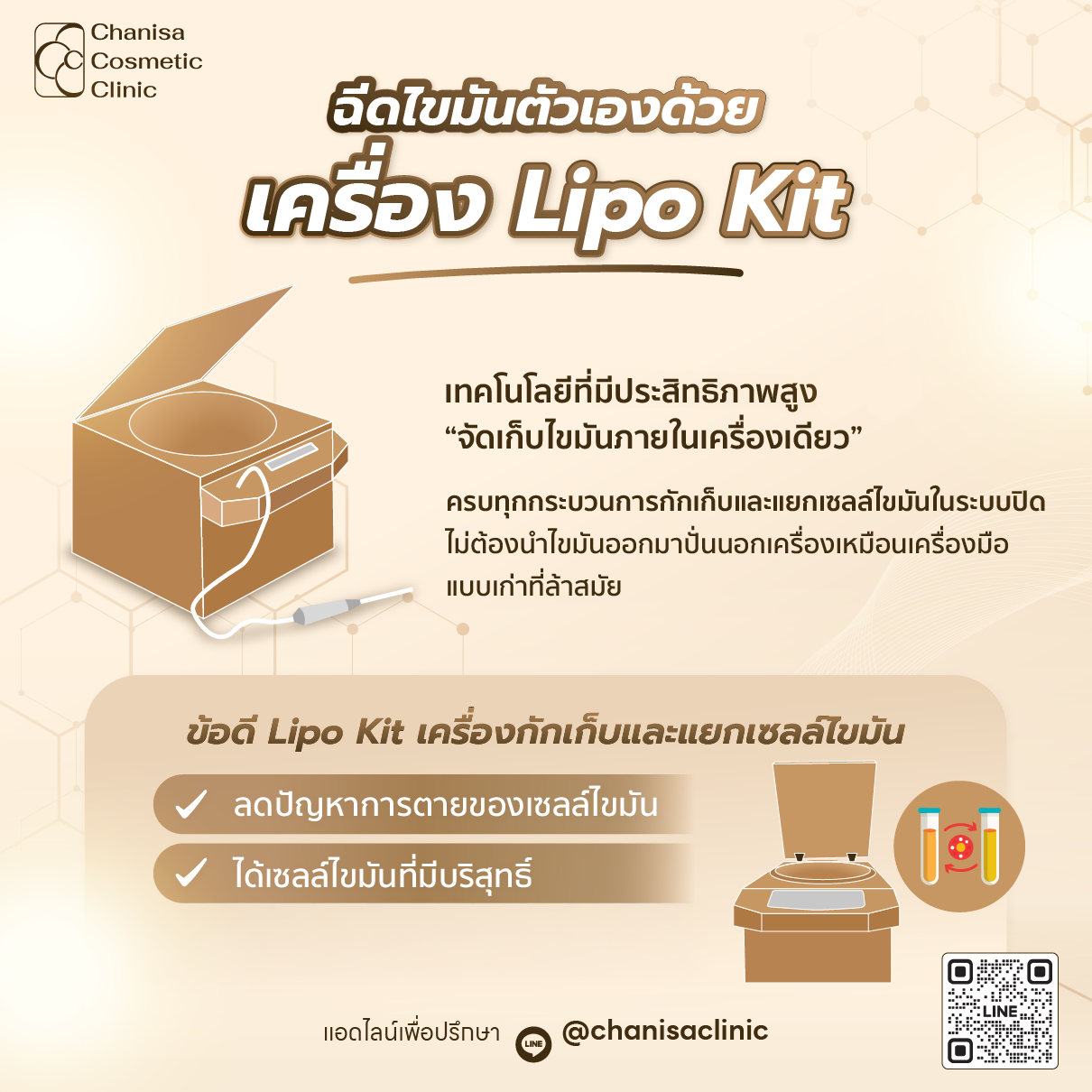
Lipo Kit: Advanced Technology for Fat Preservation
LipoKit is a high-performance, advanced device that handles the entire fat-processing process in one unit using a closed system. It covers fat harvesting, storage, and separation of fat cells. The doctor harvests fat from various areas of the body, then separates out lymphatic fluid or blood mixed in during liposuction. The fat is then reinjected into the same patient without being removed and spun outside the device, as with outdated equipment. This produces highly purified fat cells suitable for injection into the desired areas, with high cell quality and viability.
What to Expect After Fat Transfer
Aftercare Following Fat Transfer
Stitches are removed 7–10 days after the procedure.
1. Follow the doctor’s wound-care instructions. Do not pull, pick at, or scratch the wound during the first 10 days, as this could cause it to open.
2. Do not press or massage the treated area for at least 1 month.
3. Keep the surgical wound dry for the first 7 days. Clean your face with tissue or a damp cloth instead.
4. Do not apply hot or cold compresses to the wound.
5. Avoid alcohol and smoking for at least 1 month.
6. Avoid strenuous fat-burning exercise for 1–2 months.