Breast Lift

Sagging Breasts
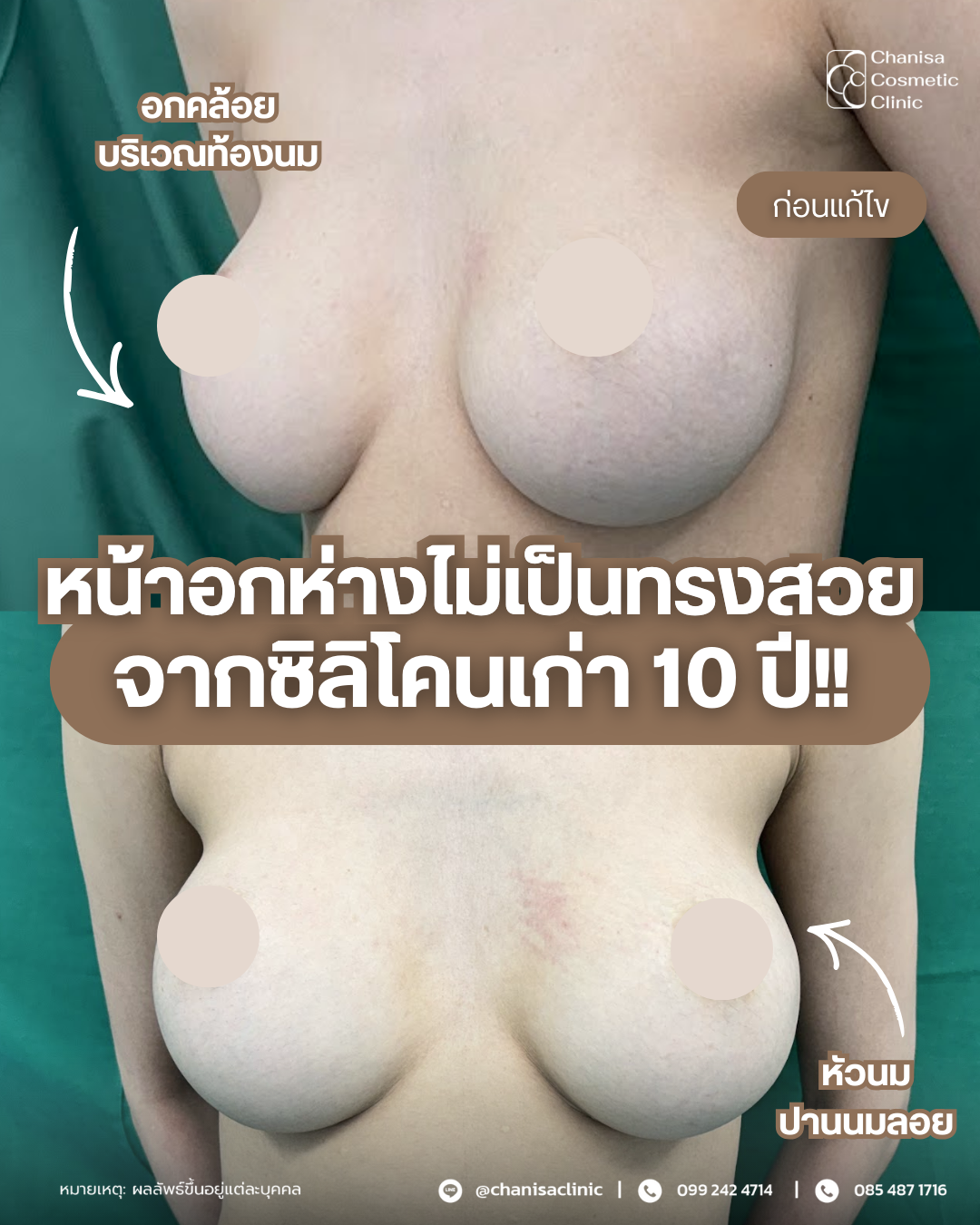
This is a natural condition that develops with age. Factors that can contribute to breast sagging include weight loss, pregnancy, breastfeeding, menopause, and gravity. The breasts may become longer and flatter, resulting in a less attractive shape. Surgery can improve this by moving the nipples to a higher position and lifting the sagging breasts.
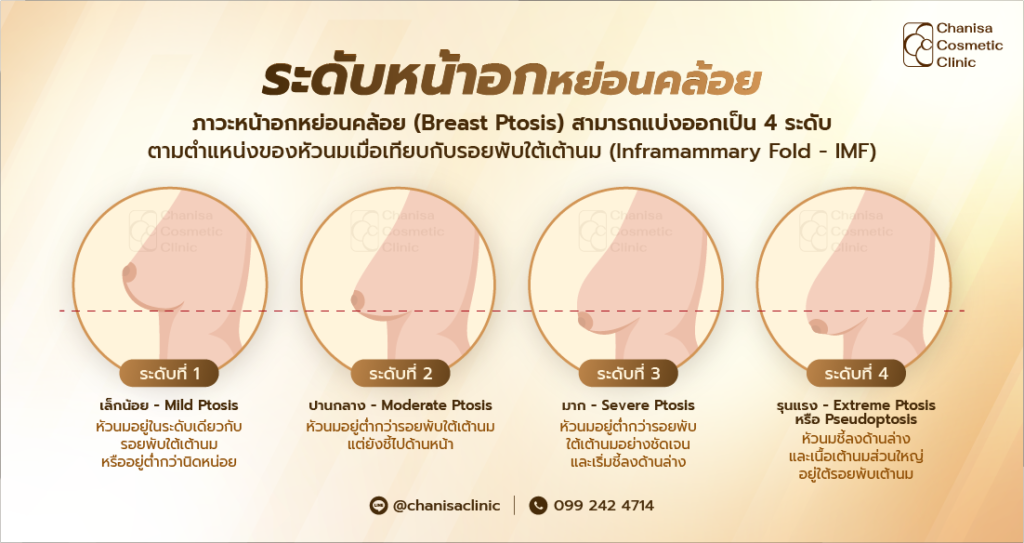
Breast ptosis is classified into 3 grades
Breast ptosis can be classified into 4 grades according to the position of the nipple relative to the inframammary fold (IMF), as follows:
- Grade 1 (Mild Ptosis)
The nipple is level with the inframammary fold or slightly below it. - Grade 2 (Moderate Ptosis)
The nipple is below the inframammary fold but still points forward. - Grade 3 (Severe Ptosis)
The nipple is clearly below the inframammary fold and begins to point downward. - Grade 4 (Severe – Extreme Ptosis or Pseudoptosis)
The nipple points downward, and most of the breast tissue lies below the inframammary fold.
Surgical Correction Techniques
Surgery to correct breast ptosis depends on the severity of the sagging. The operation usually takes 2–3 hours, and patients typically stay in the hospital for about 1 day. They can usually return to work about 1 week after surgery. It is important to wear a supportive bra both day and night for 1 month after surgery to help the breasts maintain a good shape.
1. Mild breast sagging may be treated with breast augmentation alone to lift the sagging area.
2. Severe breast sagging may require a breast lift alone, moving the nipples upward, removing excess skin to achieve a suitable fit, and adjusting the position of the inframammary fold and the outer edge of the breast.
3. Breast sagging with small breastsIf the patient wants larger breasts, this can be achieved with larger silicone implants while correcting the sagging in the same operation. Augmentation in patients who also want a lift is often performed under the muscle, since most people with sagging breasts have little breast tissue and thin skin. Submuscular placement helps prevent the implant edges or folds from being felt. It can also help reduce problems with interpreting mammogram results.
There are several surgical techniques, depending on the degree of breast sagging, as follows:
Method 1: Crescent technique (Crescent Mastopexy)
For mild breast ptosis, a crescent-shaped strip of skin is removed from the edge of the areola, then the nipple and areola are raised slightly. This technique can raise the areola by 2–3 cm and the nipple by 1–2 cm.
Method 2: Donut Technique (Benelli Mastopexy)
For mild to moderate breast sagging, a donut-shaped ring of skin is removed around the areola, then the edges are sutured toward the nipple. After suturing, the skin around the areola may look puckered for about 2–3 months.
Method 3: Vertical Incision Technique
In cases of severe breast sagging, where the nipple lies below the level of the inframammary fold, a lift requires moving the nipple considerably higher and removing a large amount of skin. The advantage of this lift is that the skin on the outer and inner sides of the breast is moved toward the center, giving the breast a cone shape and making the upper breast and nipple look fuller rather than flat and more attractive.
Method 4: Inverted-T Breast Lift
In cases of pronounced, severe breast sagging, the nipple is below the level of the inframammary fold and must therefore be moved a considerable distance upward. A vertical incision alone may not be sufficient, so a horizontal incision may also be needed to create an attractive breast shape. Breast reduction surgery removes excess breast tissue. In a breast lift combined with augmentation, the surgeon reshapes only the skin without altering the breast tissue. This allows the nipple to be repositioned and the skin to be reshaped extensively, significantly changing the breast contour.
Breast Lift Combined with Augmentation
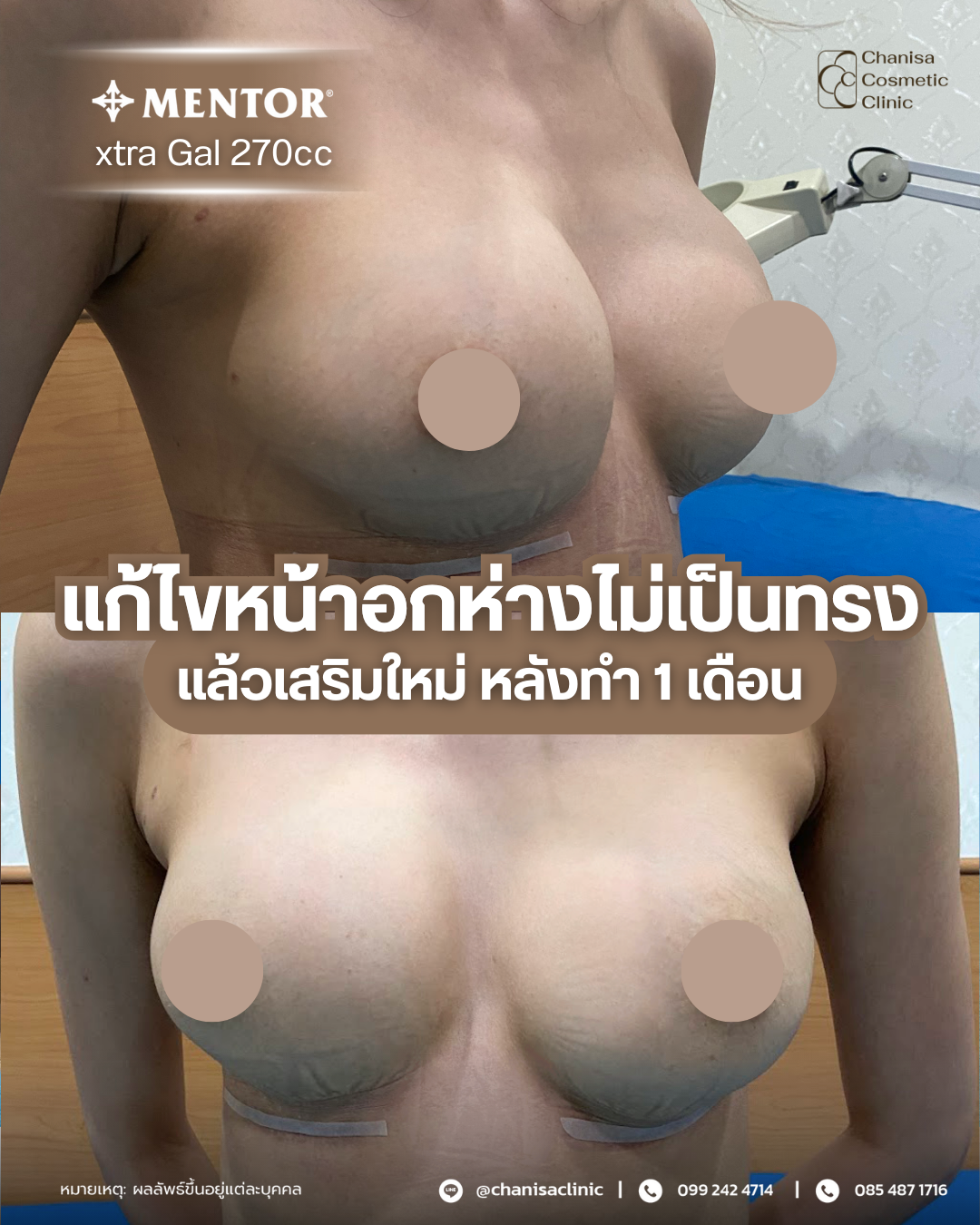
This is a more complex operation than breast augmentation or a breast lift alone. Before surgery, patients should discuss the details and desired size clearly with their surgeon. The implants should not be too large, as this can place excessive tension on the breast incisions and cause them to open. The implant size should suit the patient’s body shape and may also depend on how much skin needs to be removed during the breast lift and on the surgical technique used. Combining the two procedures takes longer and requires a longer recovery, and it also takes longer for the breasts to settle into their final position than after standard breast augmentation. In general, combining breast augmentation with a lift does not change nipple sensation. The scars may be quite visible at first, but usually fade and look better after 3–4 months.
Surgical Procedure