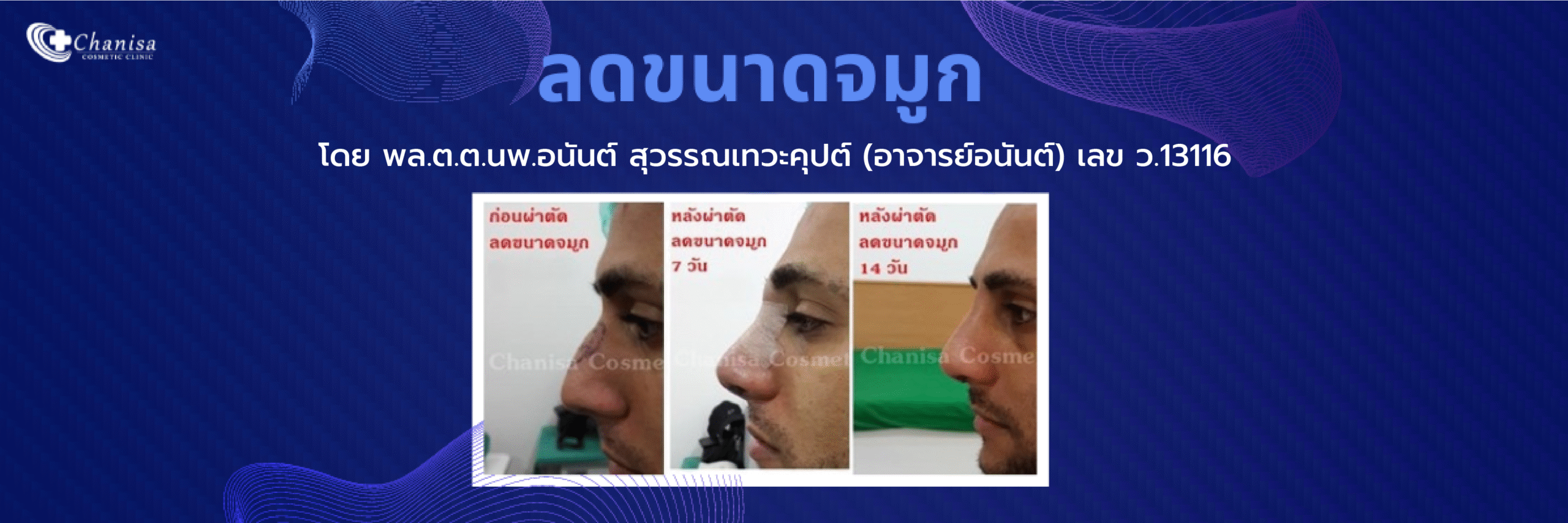
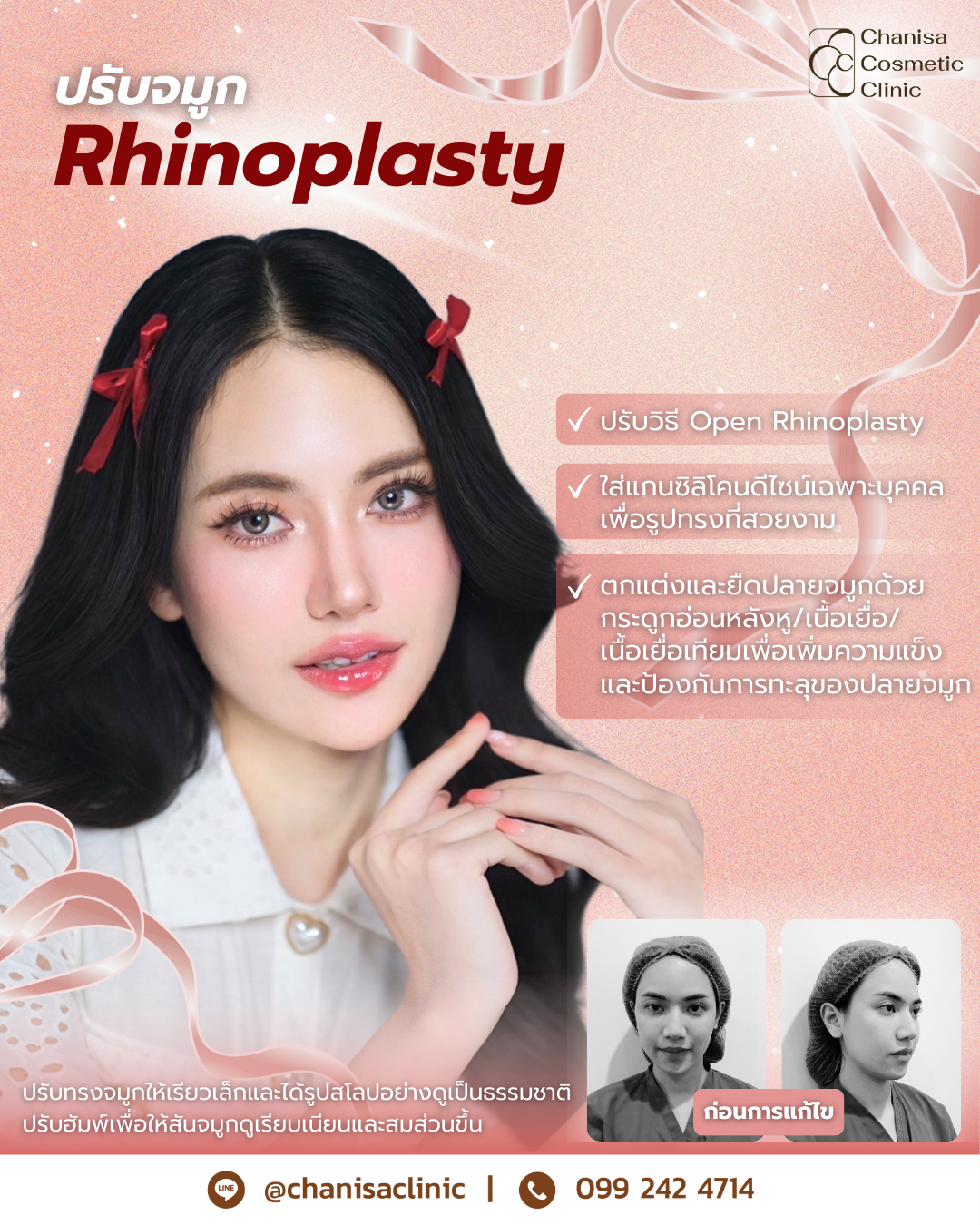
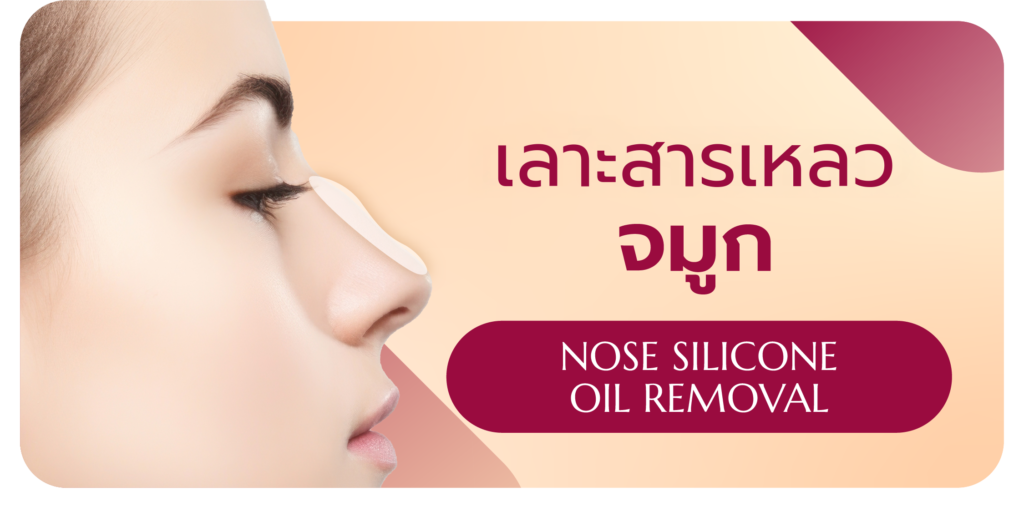
Nose reduction surgery can be performed in two ways
Method 1 (correction of a hooked nose)
Reducing the nasal bones along the bridge when they curve outward or form a hump—often called a hawk nose—or creating an angular, pointed shape reminiscent of a witch’s nose is an important cosmetic concern, especially for Westerners and Central Asians. Doctors can correct it by reshaping the cartilage.
Surgical procedure
When the nasal bridge bones are unusually prominent and cause a wide nasal base, the surgeon trims a small amount from the inner nasal wall and sutures it to draw the nose narrower. Surgery to correct a hooked nose is usually performed together with nose augmentation.
For a curved, prominent nasal bridge and a drooping tip If only the tip droops slightly, the surgeon can use an instrument similar to a saw and chisel to smooth the nasal bridge and trim the tissue at the tip. If the nose appears to protrude, however, this is because the nasal tip and bridge are low. Corrective surgery requires lifting the tip and bridge, then reshaping the protruding bone.
For a severely hooked nosereshaping the nasal bridge alone may not be sufficient. The nasal bones, cartilage, and septum must also be reshaped to bring the irregular areas into alignment and create an attractive shape. In many cases, the issue involves not only the nasal bridge but also nasal bones that are separated on both sides. This can be addressed by surgically bringing the left and right sides together in the center and narrowing them to create an attractive shape. For patients with thin skin over the nose, a fascial graft may sometimes be needed for support, helping prevent the nasal bridge from fracturing.
Method 2 (reshaping a bulbous nose): narrowing the nasal base
This involves moving the triangular segments that form the nasal framework inward, bringing their sides closer together. Normally, the nose and the rest of the facial framework form one continuous structure, so the bones can only be shifted inward by a distance equal to their “thickness.” Any farther and they would be left unsupported (no longer connected to the facial framework). The reduction is generally no more than 1 mm on each side. For women with thin bones, it may be only 0.8-0.9 mm.
Surgical procedure The procedure begins under general anesthesia. The surgeon inserts a very small medical chisel, only a few millimeters wide, into the nostril and carefully cuts the bone at the nasal base (where the nose meets the cheekbone) to move the triangular base inward. The incision is then closed and concealed inside the nostril. After surgery, the face will swell as it does after any operation. The nose will be very swollen and painful during the first 3 days. Keep your head elevated with pillows. Getting up and moving around can help the swelling go down faster, and you should rest as much as possible. The swelling will gradually subside within 1–2 weeks. Some bruising may occur, but it will eventually disappear. The amount of bruising depends on the surgeon’s skill and on factors specific to the patient. Older patients are more likely to develop bruising. Possible complications include swelling or bruising and uneven bone healing. Infection and other serious complications are very rare.