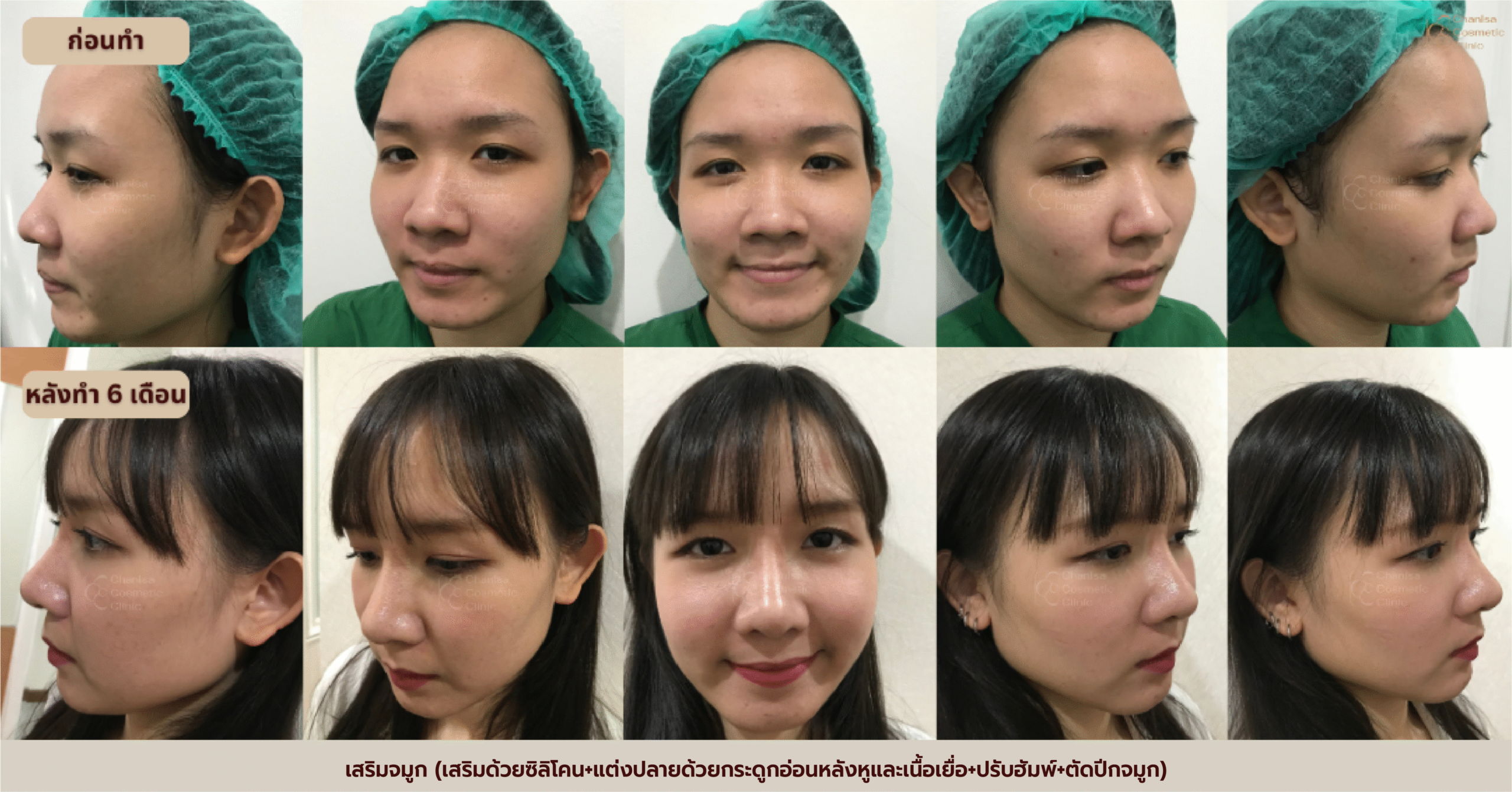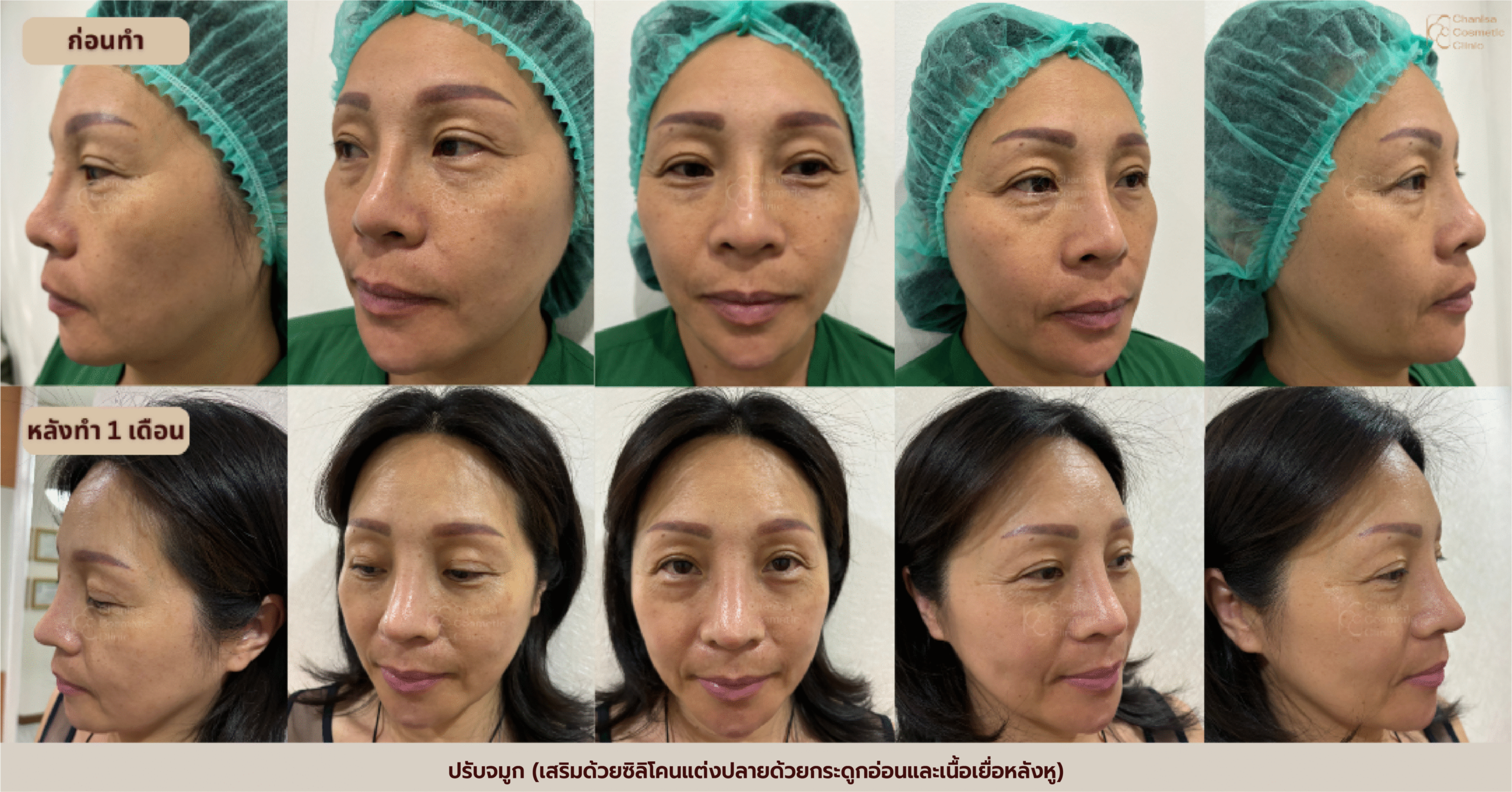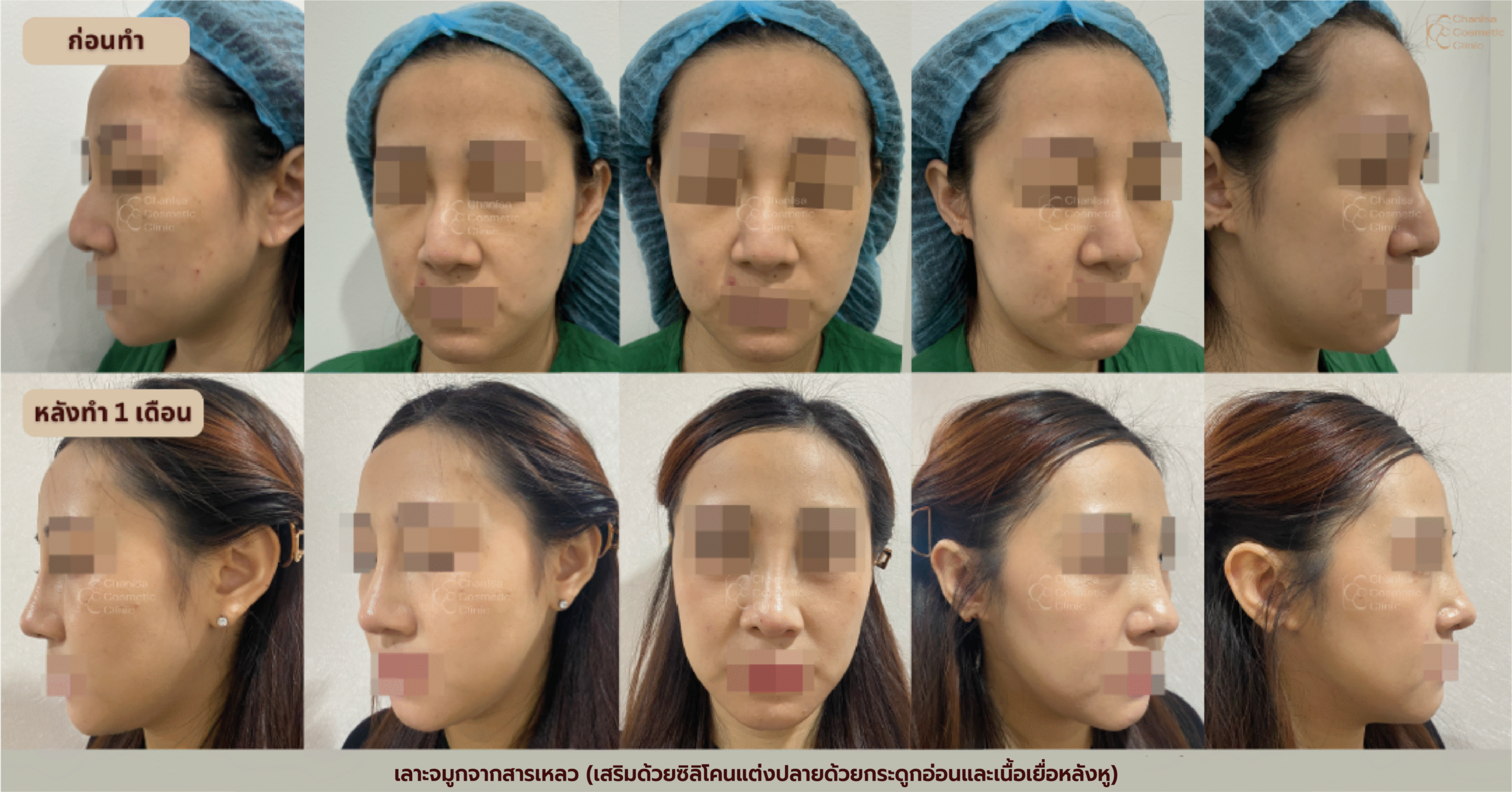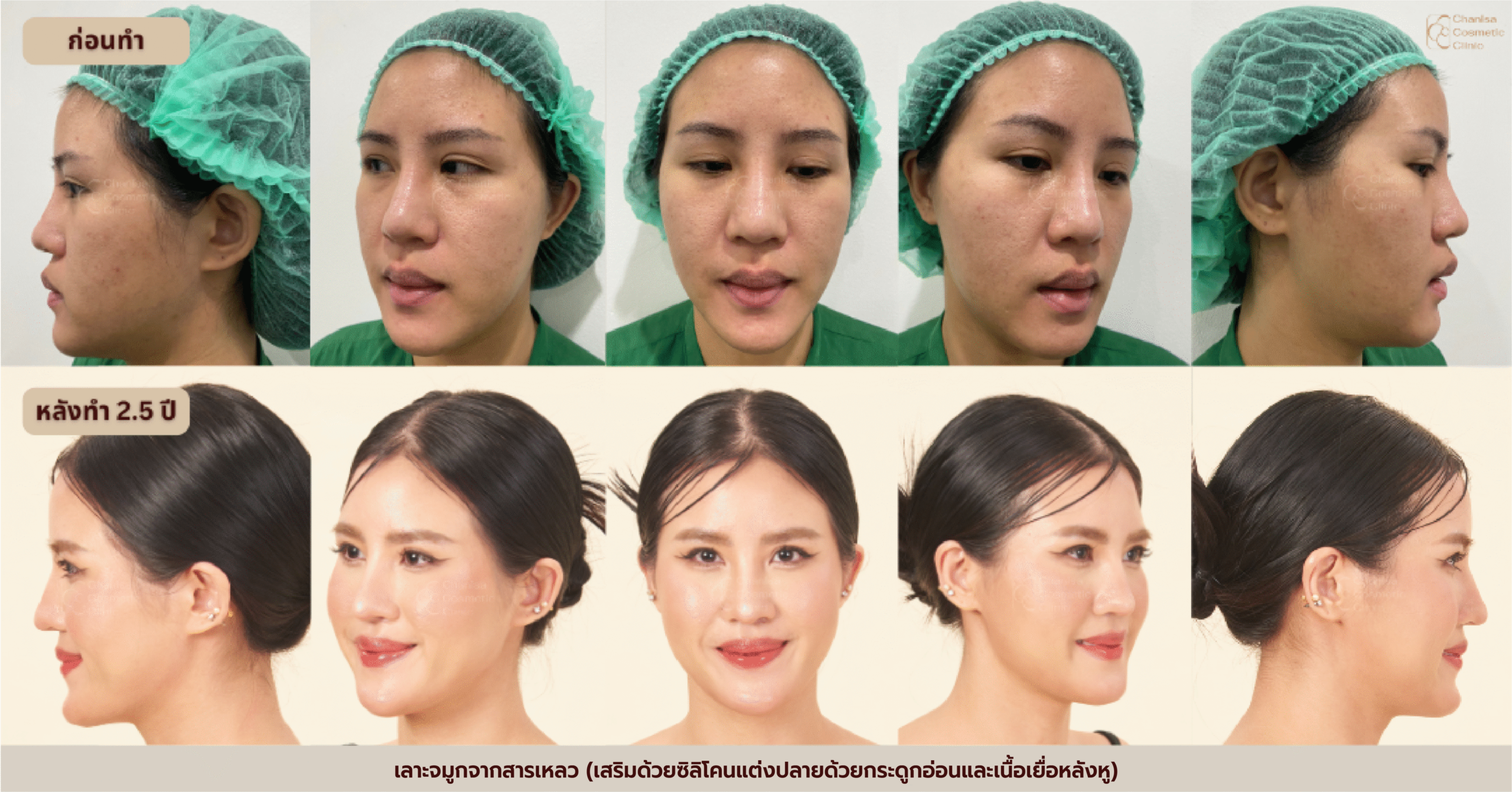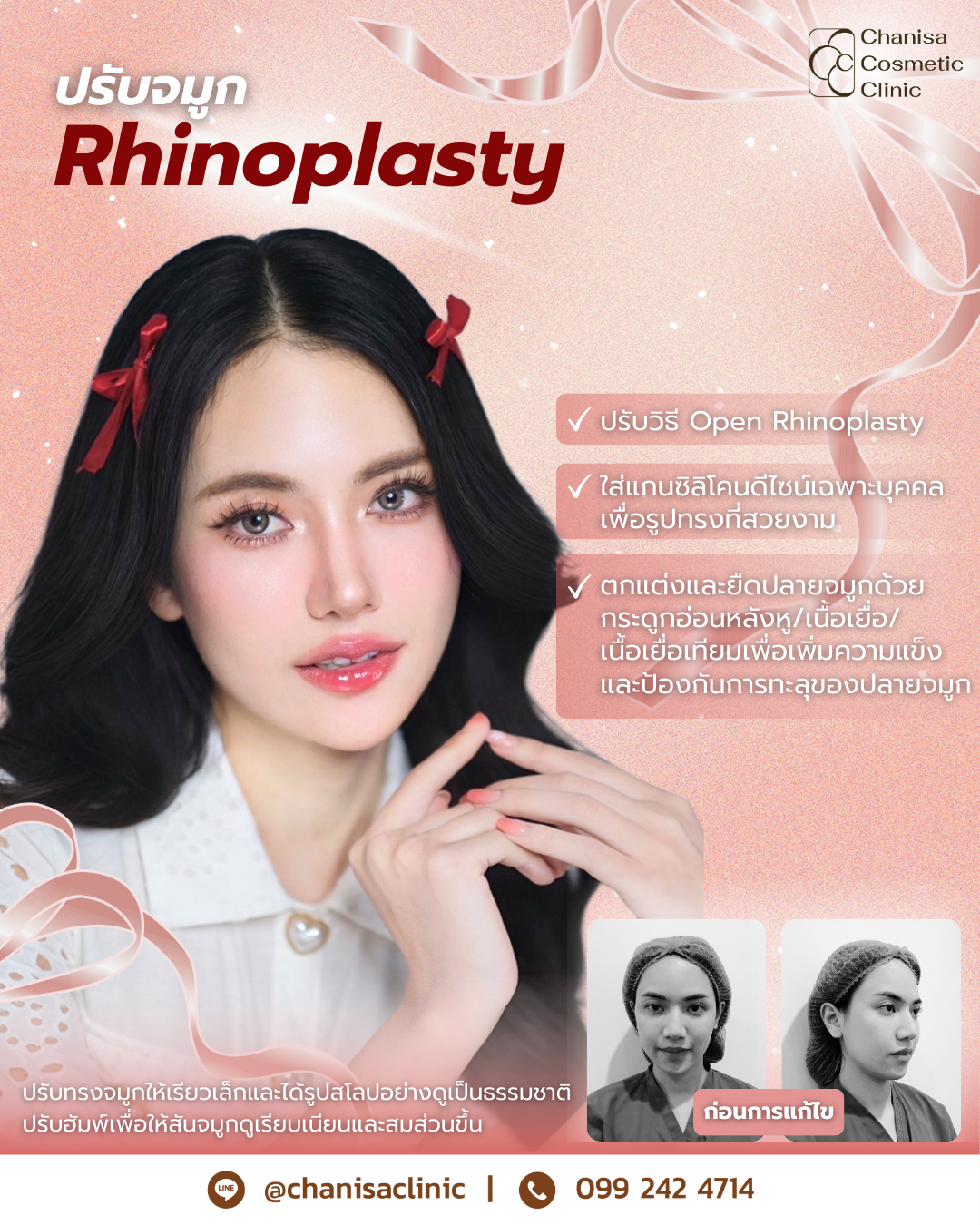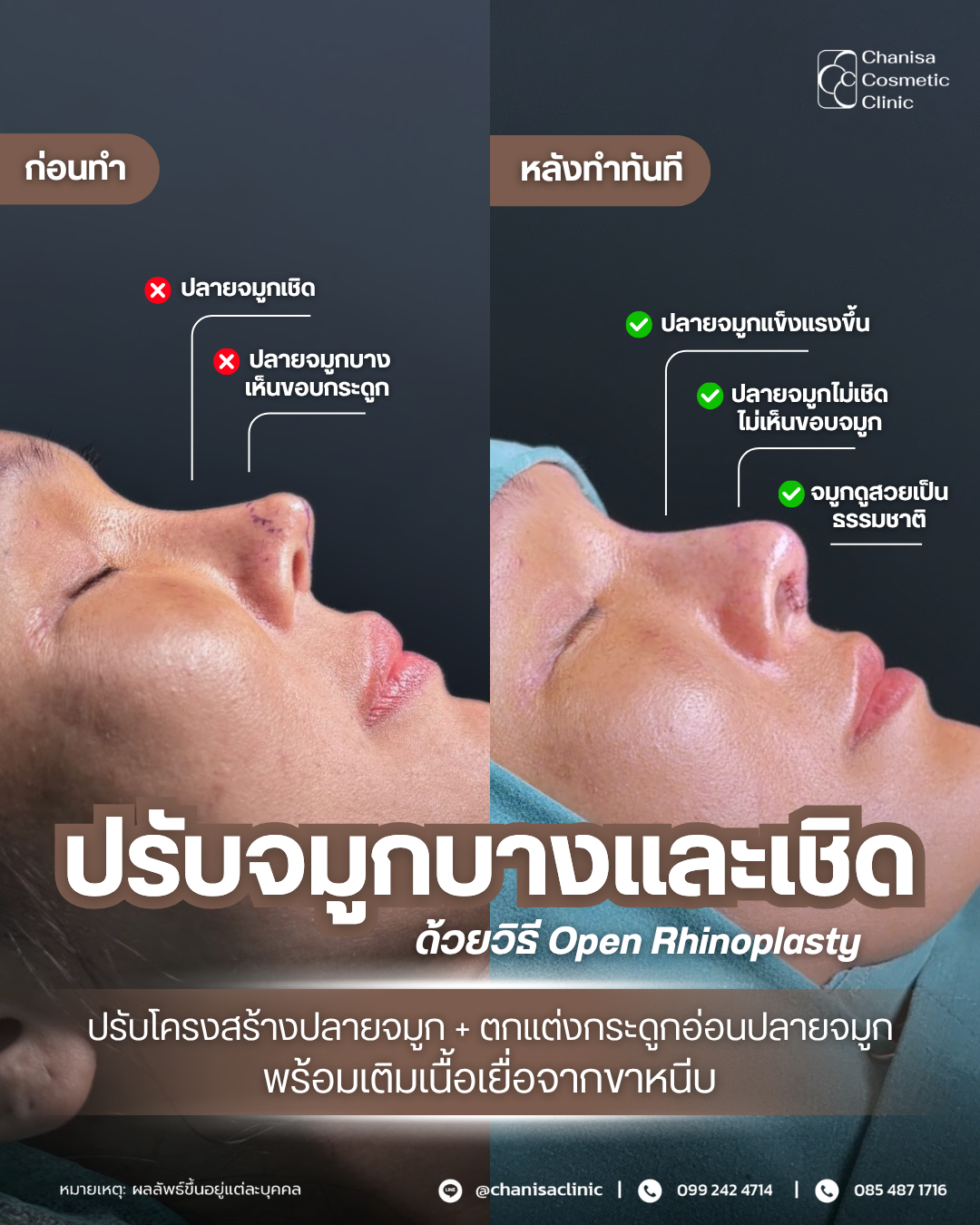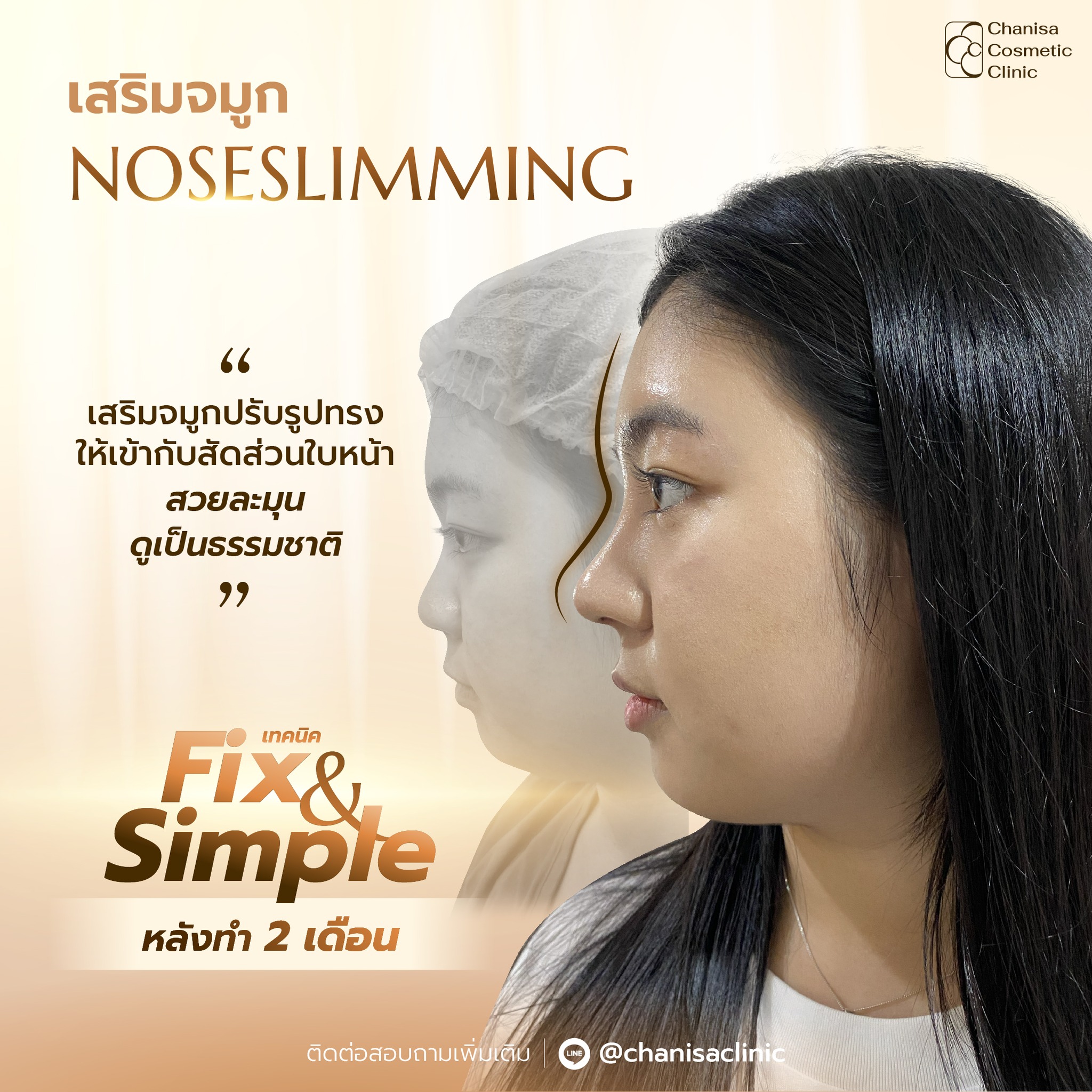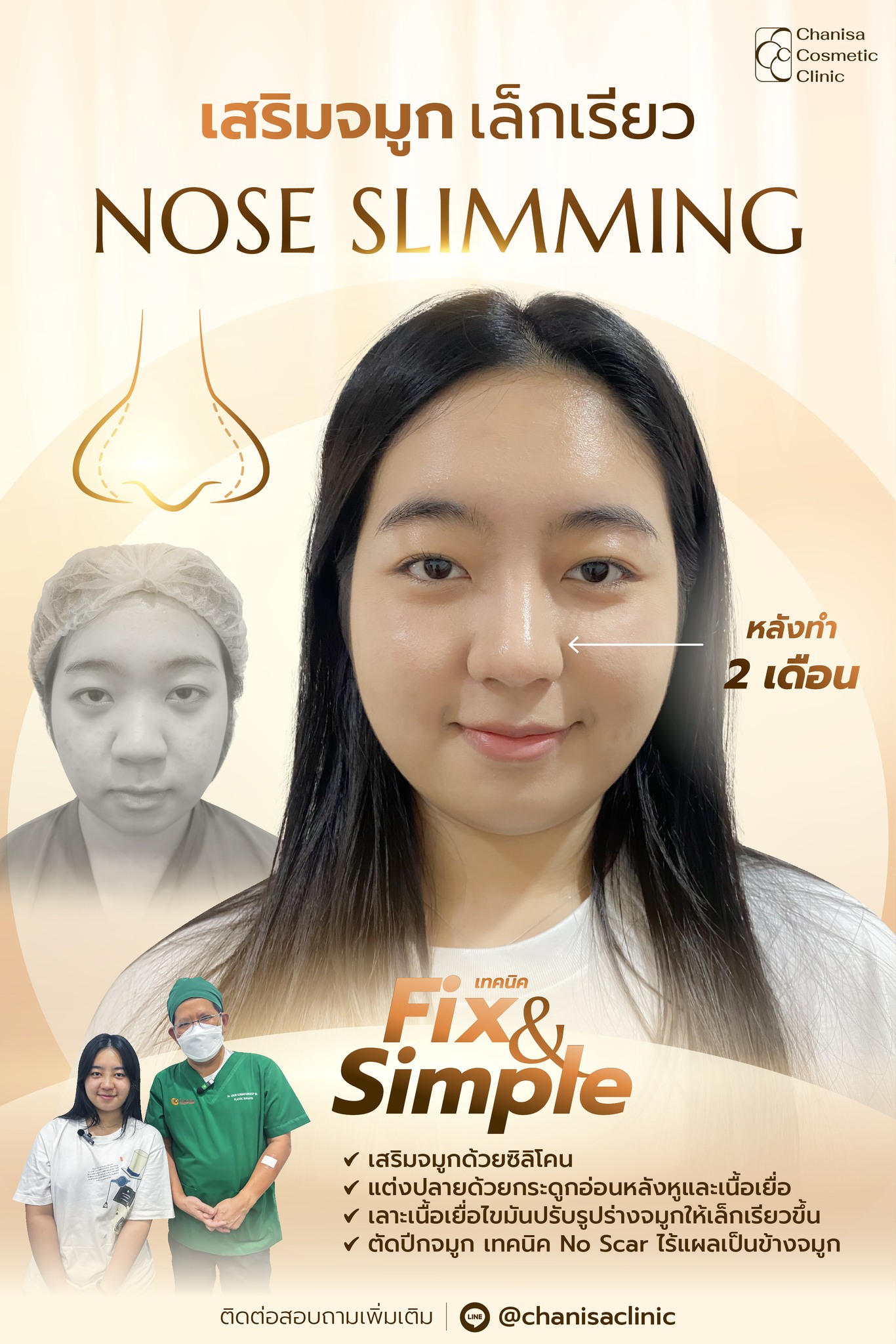
Rhinoplasty

Nasal surgery
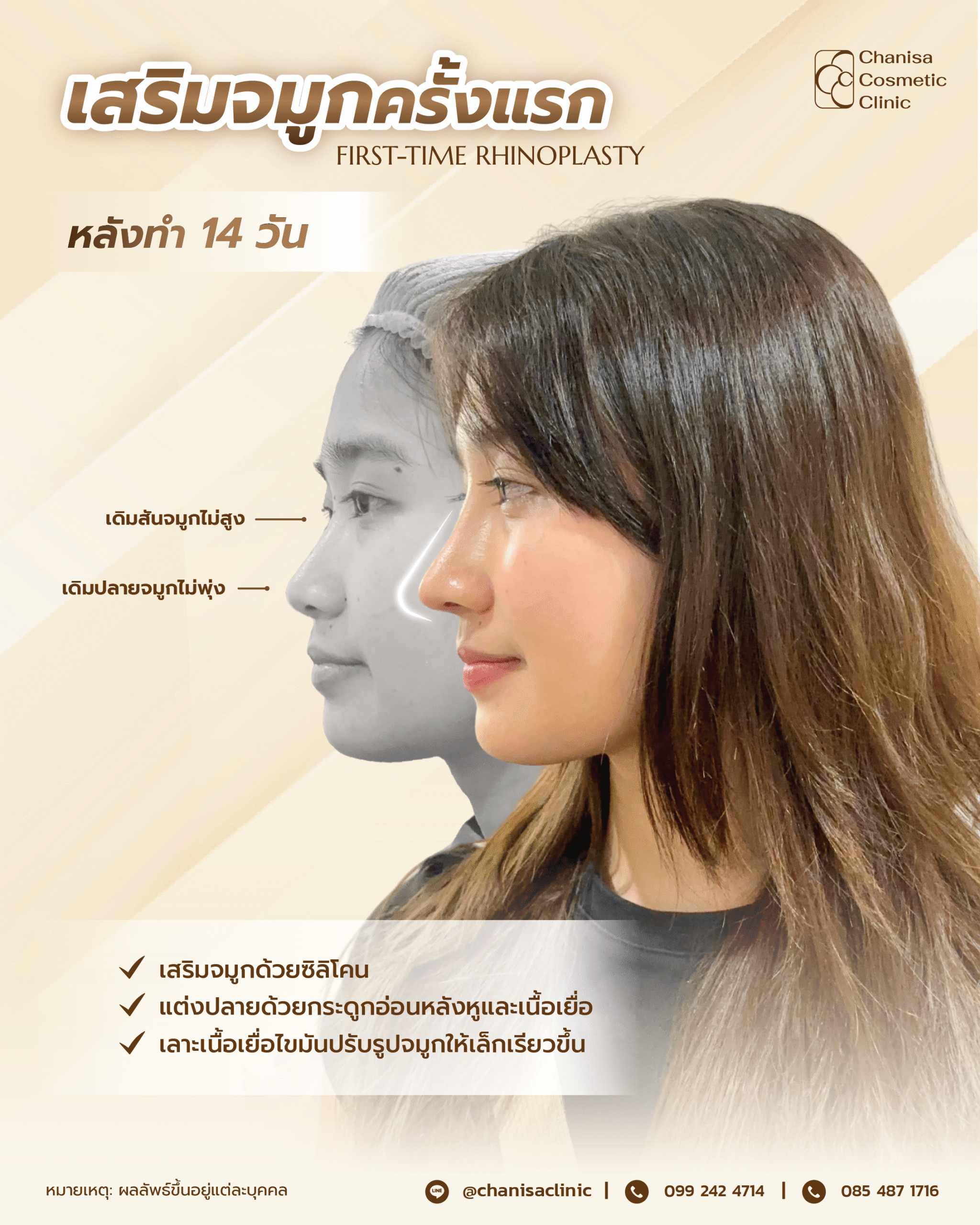
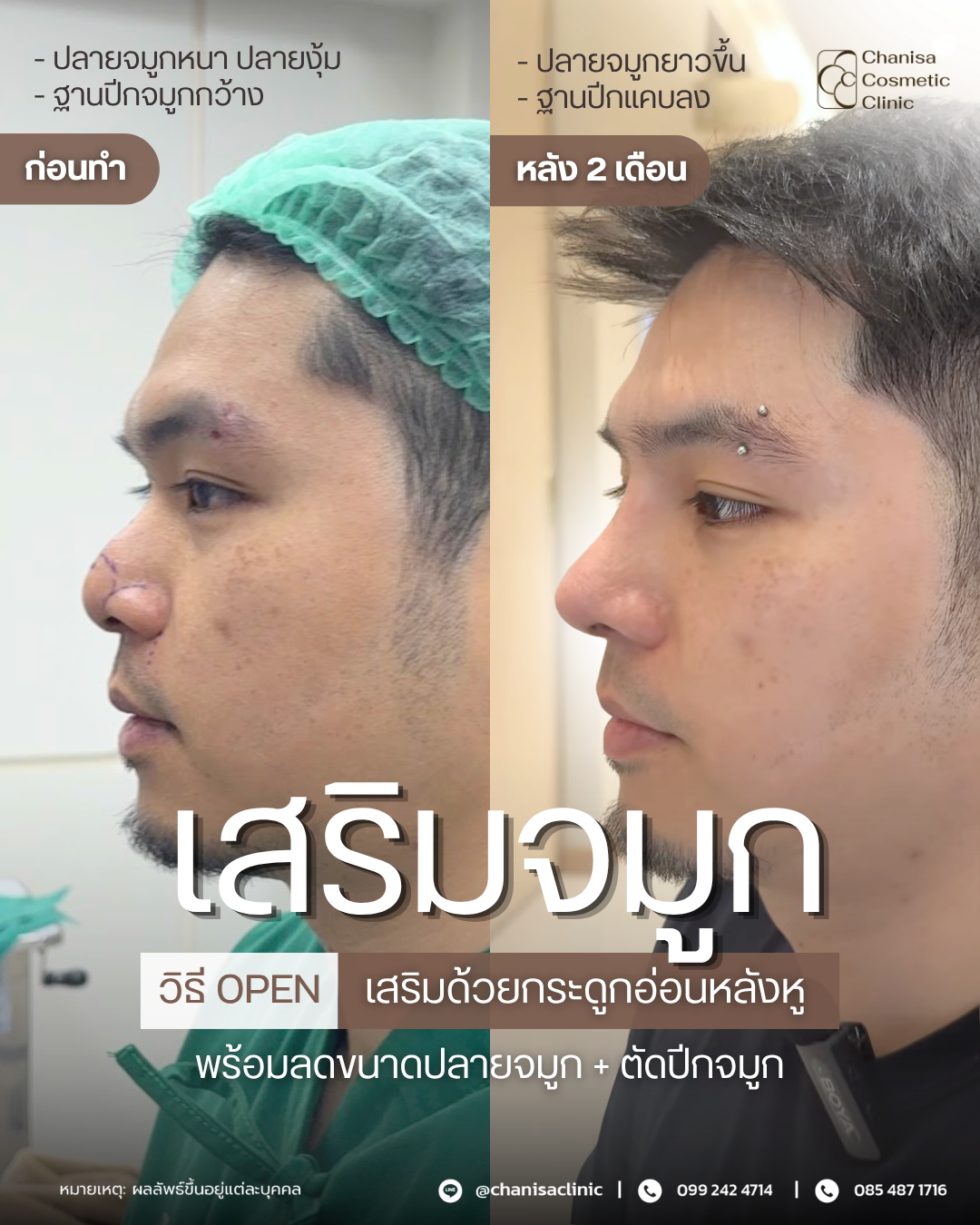
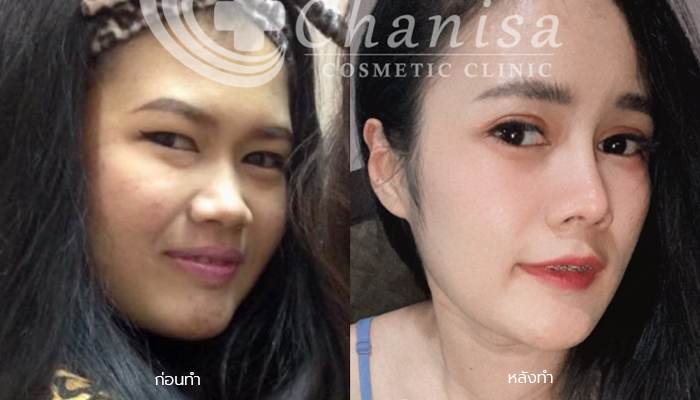
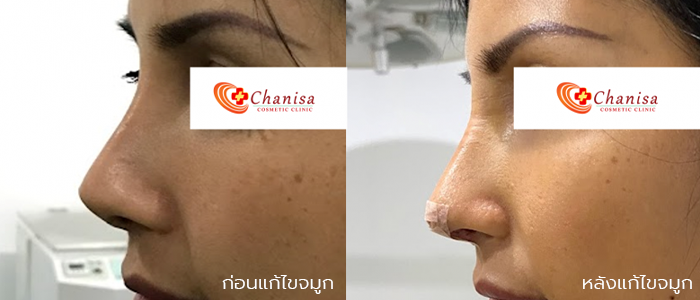
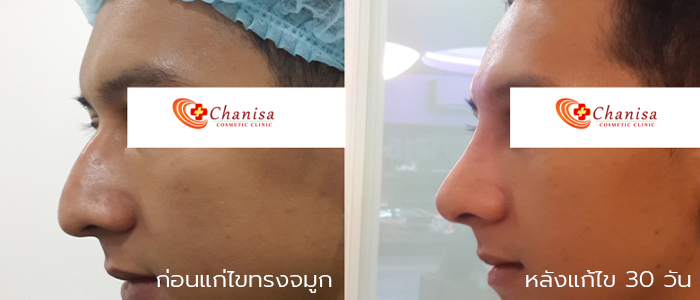
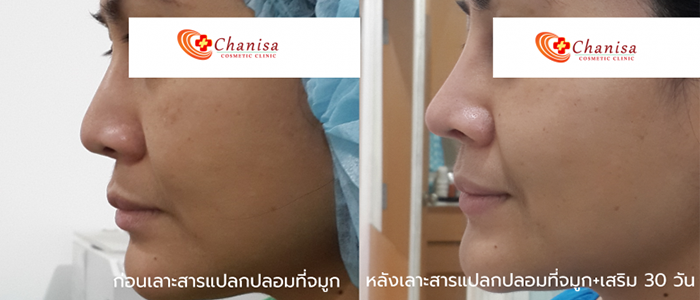
Medically, nasal surgery can be performed for health or cosmetic reasons. The term includes all procedures, from adjusting the size and shape of the nose to making the two sides symmetrical.Nasal surgery for health reasons For example, it may be performed on patients whose noses have been disfigured in accidents, such as car accidents; to straighten a deviated nasal septum; or to adjust the position of the nasal passages to help people with breathing difficulties breathe more easily.Cosmetic nasal surgery is considered the most common cosmetic surgery procedure in Thailand. It reshapes the nose to make it more attractive, higher, and more harmonious with the face. A nose that is proportionate to the face can make its features more prominent and can also change how other facial features stand out. Therefore, before deciding to undergo rhinoplasty, learn about the procedure and consult a plastic surgeon about which approach would suit you and look natural.

There are two methods of rhinoplasty


Rhinoplasty methods
1. Silicone rhinoplasty
Silicone is a medical-grade material shaped for use in rhinoplasty. It is the most widely used and effective method because silicone implants can remain in the human body without causing harmful reactions. The body can form fibrous tissue around the implant, helping it stay securely in place. One advantage of silicone is that, if you want to change or remove it, the implant can be taken out completely.
Silicone implants used for rhinoplasty are divided into two types:
- Prefabricated silicone implants : These implants are pre-shaped at the factory and come in different widths and lengths. Before rhinoplasty, the doctor may make minor adjustments to the shape to suit each patient’s nasal structure. They offer a predictable shape, with a very low chance of deviation, and are available in several levels of firmness and softness.
- Hand-carved silicone implants : These are cut and shaped from a larger sheet of silicone to suit each patient’s nose. The shape can be adjusted to control how much the nose is raised. The tip can also be shaped into a popular teardrop style, but this requires considerable skill on the part of the plastic surgeon.
Silicone materials currently used
- American silicone implants (USA Silicone) are a special-grade silicone with high safety standards and good quality (Medical Grade Silicone), with a purity of 100% The silicone is white, very smooth, and moderately soft to the touch—not too soft. It can be carved into the desired shape and is highly flexible. It is also unlikely to collapse after implantation, resulting in a high, beautifully smooth nose. It is suitable for people with substantial tissue over the bridge or a long nose, and is therefore the most popular choice.
- Korean silicone implants (Korea Silicone) are special-grade prefabricated implants. The bridge and tip are very soft and highly flexible. Because this type of silicone is so soft, the nose can be bent or twisted easily, giving it a natural appearance. The source claims it will not extrude or deviate. After surgery, the nose looks very natural in a Korean style, without an especially high bridge, making it suitable for people who want a natural-looking result.
- Japanese silicone implants (Japan Silicone) are standard-grade silicone. Some raw materials are imported from Japan, then manufactured in Thailand. The silicone is yellowish and fairly firm. After augmentation, it creates a prominent bridge, but it cannot be bent or twisted.
2. Rhinoplasty with Gore-Tex
Also known as PTFE (polytetrafluoroethylene), this is a synthetic material that has been proven safe. Gore-Tex is a porous, sponge-like type of PTFE. It has been known and accepted as a material for artificial blood vessels for more than 50 years. Gore-Tex sheets are also widely used in facial plastic surgery, including rhinoplasty, lip augmentation, and nasolabial fold correction. Gore-Tex has many tiny pores measuring 10–30 microns, which distinguish it from silicone: it does not form a constricting capsule. Surrounding body tissue can grow through these small pores, giving the nose a natural shape that makes it difficult to tell that surgery has been performed. Over time, however, these pores may compress, reducing the height of the nose. Thus, Gore-Tex and silicone have different drawbacks. Gore-Tex can be used together with ear cartilage to create a teardrop-shaped tip, when the doctor considers it suitable for the patient. Gore-Tex can also help restore the shape of the nose by being bent into shape, although inflammation can occur, but is uncommon. Gore-Tex is therefore used specifically for people with thin skin or in revision surgery.
Advantages of rhinoplasty with Gore-Tex
- Creates a beautifully shaped, natural-looking nose
- It is safe because it integrates with the tissue and is not rejected by the body
- The nose can be shaped more easily than with a silicone implant
- Gore-Tex is permanent and is not absorbed by the body
3. Nasal tip augmentation using ear cartilage
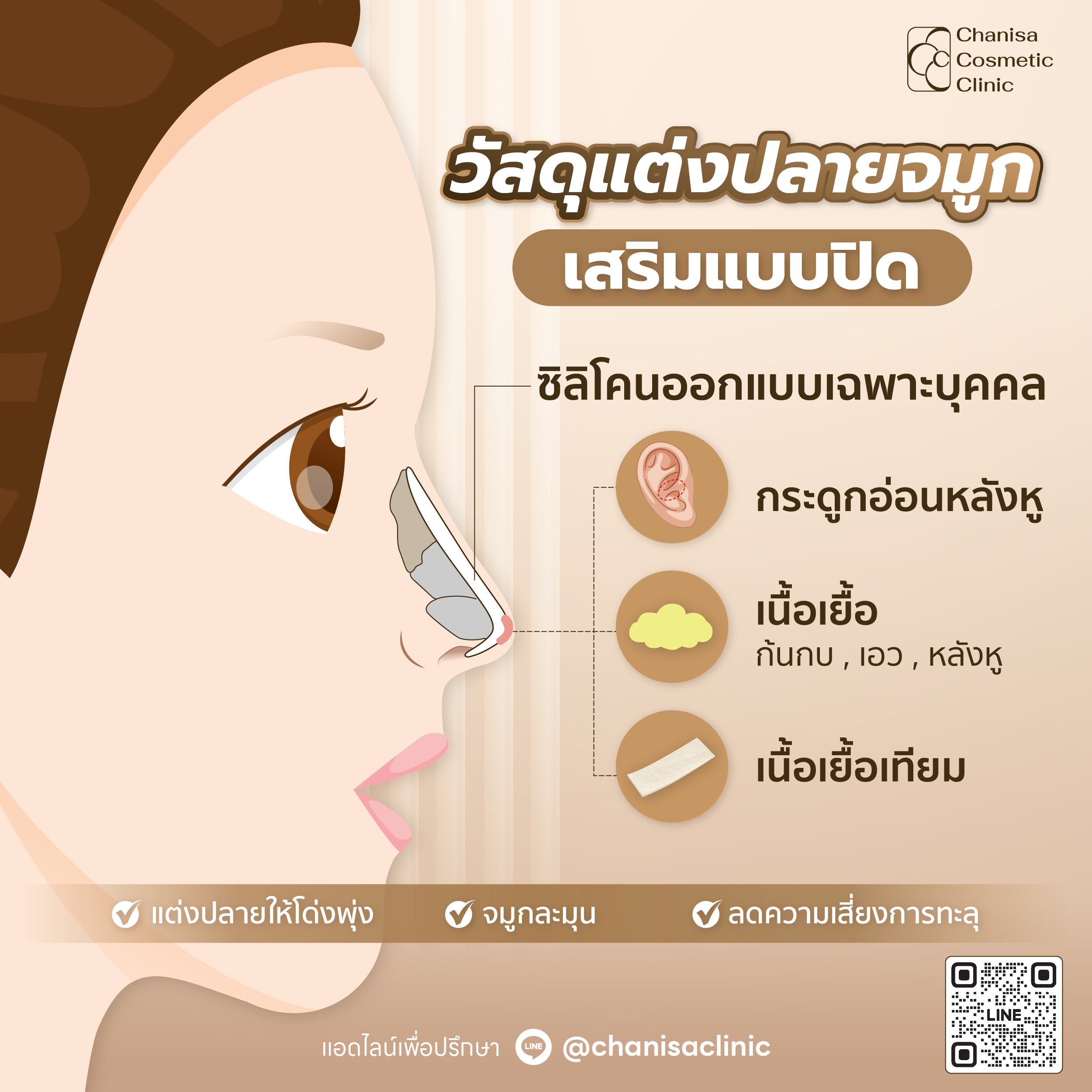
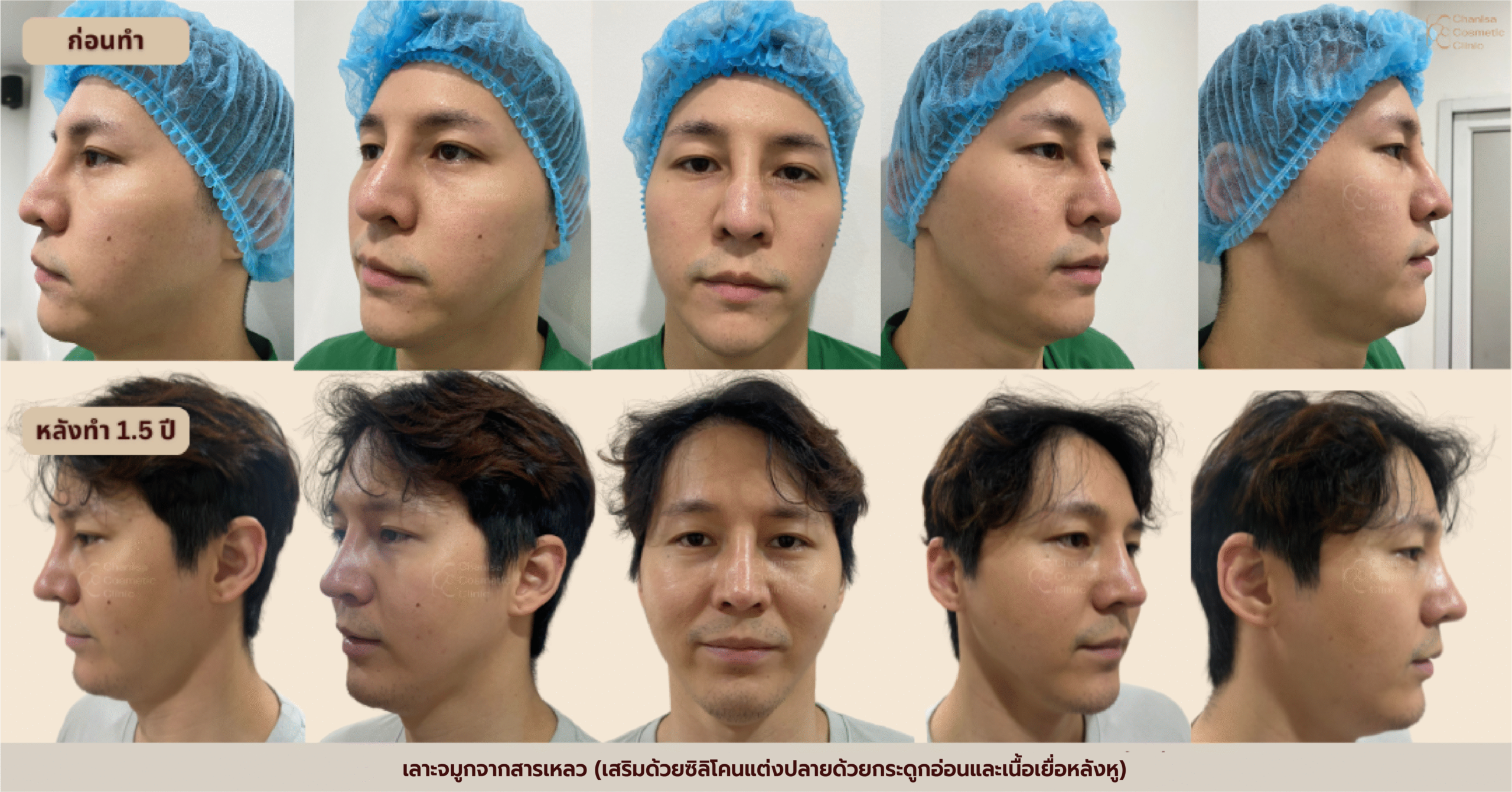
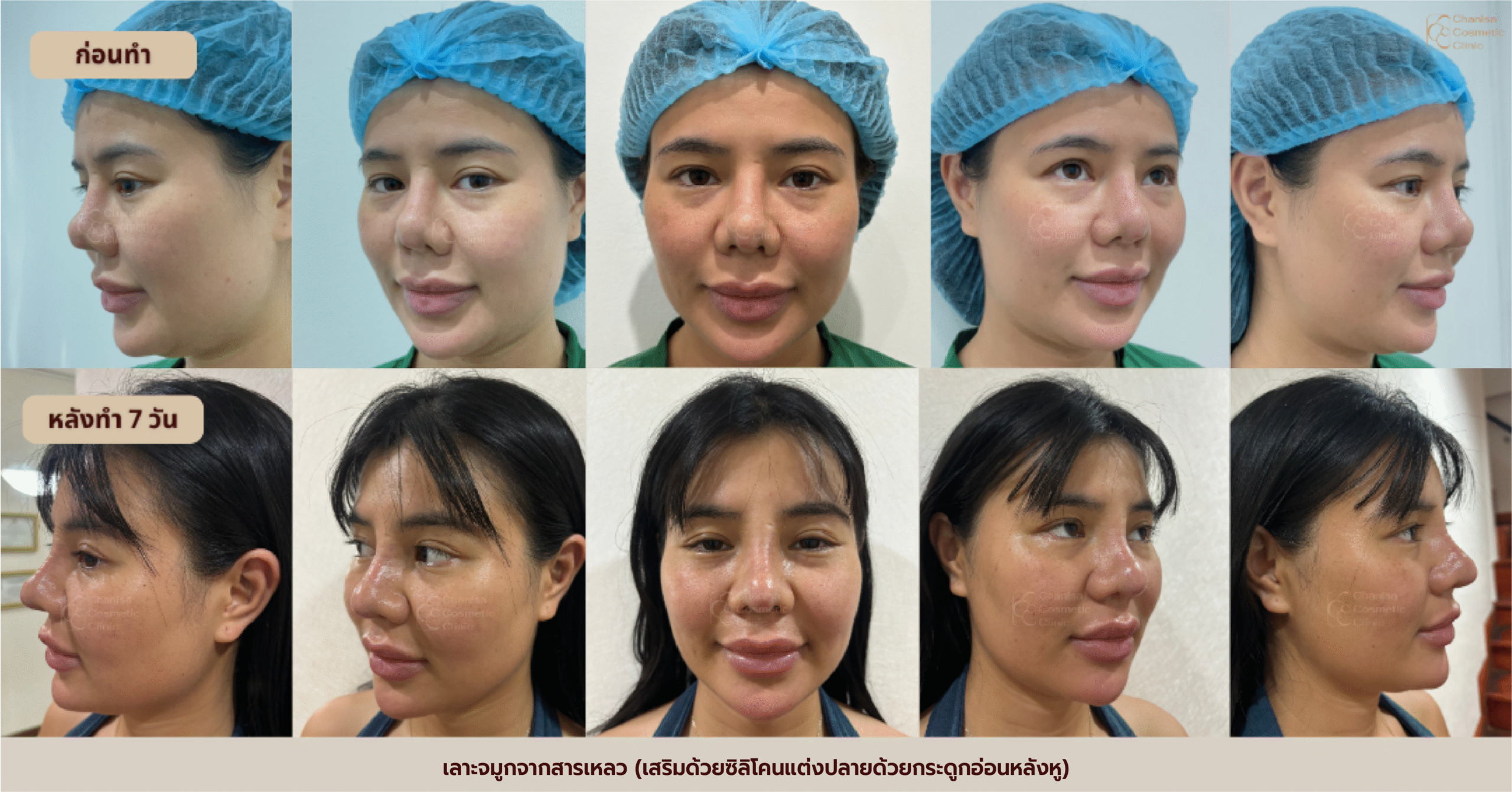
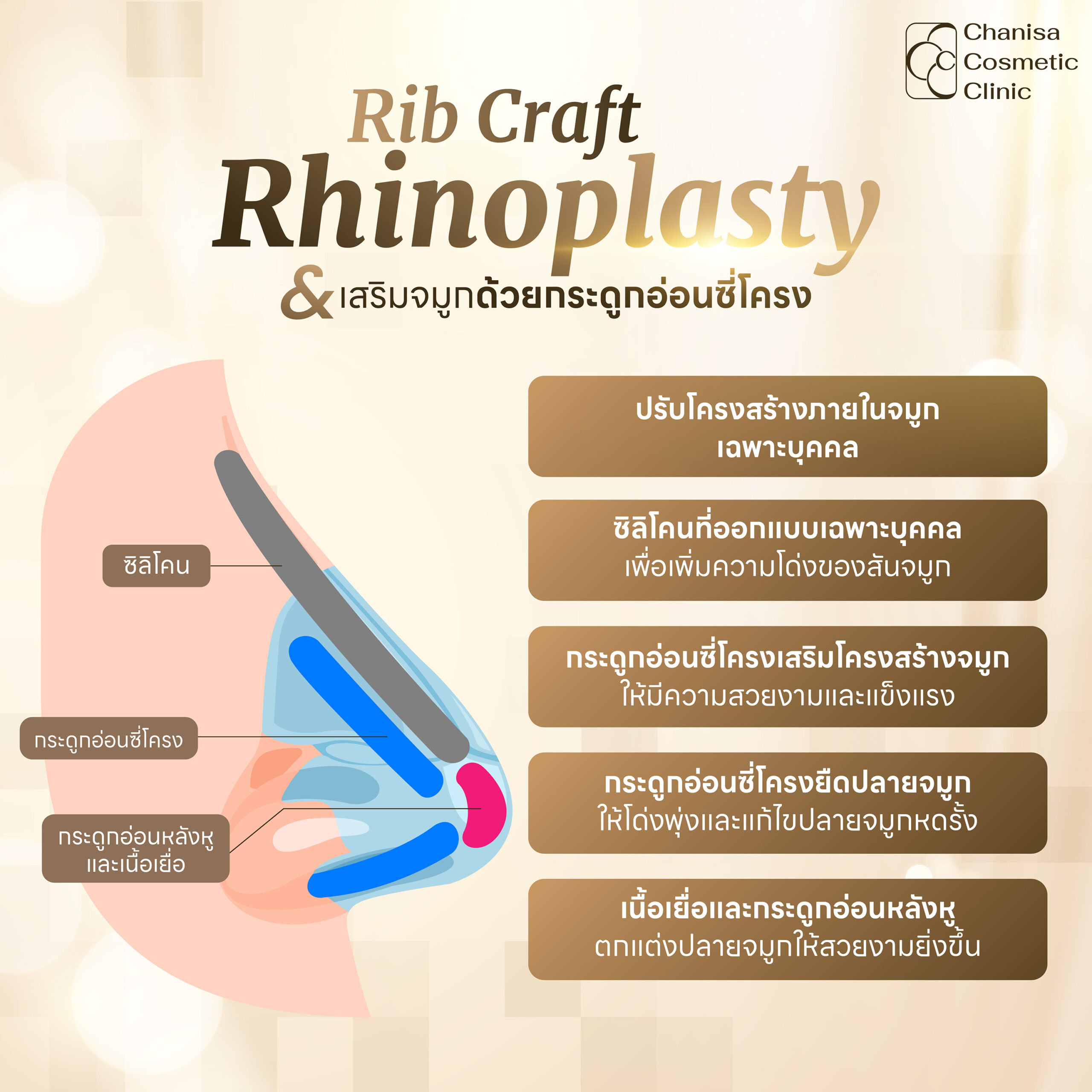
The patient’s own ear cartilage can be used to support the nasal tip when a teardrop-shaped tip is desired, or when a silicone implant has been placed so high that the skin at the tip has become thin. The cartilage is placed beneath the nasal tip, often together with Gore-Tex, to create a beautiful, natural-looking, rounded, teardrop shape.
4. Rhinoplasty using the patient's own fat
Wound care
- For the first 1–2 days, get plenty of rest, avoid exercise, and take care not to bump or injure the nose.
- Keep the wound dry for at least 5 days. After that, you may wash your face as usual.
- Sleep with your head elevated as usual.
- Apply an ice pack during the first 1–2 days (15 minutes at a time, with a 15-minute break between applications).
- Eat soft foods and avoid hard foods that require chewing.
- Do not pick at the wound or scabs, and do not blow your nose forcefully.
- If you experience any unusual symptoms, see a doctor.
- Do not apply Hirudoid or other medicines to the wound.
Surgical procedure