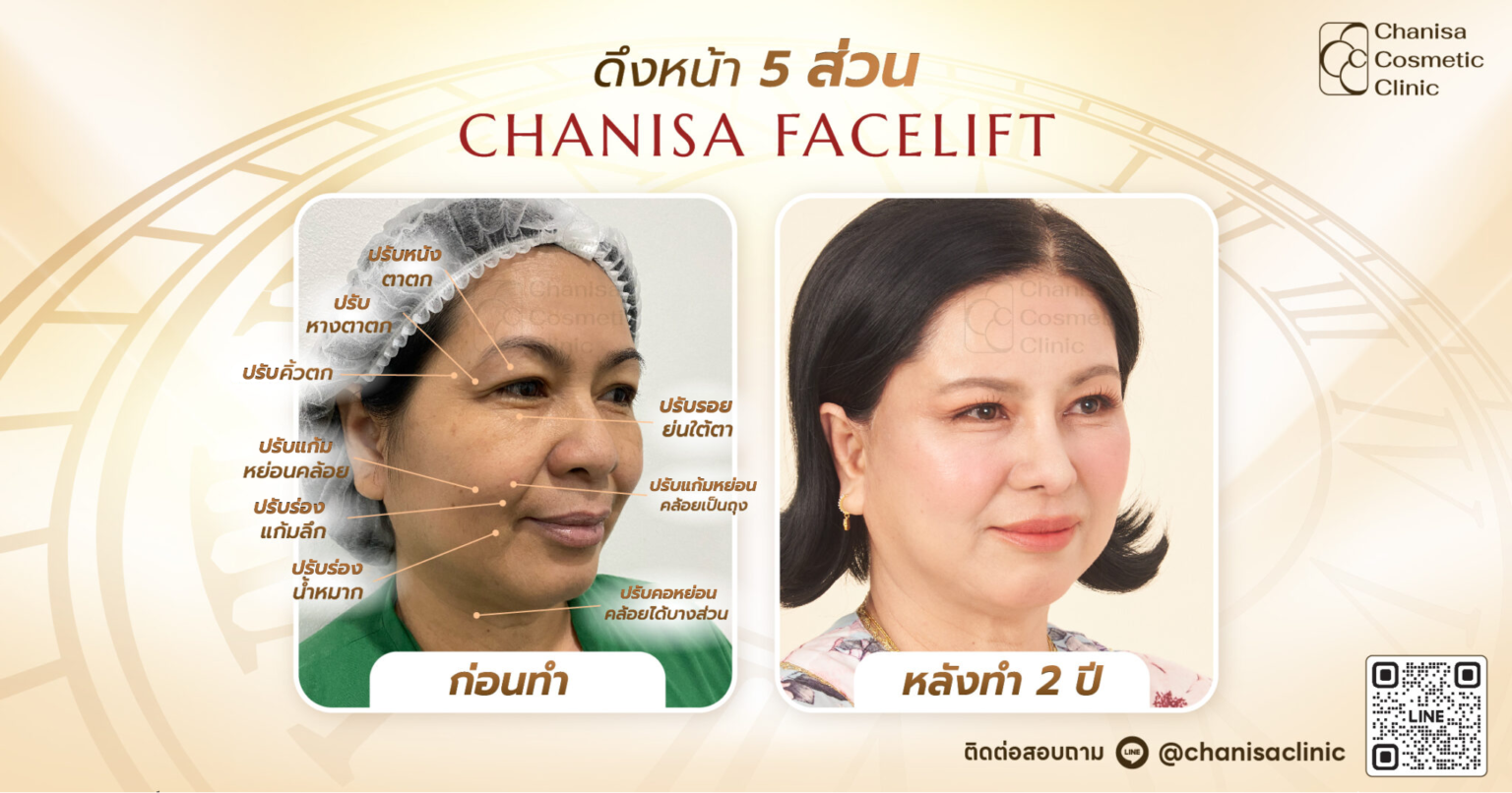
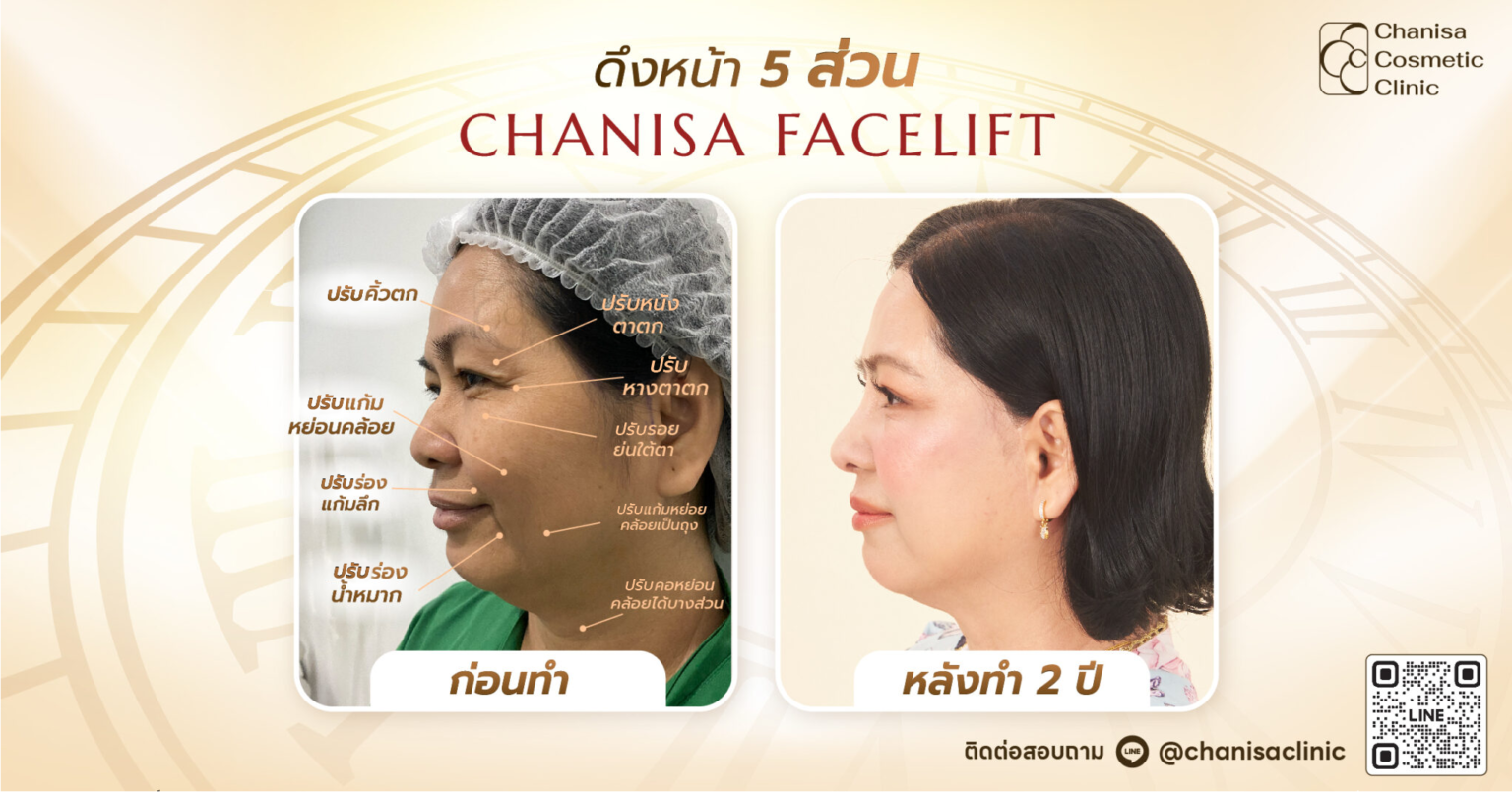
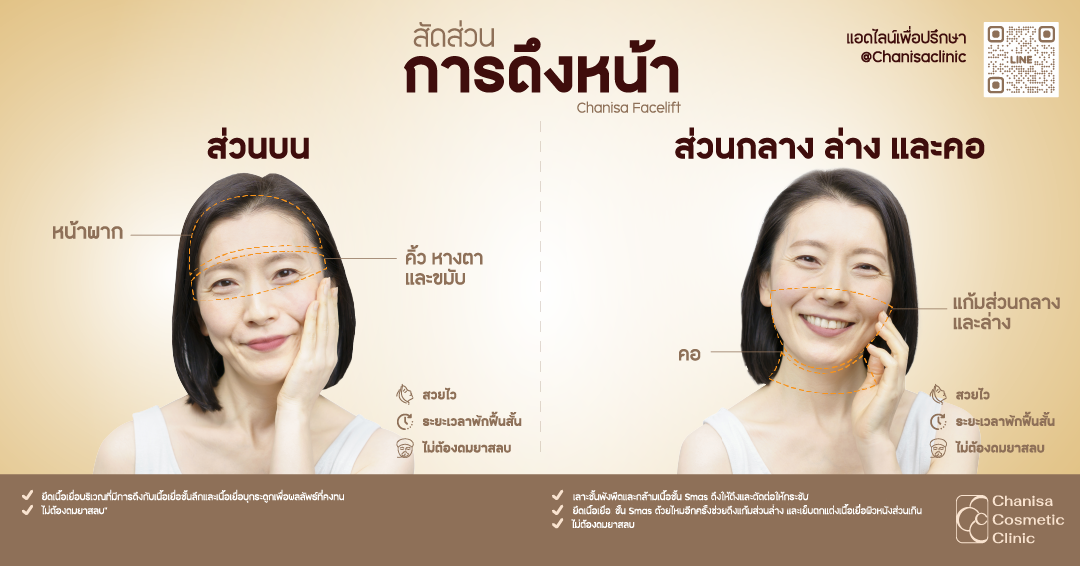
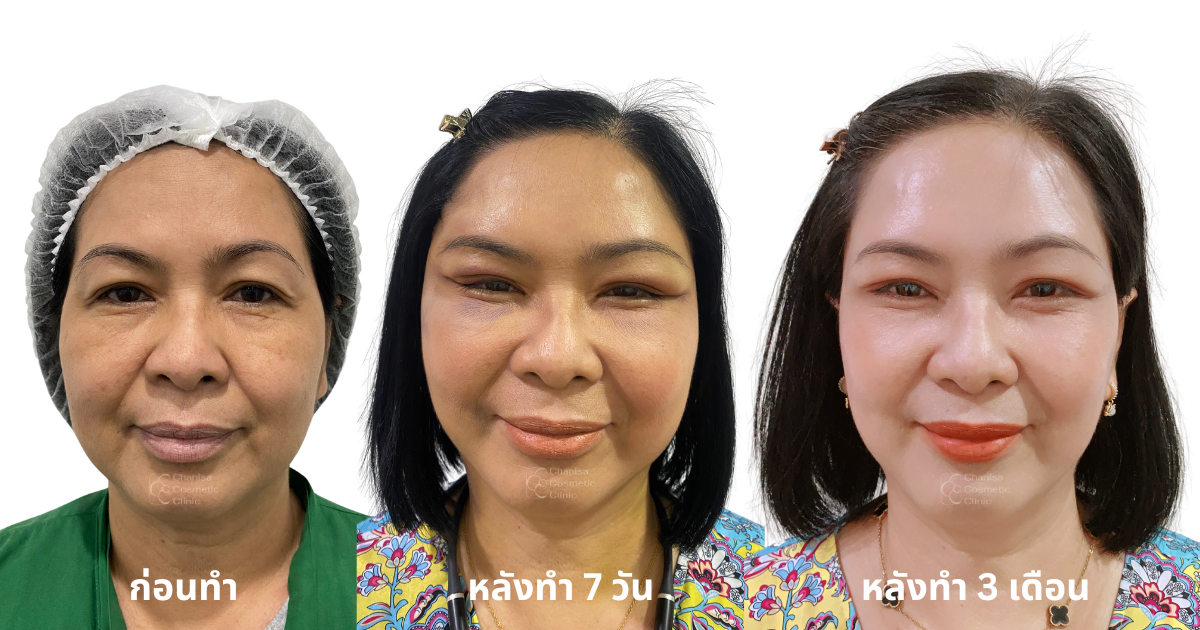
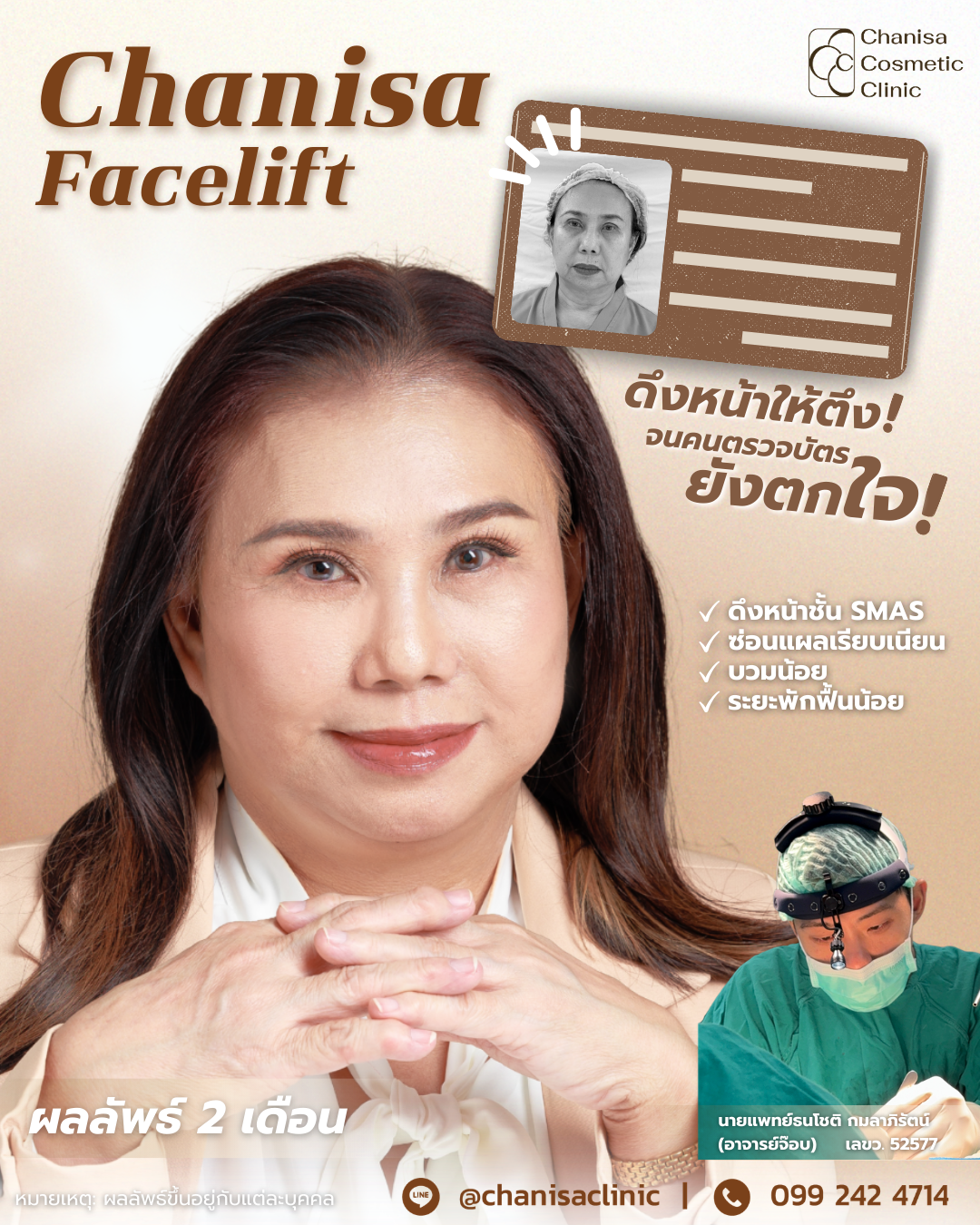
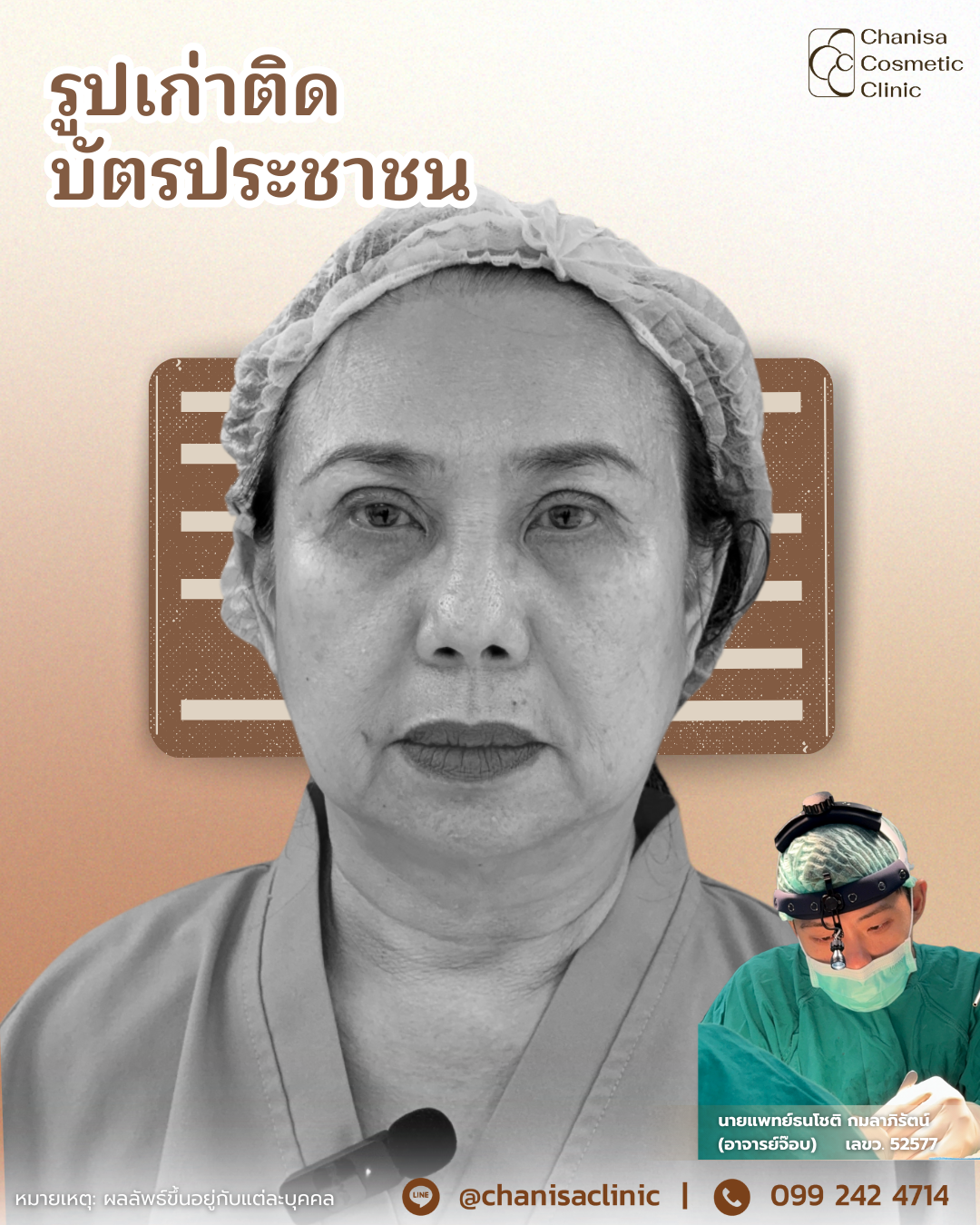
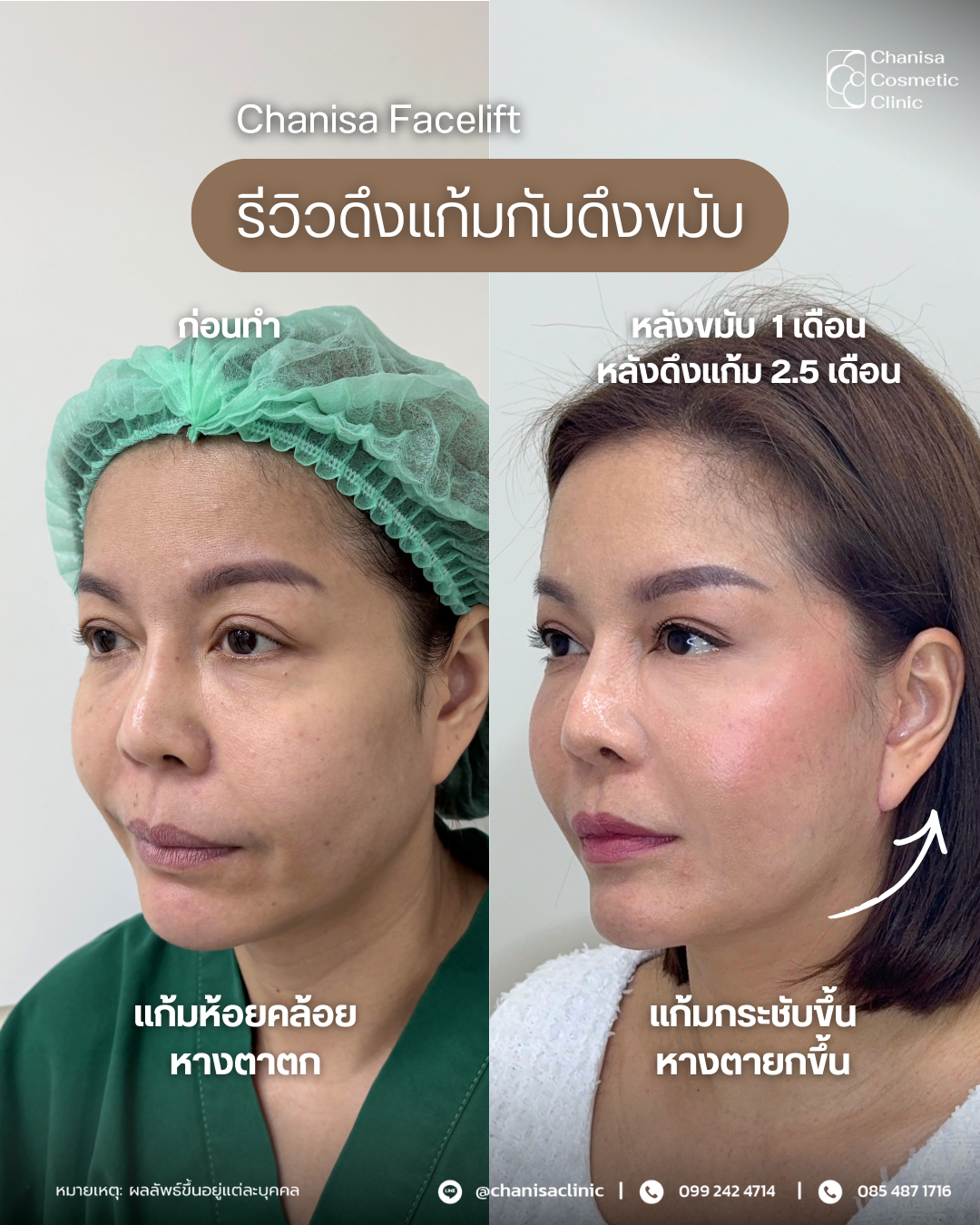
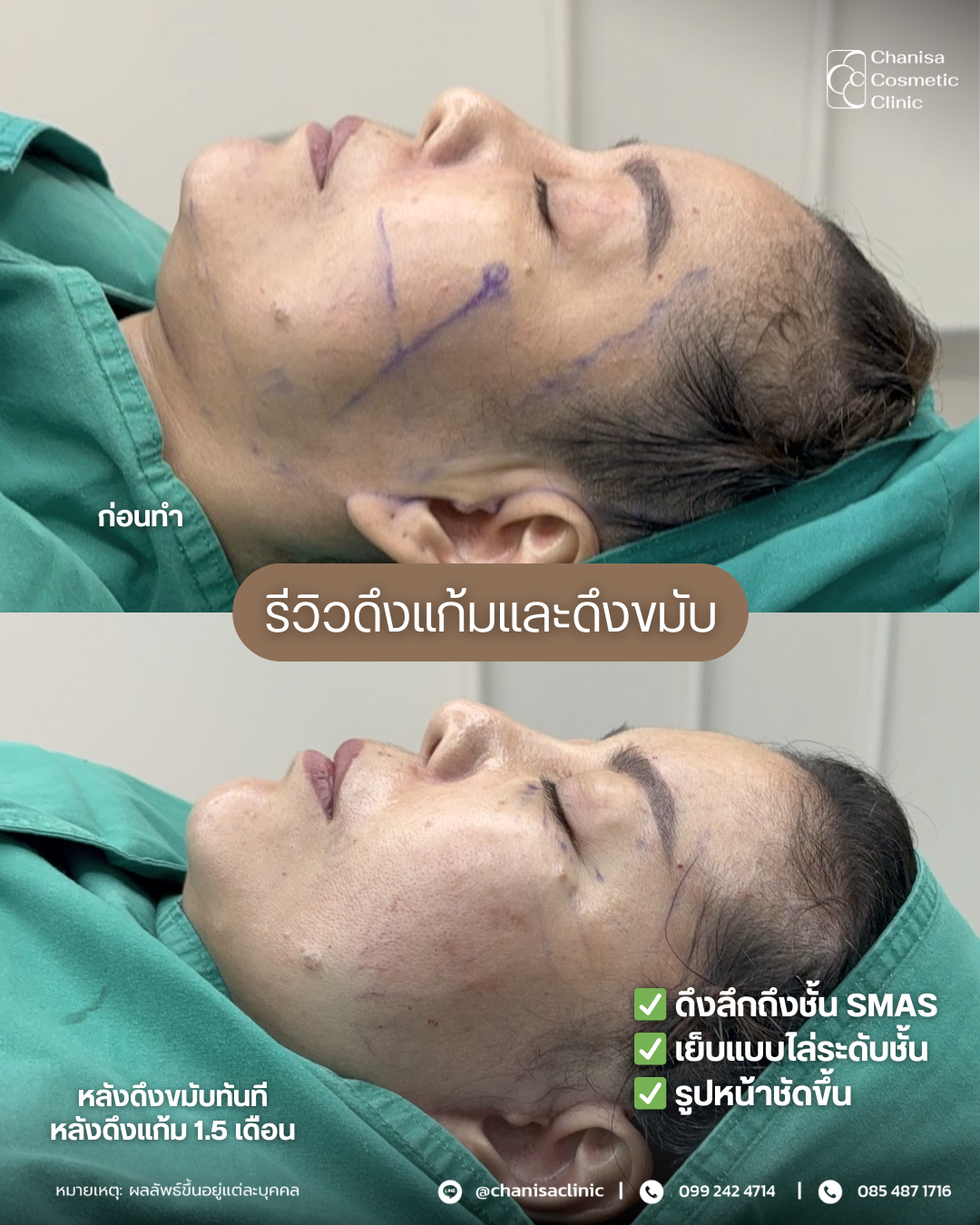
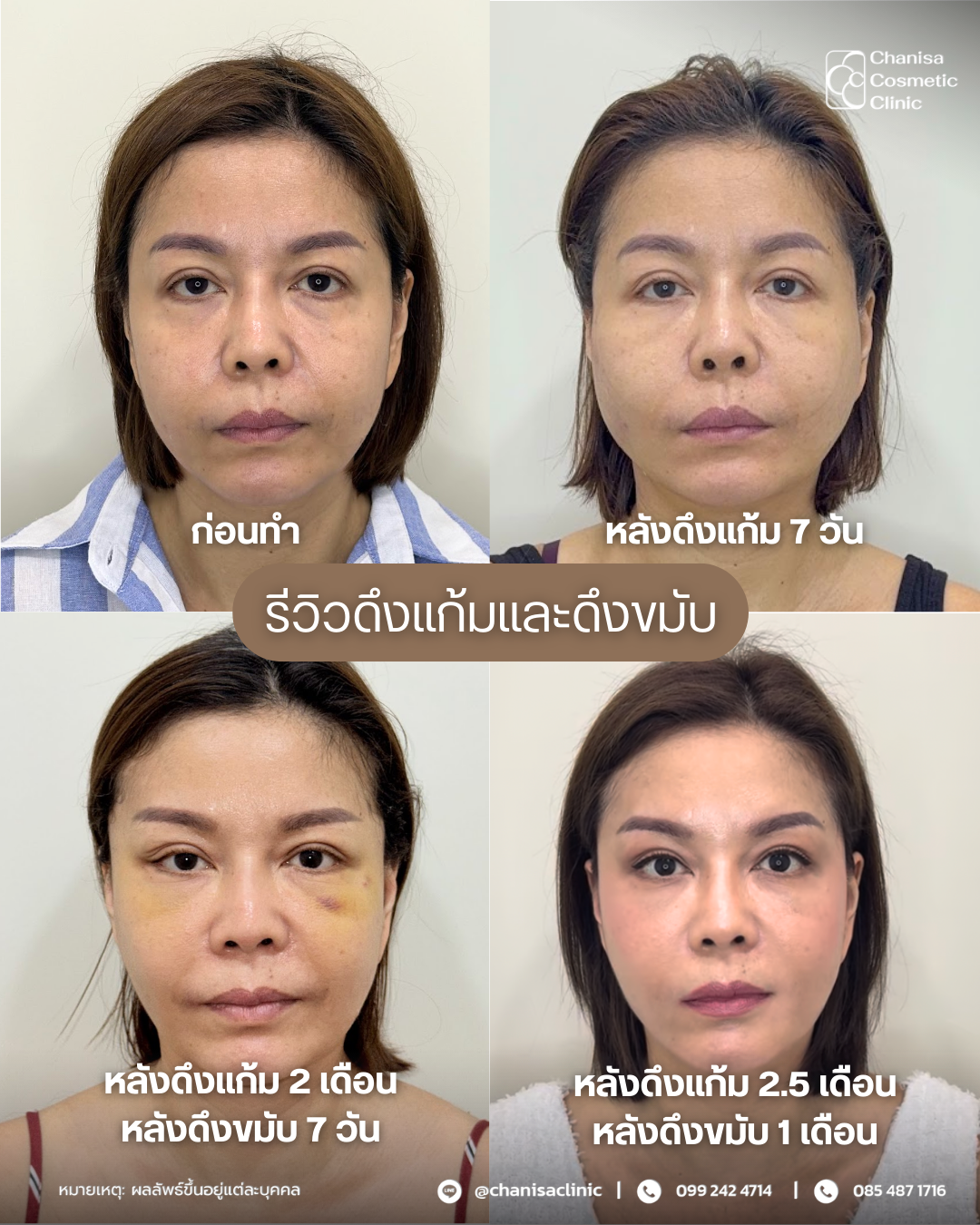
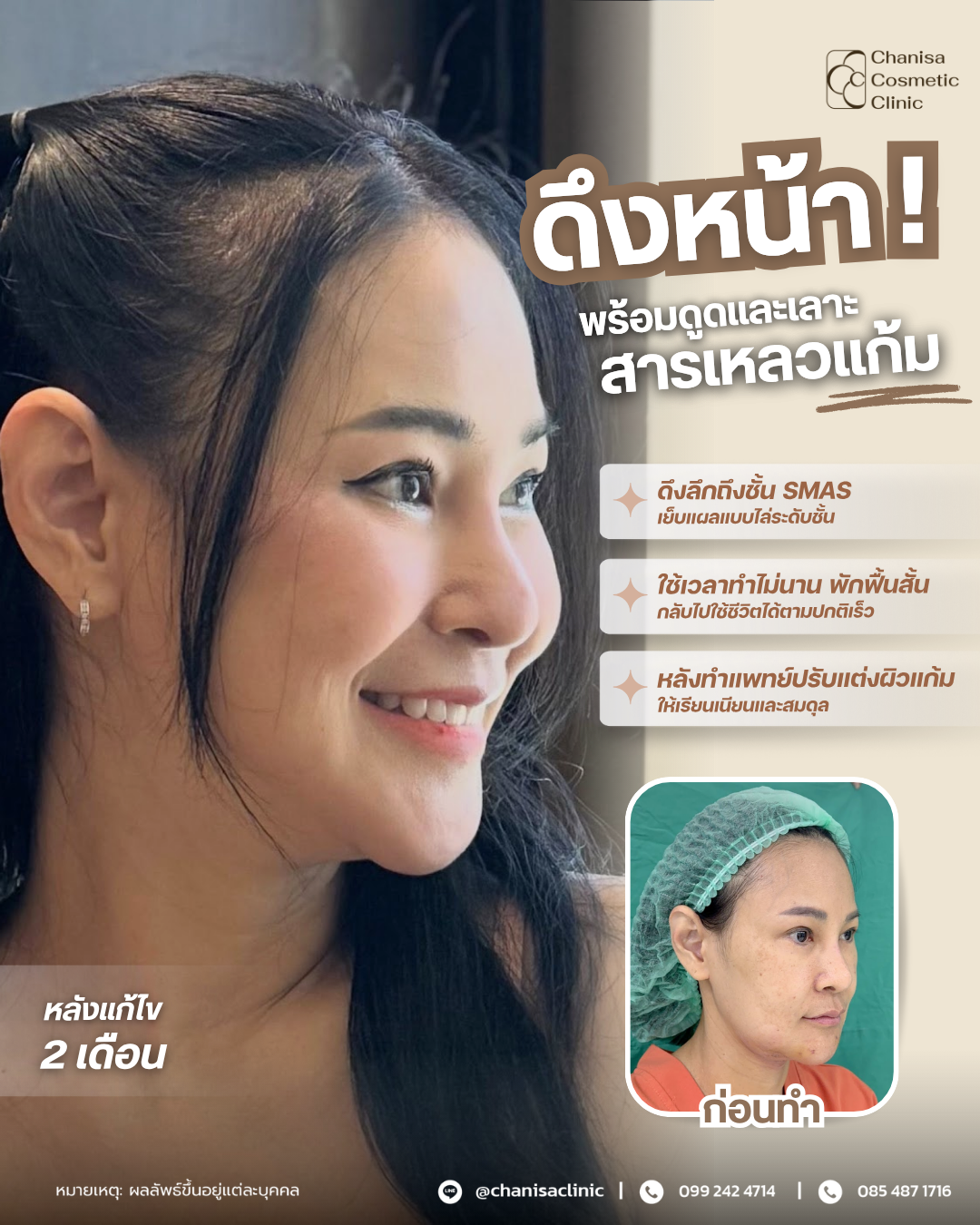
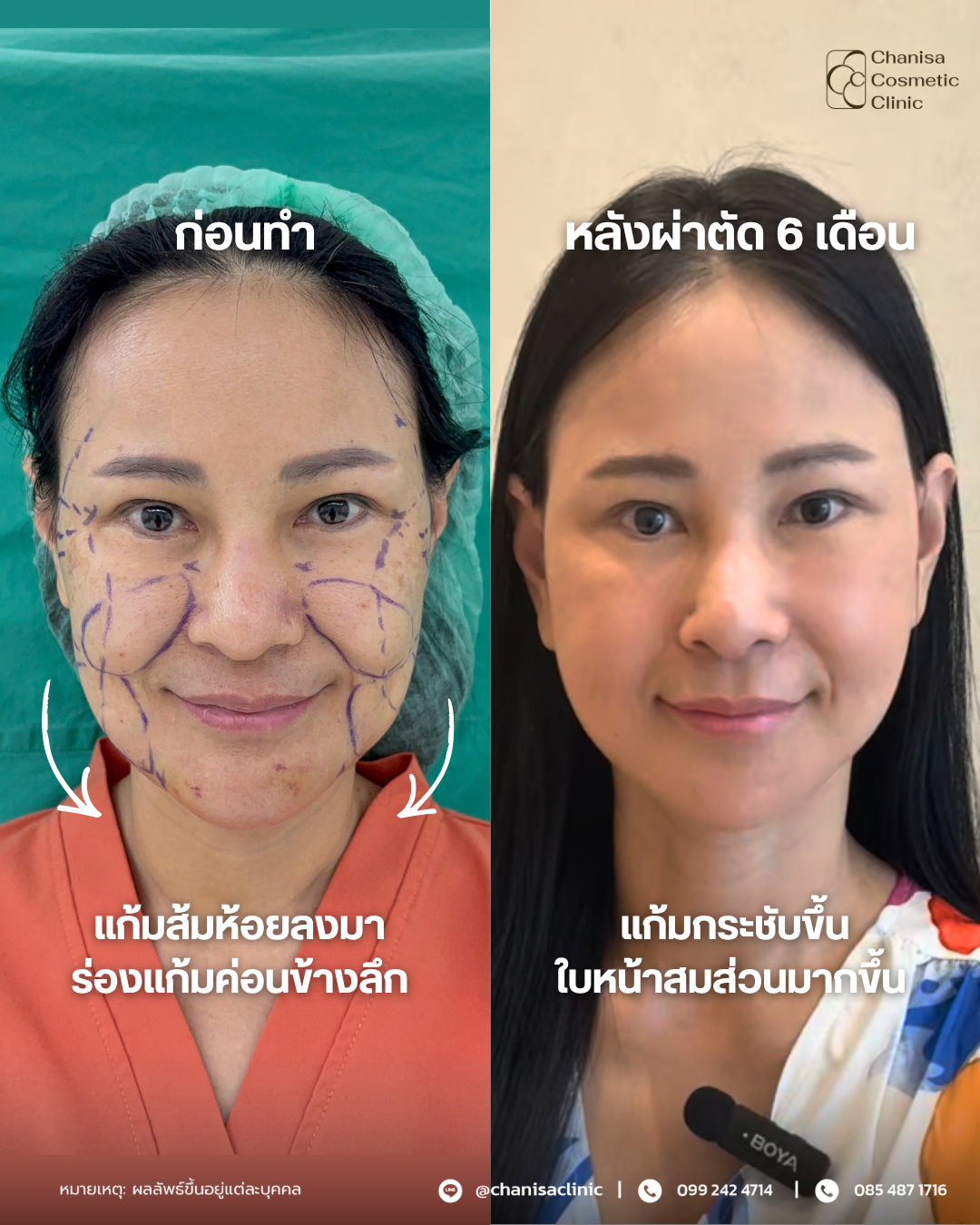
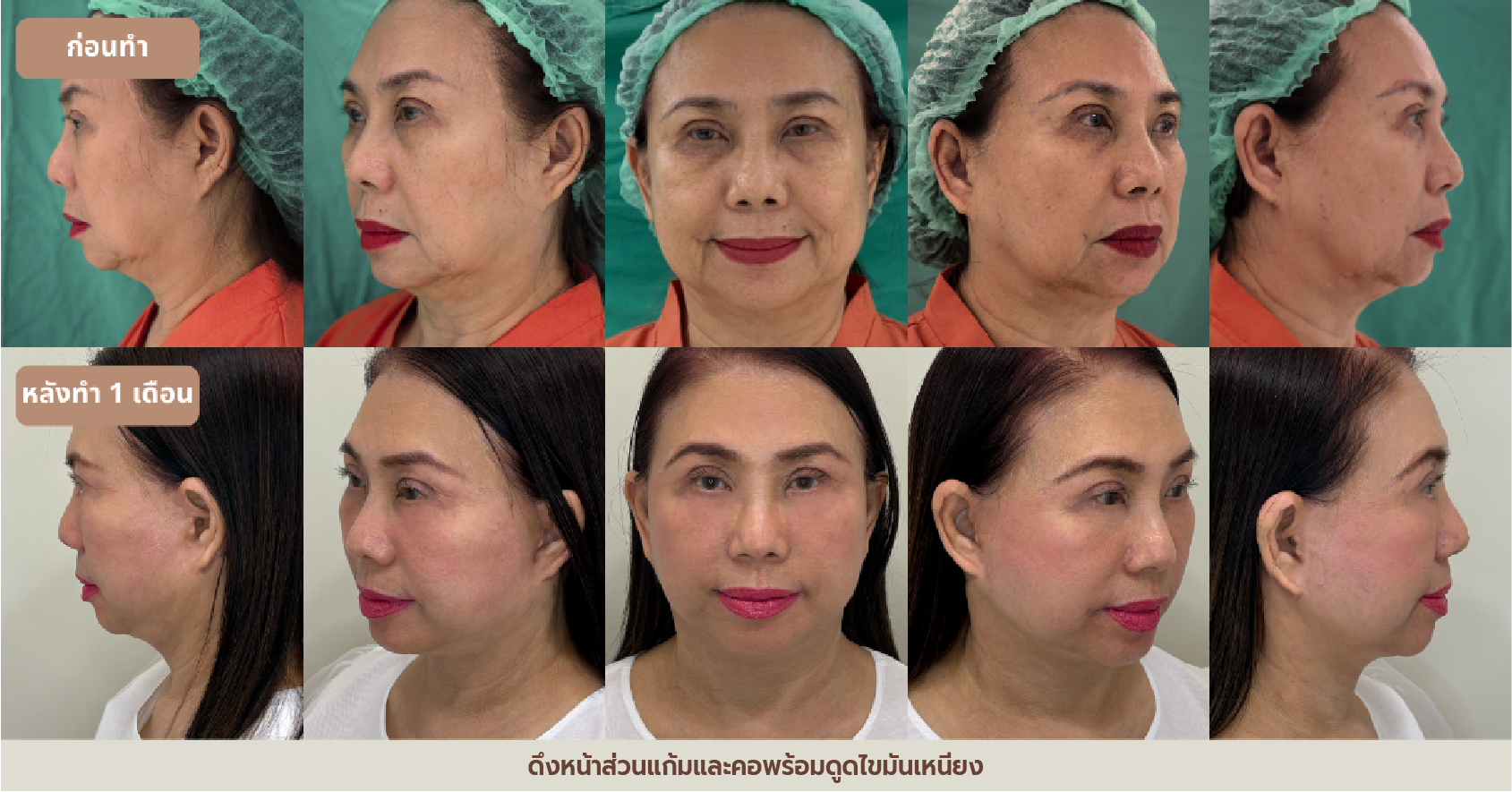
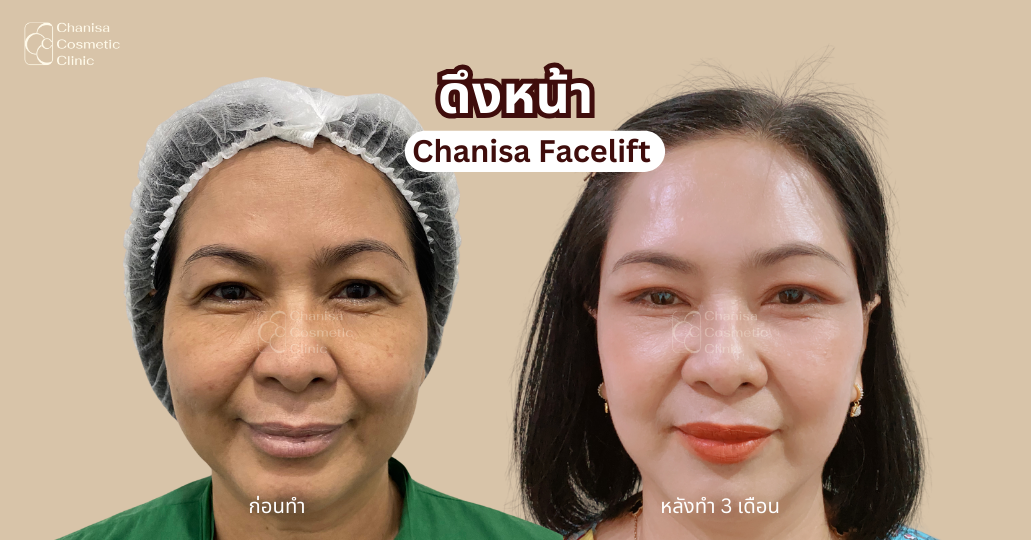
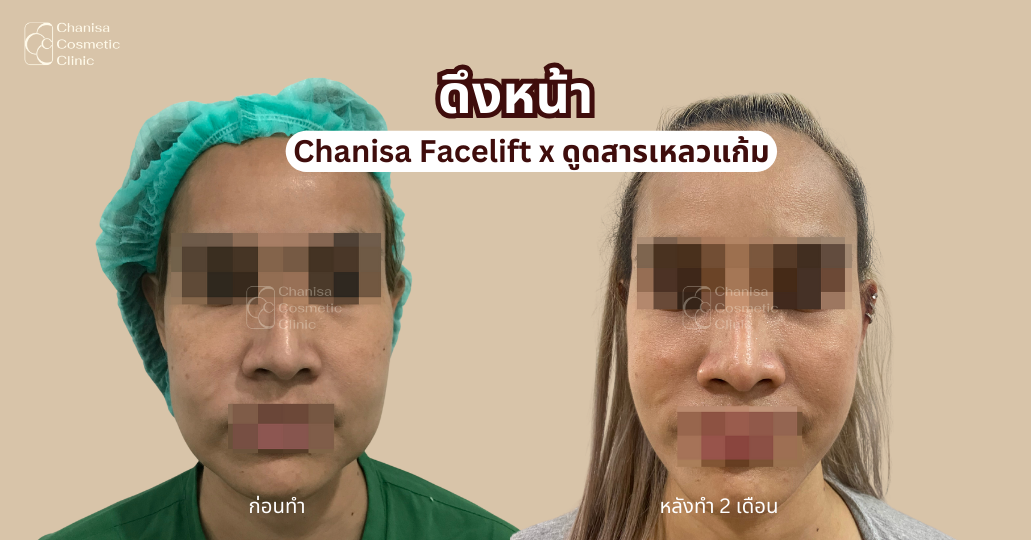
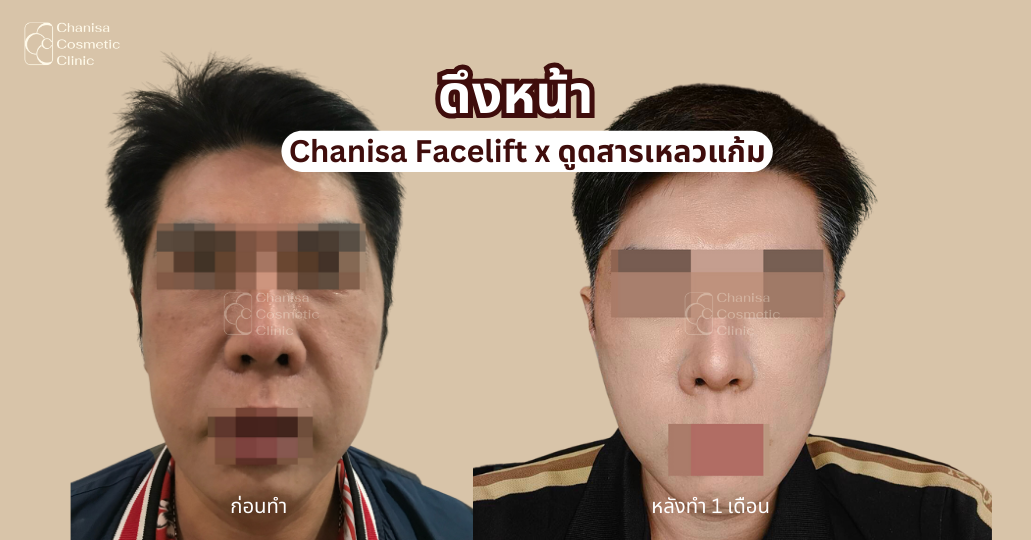
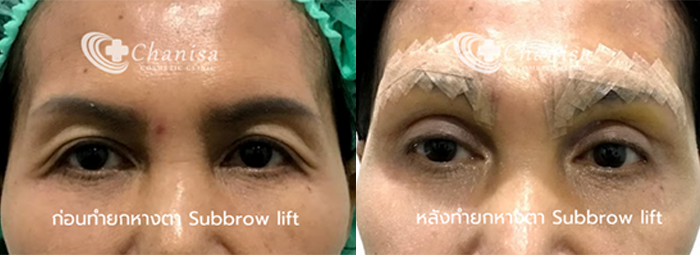
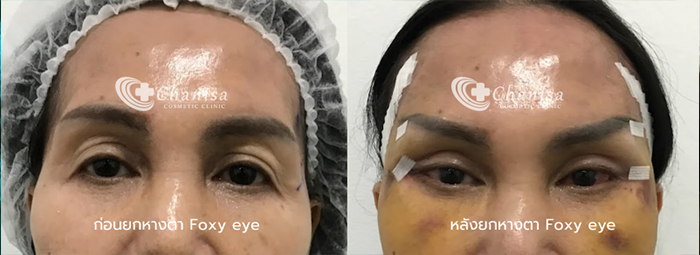
As we age, the skin and other areas of the face undergo noticeable changes. The first signs are wrinkles around the eyes and crow’s feet, followed by the nasolabial folds and forehead. The last areas to develop wrinkles are around the lips and neck. Therefore, facelift surgery…
Surgical Technique
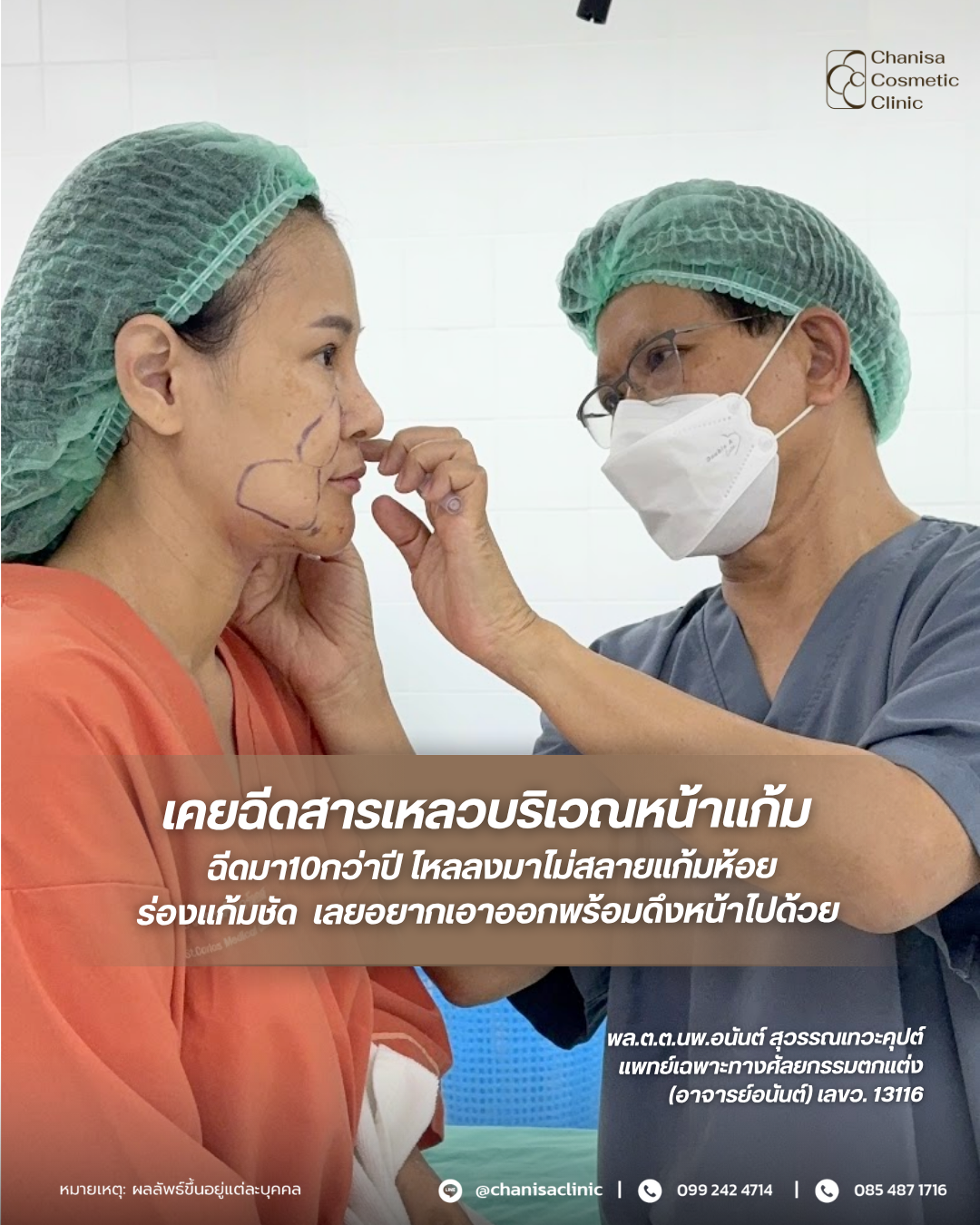
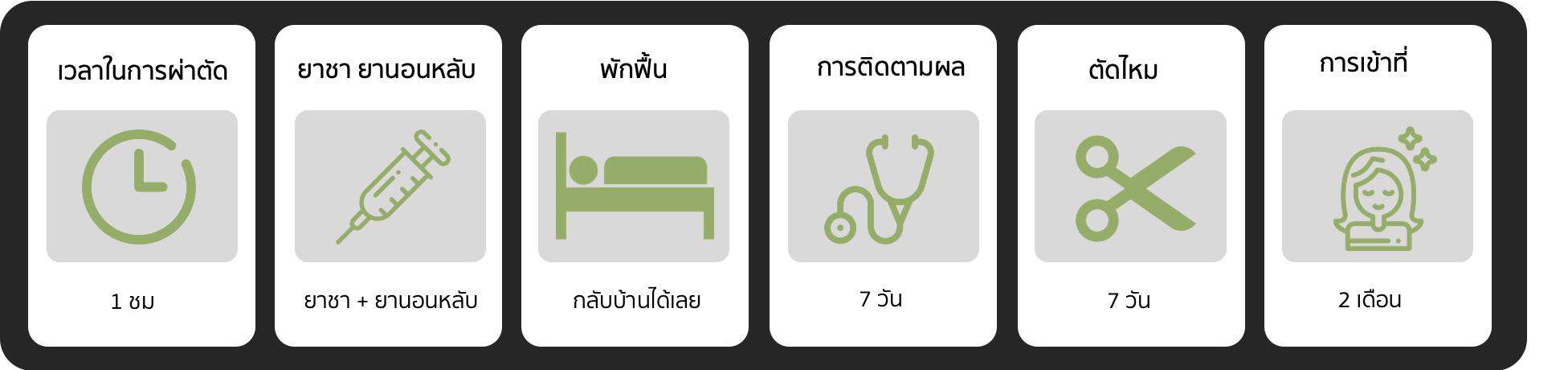
A facelift is a delicate operation that takes 4–6 hours. If only one area is treated, it takes about 1–2 hours. Facelift surgery can be performed under general anesthesia or local anesthesia. Patients should be in good health and have no problems with blood clotting. Medications that interfere with platelet function should be stopped, as they can cause heavier-than-normal bleeding. These include aspirin and many anti-inflammatory medications. Patients who smoke should stop at least 2–3 weeks before surgery because smoking can make the skin bruise easily and impair its blood supply, delaying wound healing. Patients with diabetes or high blood pressure should have these conditions under control and within normal ranges before surgery. It is not necessary to shave the hair; patients are usually asked to wash their hair and face with an antiseptic cleanser before surgery.
Types of Facelift
Cheek Lift
Cheek Lift Procedure
Step 1: Deep Plane technique Dissect the SMAS layer of fascia and muscle, pull it taut, and trim and reposition it for a tighter result.
Step 2: Secure the two SMAS layers with sutures again to lift the lower cheek.
Step 3: Close and refine the incision Remove excess skin and adjust the tension of the skin and tissue.
Benefits
✔️ This is a minor procedure performed under local anesthesia. It can be done at a clinic without general anesthesia.
✔️ Less swelling and a quick recovery
✔️ Short recovery time
Postoperative Care
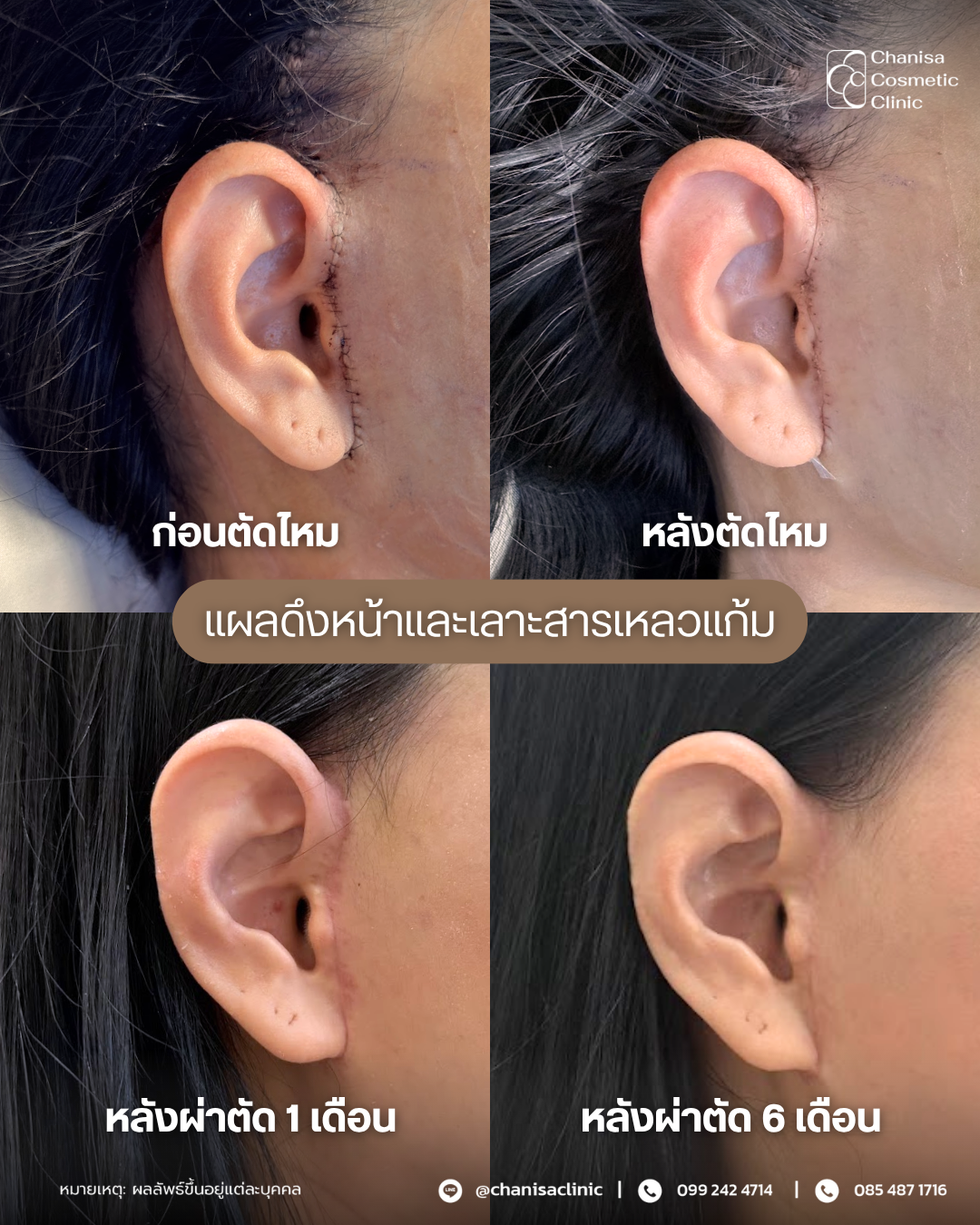
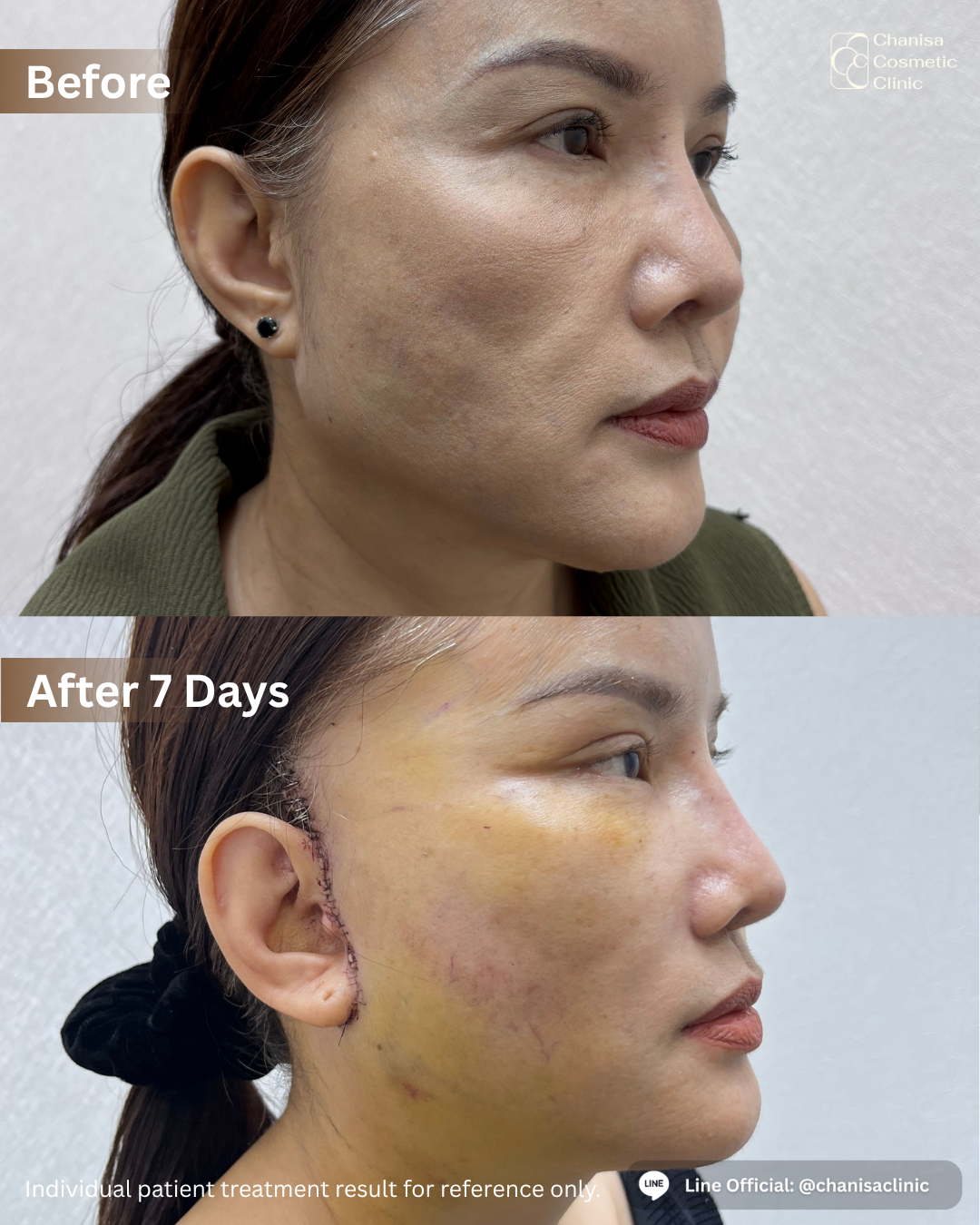
After surgery, the face will be swollen and bruised for about 1–2 weeks. However, patients can wash their face, shampoo their hair, and brush their teeth as usual starting the day after surgery. Stitches are usually removed about 5–7 days after surgery. The face generally returns to normal within 1–3 months, and the doctor will schedule periodic follow-up visits during this time. While facial swelling is present, some areas may look uneven, but they will return to normal once the swelling subsides. Patients are generally advised to rest at home during the first week after surgery and stay in the hospital for about 1–3 days after the procedure.
Possible Side Effects
Dizziness, nausea, and vomiting are often side effects of sedatives or general anesthesia. During the first day or two, blood may collect beneath the skin; this usually resolves on its own, though in some cases it may need to be drained. Some facial muscles may not function normally for a while—for example, your smile or eyebrow movements may be uneven. This usually improves as the nerves and muscles recover from bruising, about 1–2 months after surgery. A scar behind the ear may persist or become raised, but it can be treated with topical medication or injections. Hair loss may also occur around the incision, but it usually grows back within 2–3 months after surgery.