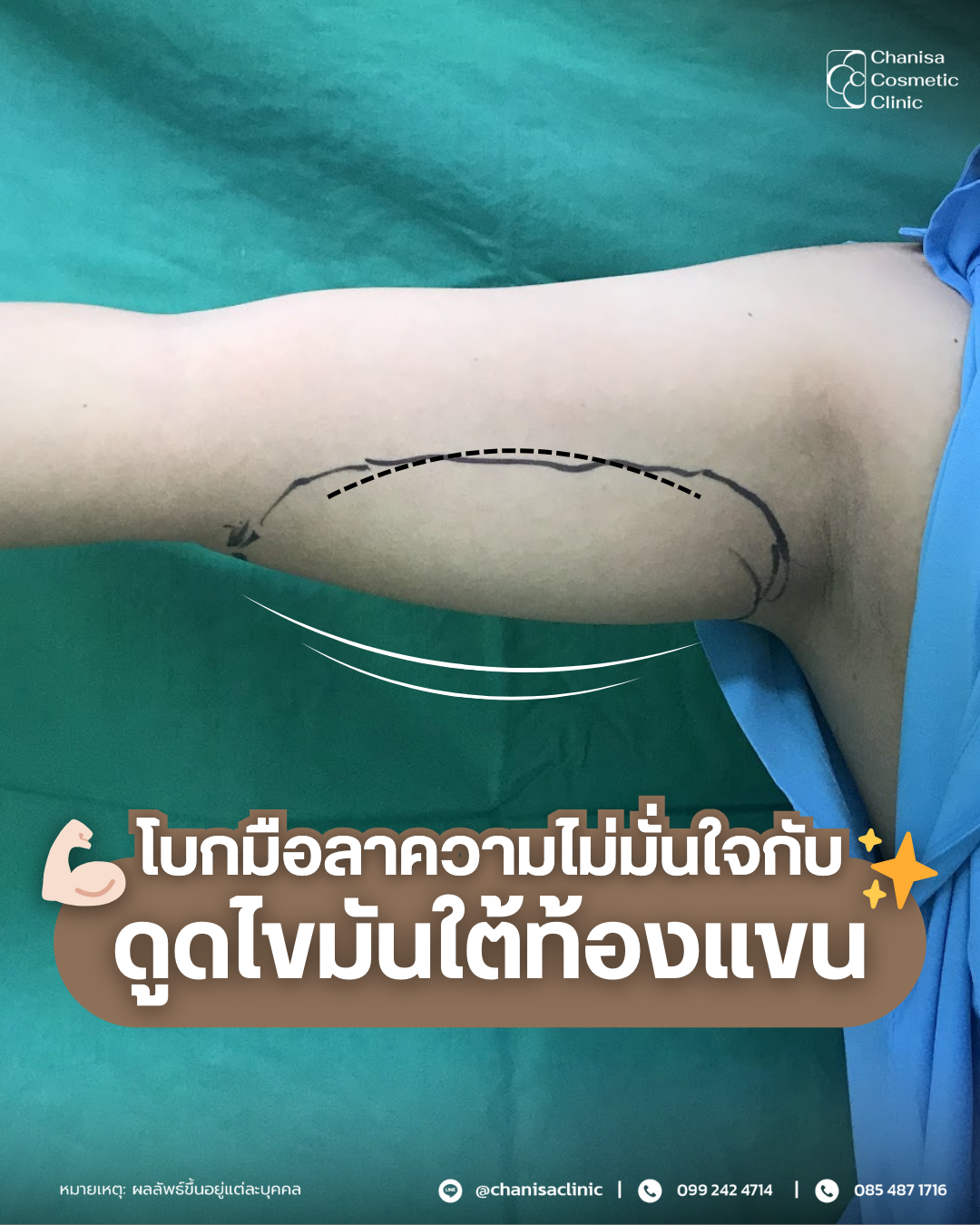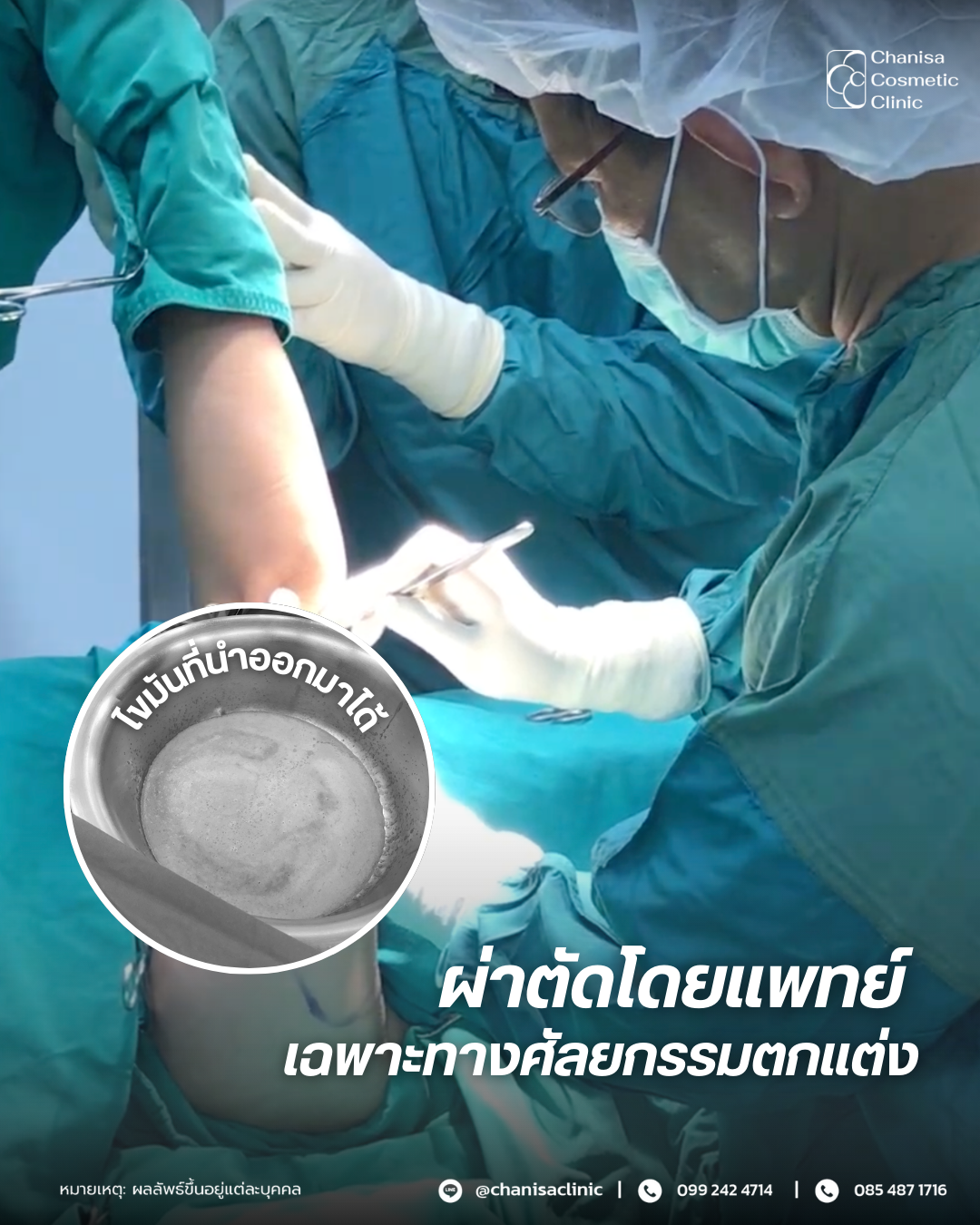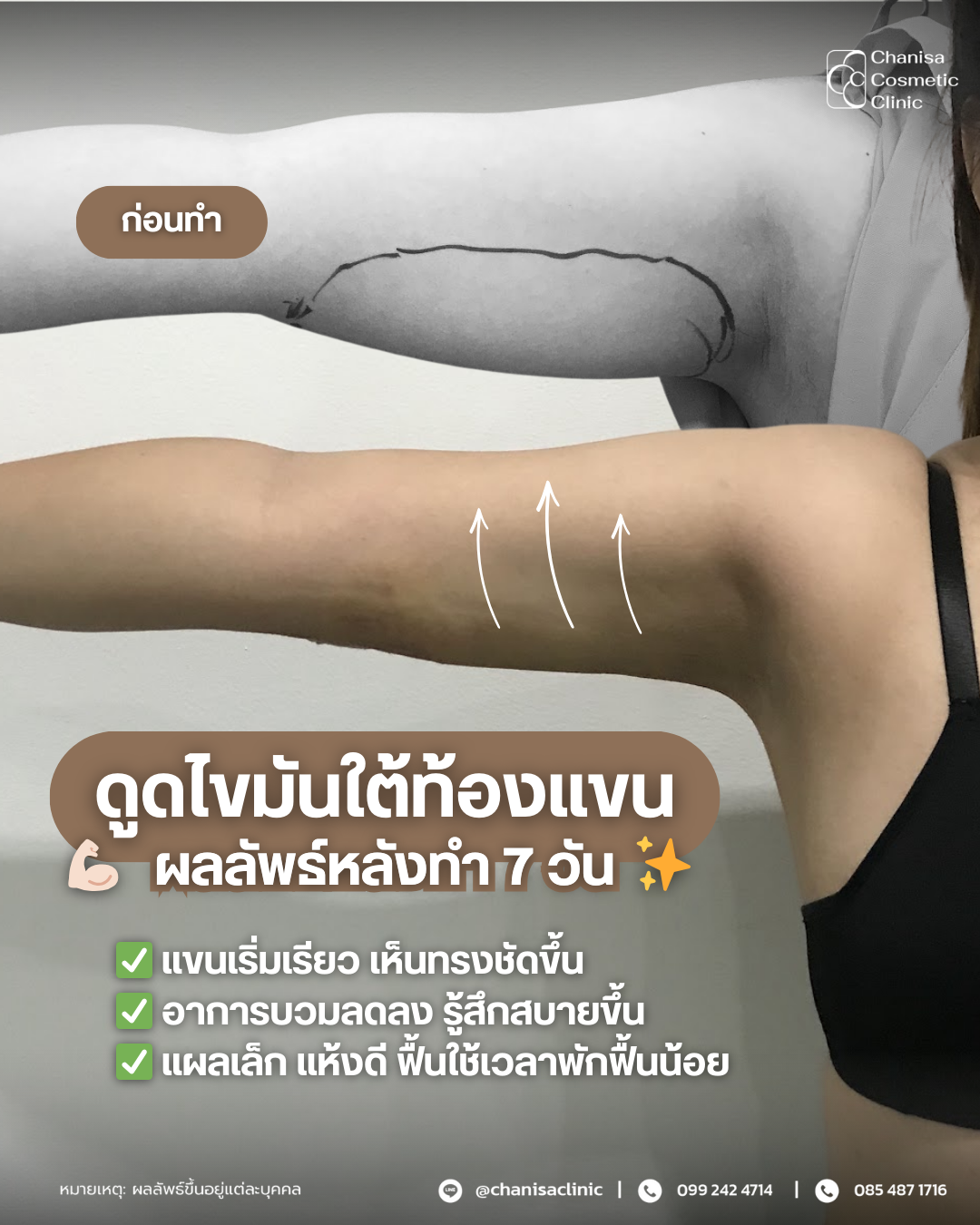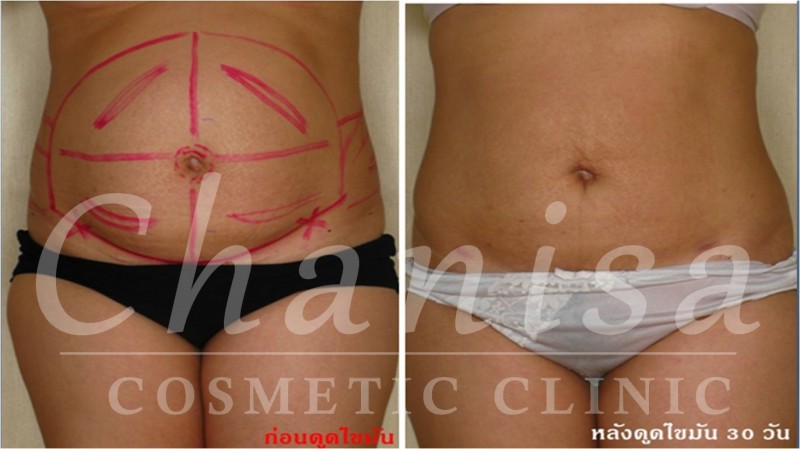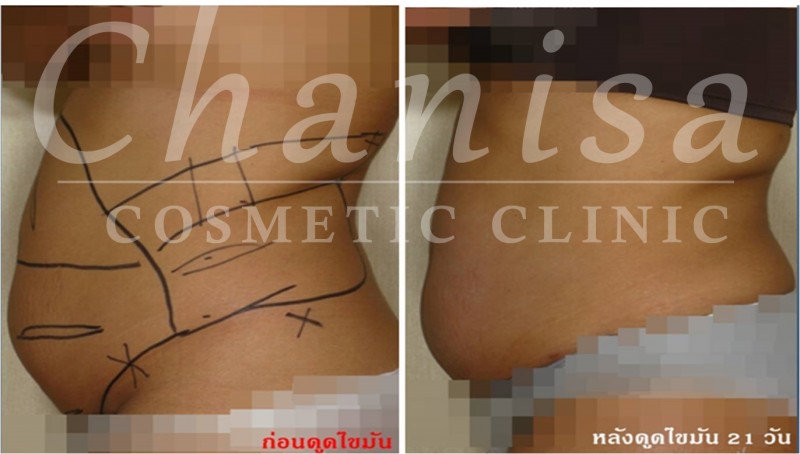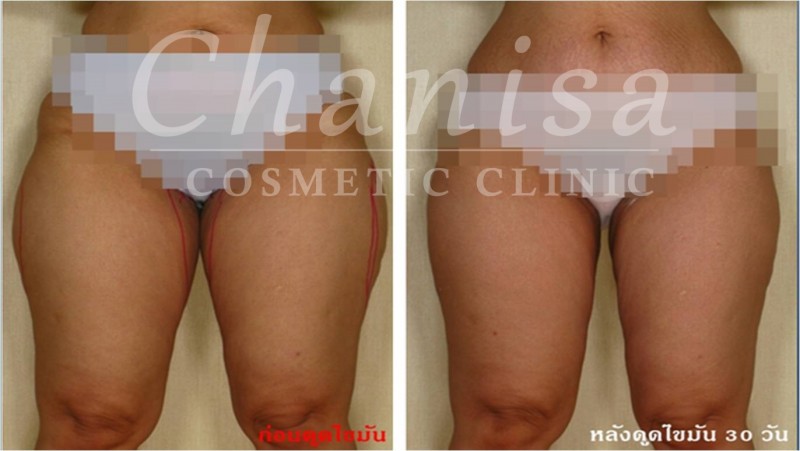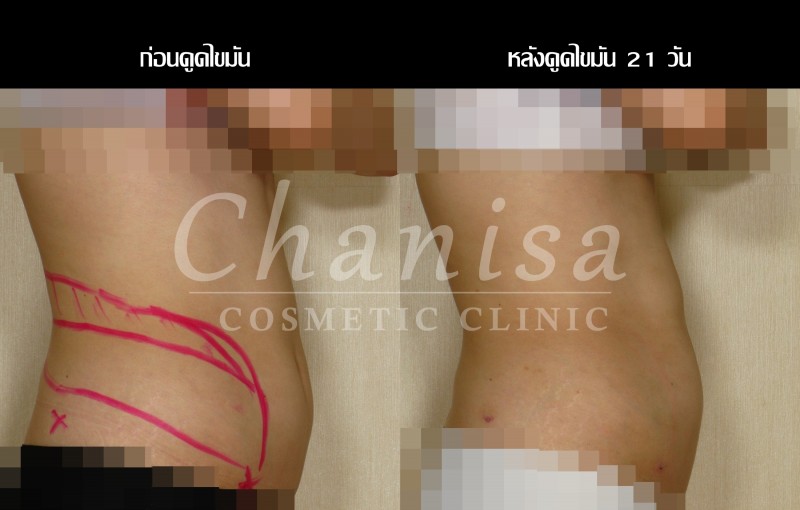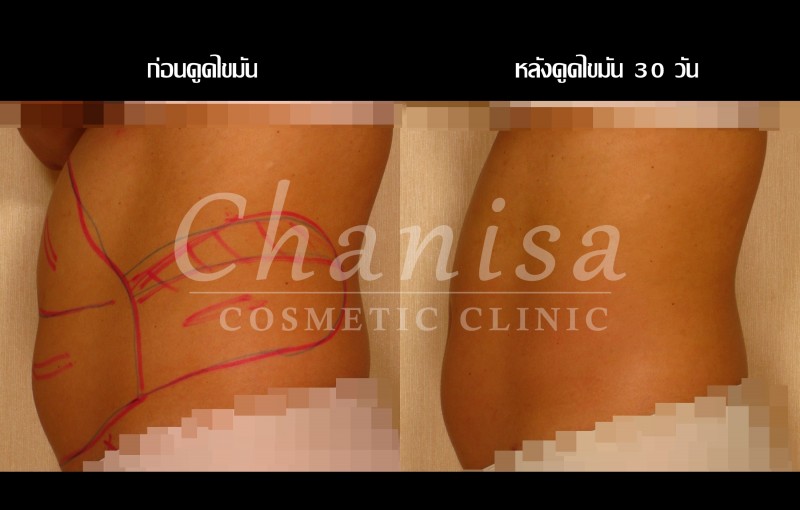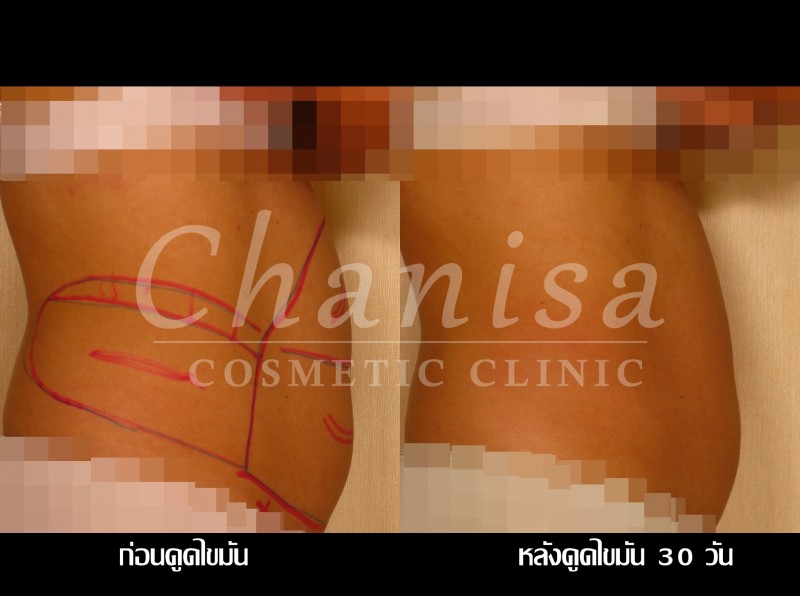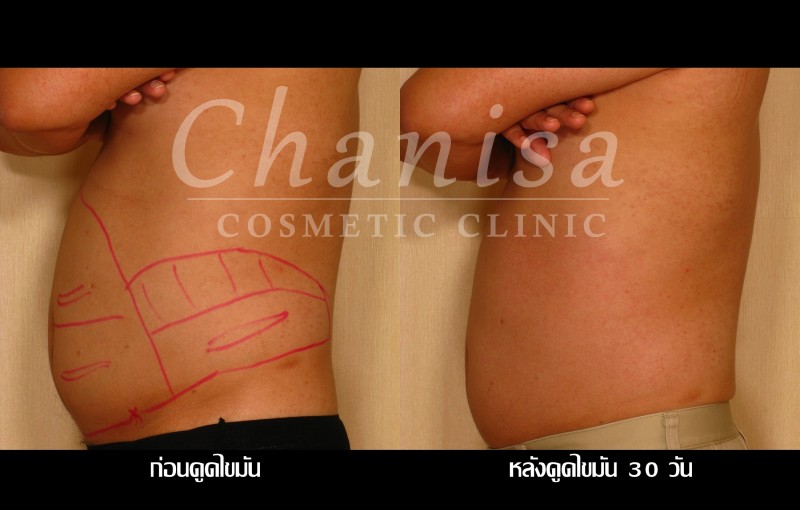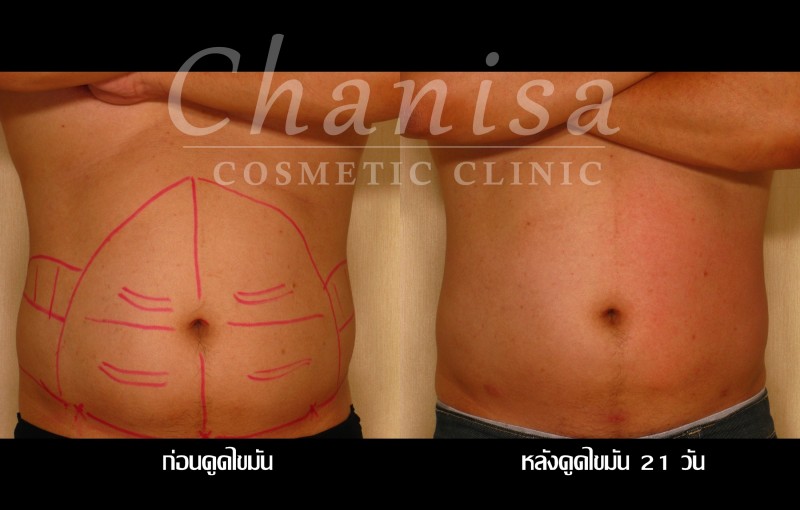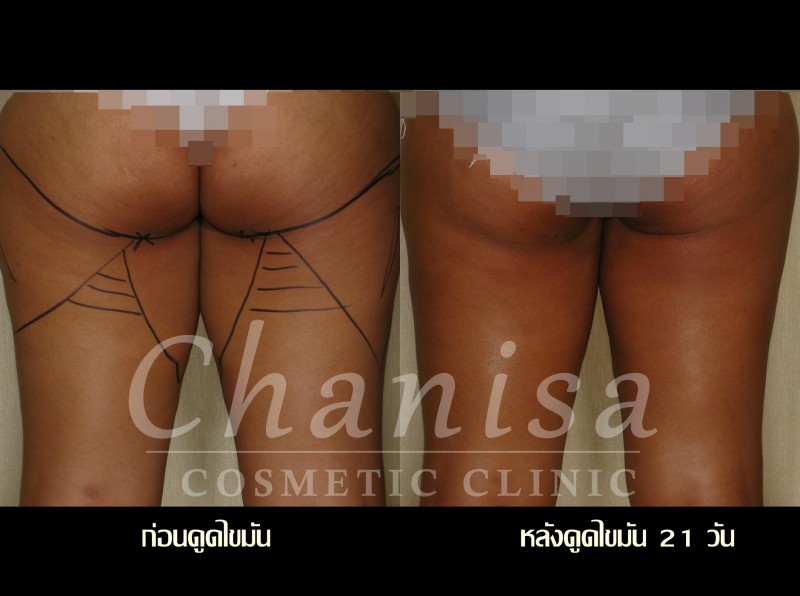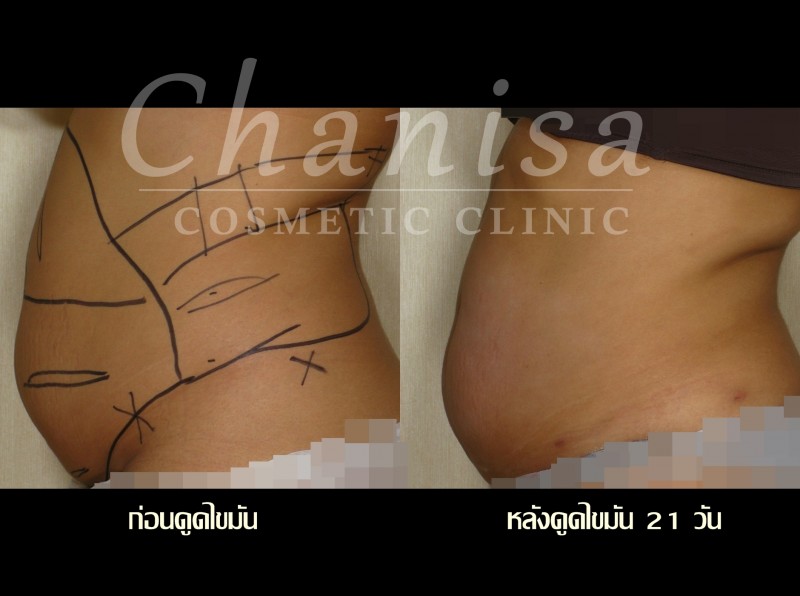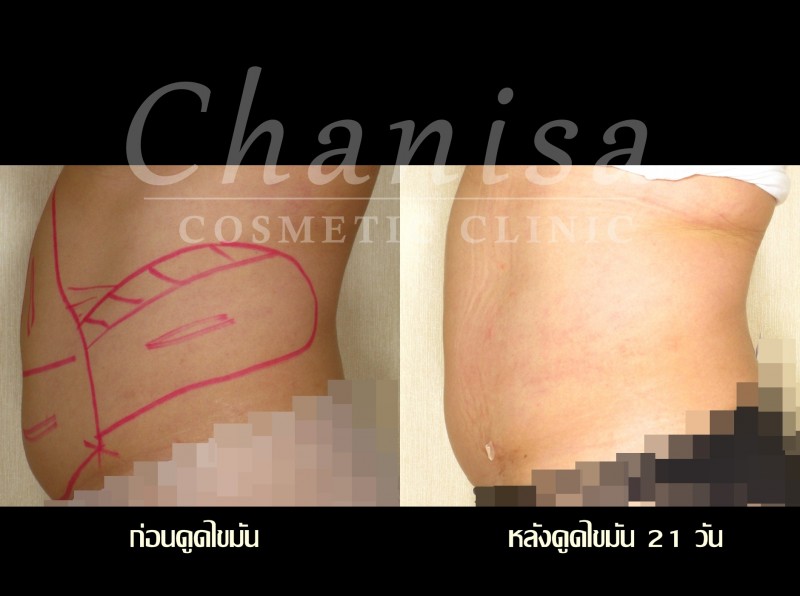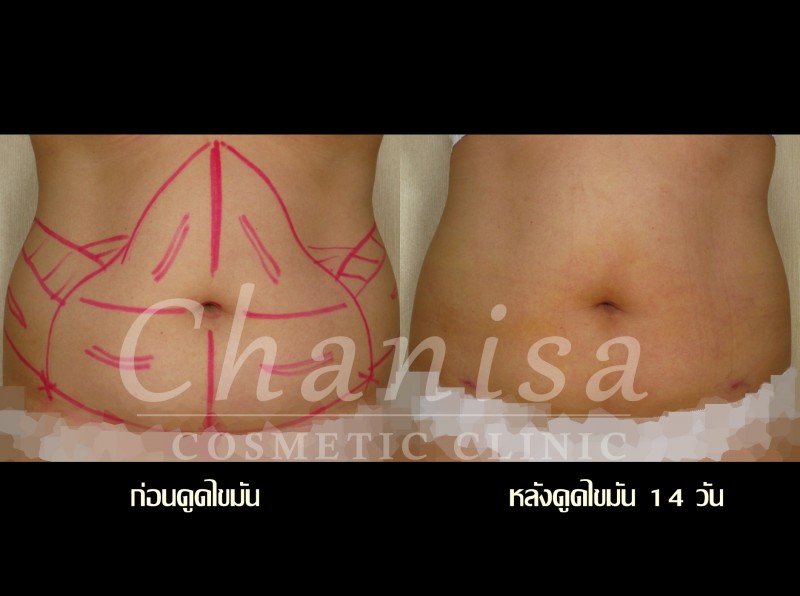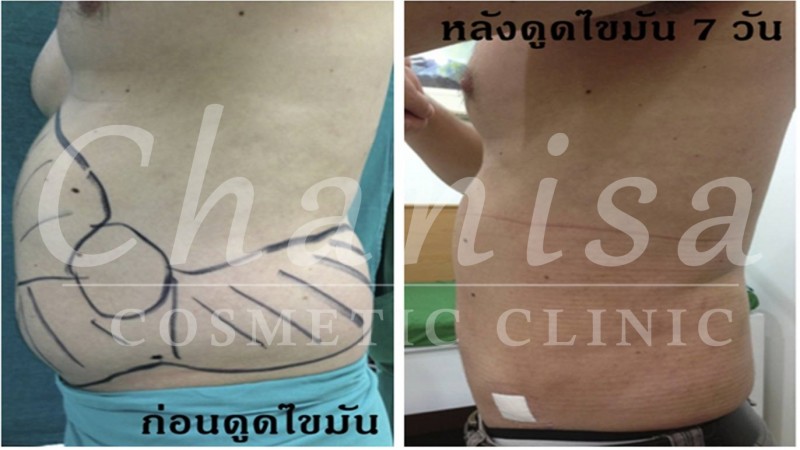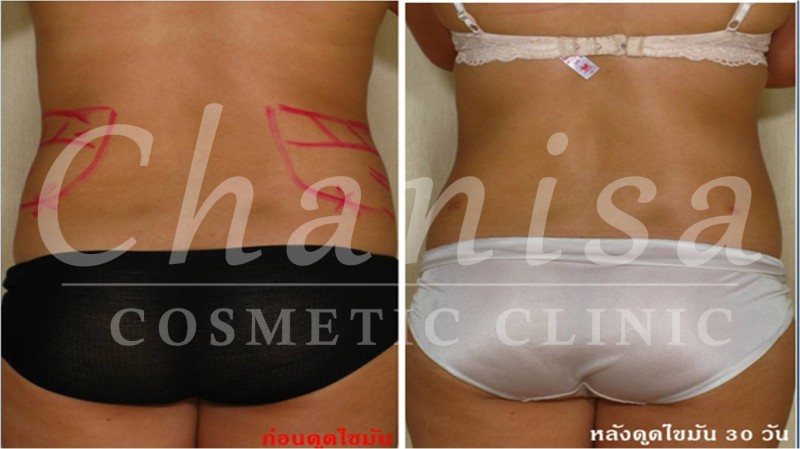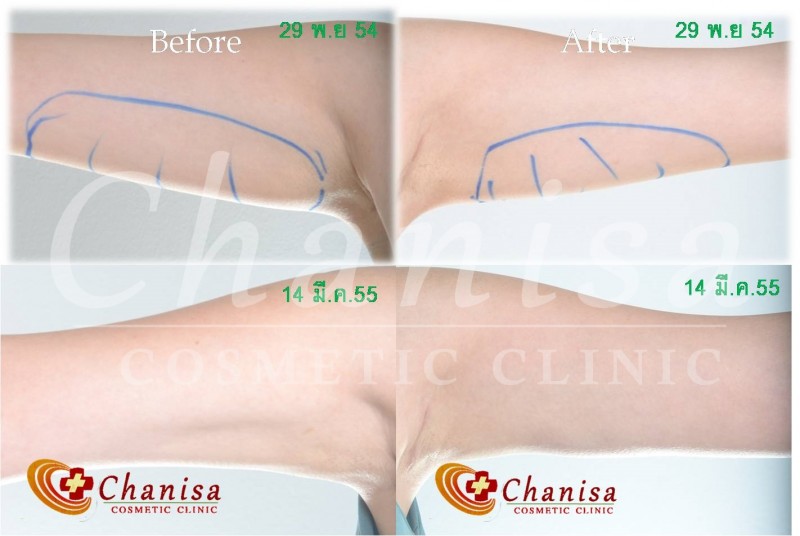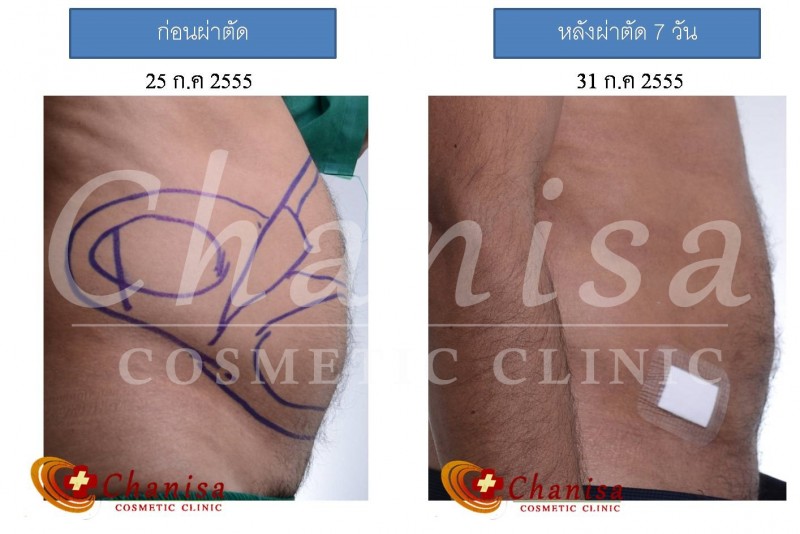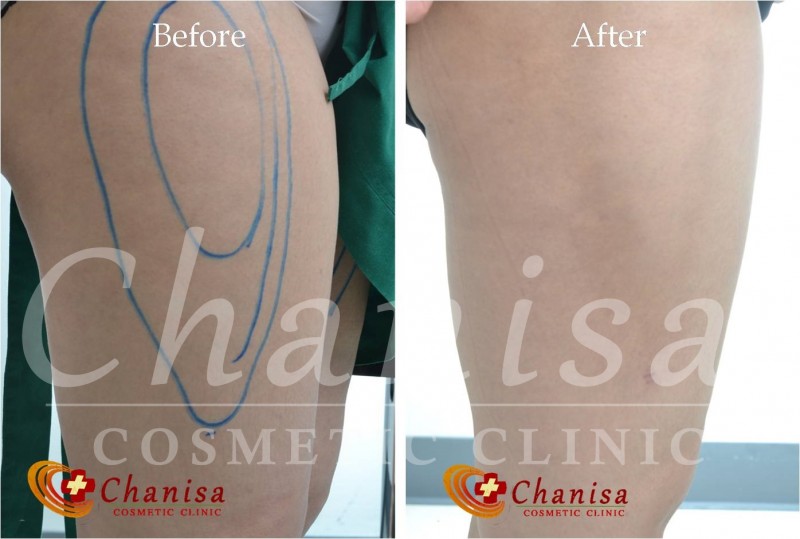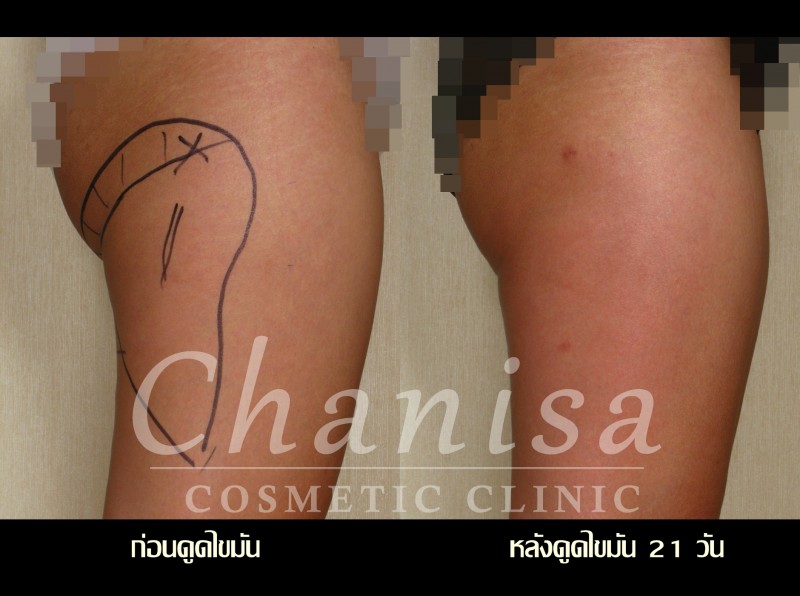
Excess Fat Removal
Preoperative Consultation
1. The amount of fat to be removed
2. The area to be treated. Incisions are generally hidden in natural folds.
3. The liposuction technique to be used
4. Discuss the scars that may result from liposuction at each site. For example, for the abdomen, the entry incision will be near the navel or in the groin. If the thighs are being treated, the incision will be in the groin.
Techniques
There are currently several liposuction techniques. The techniques offered by the clinic are as follows:
1. DRY TECHNIQUE uses a cannula to remove fat directly, without first injecting any solution. It is often used alongside other procedures, such as a tummy tuck. Its disadvantages are a higher risk of blood loss and uneven results, so it is not commonly used.
2. Standard TECHNIQUE This is the most commonly used standard method. A saline solution mixed with local anesthetic and medication is first injected into the area to be treated, then a small cannula is used to remove the fat. This helps reduce blood loss and the risk of unevenness after surgery. It is the standard method used today.
3. Vaser is a liposuction technique that combines Standard TECHNIQUE with ultrasound waves to liquefy the fat before it is removed with a liposuction machine. This can remove more fat than DRY TECHNIQUE or Standard TECHNIQUE, with fewer side effects. Ultrasound energy has been used in medicine for many years across a range of specialties. One advantage is that it can target areas of excess fat without damaging surrounding tissues such as nerves, blood vessels, and connective tissue. As a result, the skin remains smooth and firm after the procedure, with less tissue trauma. Patients need less recovery time, and swelling and postoperative pain are reduced.
Postoperative Care
1. Wear a compression garment for at least 4–6 weeks to help achieve a good shape and reduce swelling.
2. Swelling is usually worst during the first 3 days, then subsides over 2–4 weeks and resolves completely within 3–6 months.
3. Bruising may last about 1–2 weeks.
4. The doctor will schedule suture removal after 5–7 days.
5. Swelling lasts about 2–4 weeks, and
6. You can resume exercise within 2–4 weeks.
7. The results settle into place within 4–8 weeks.