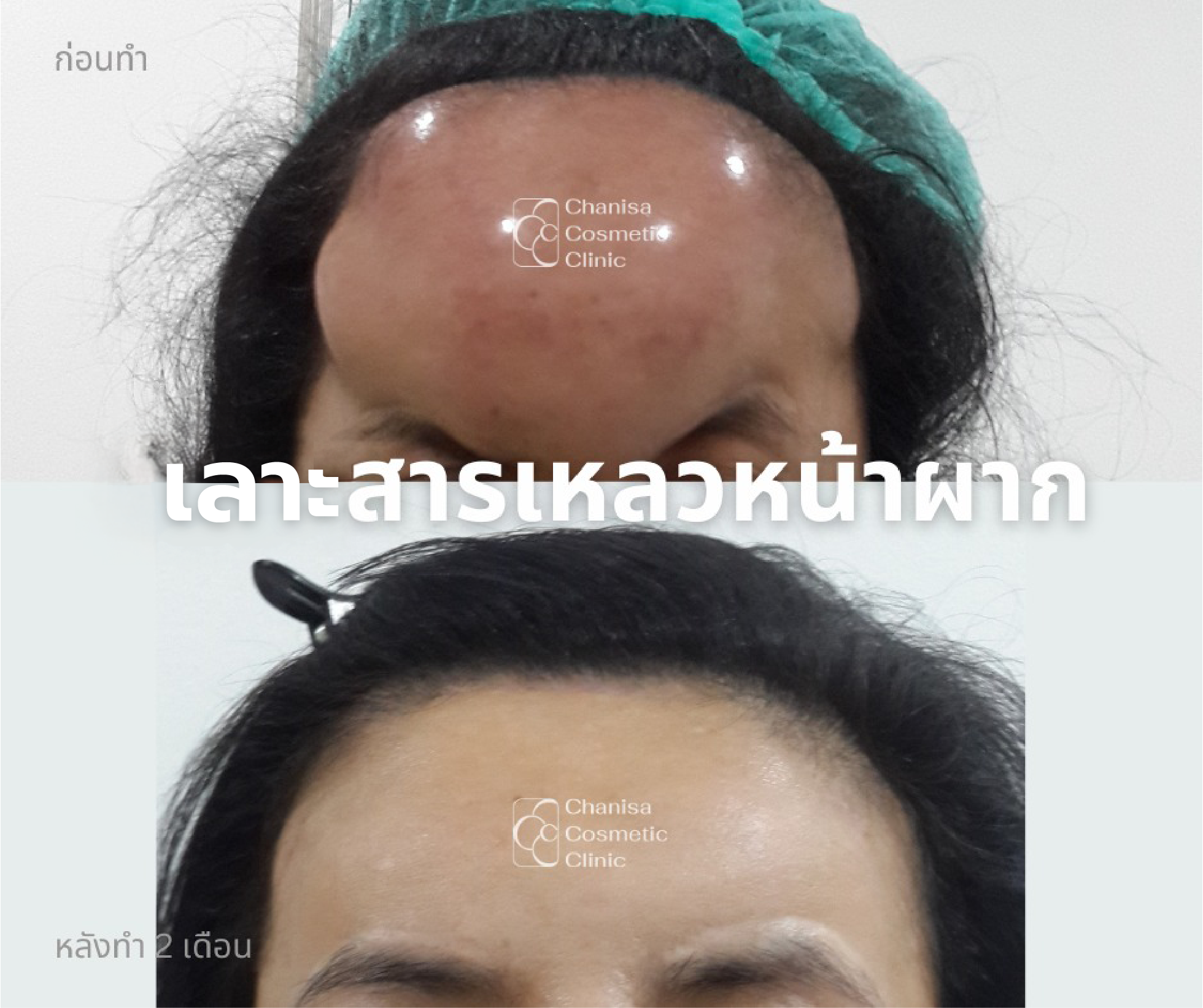
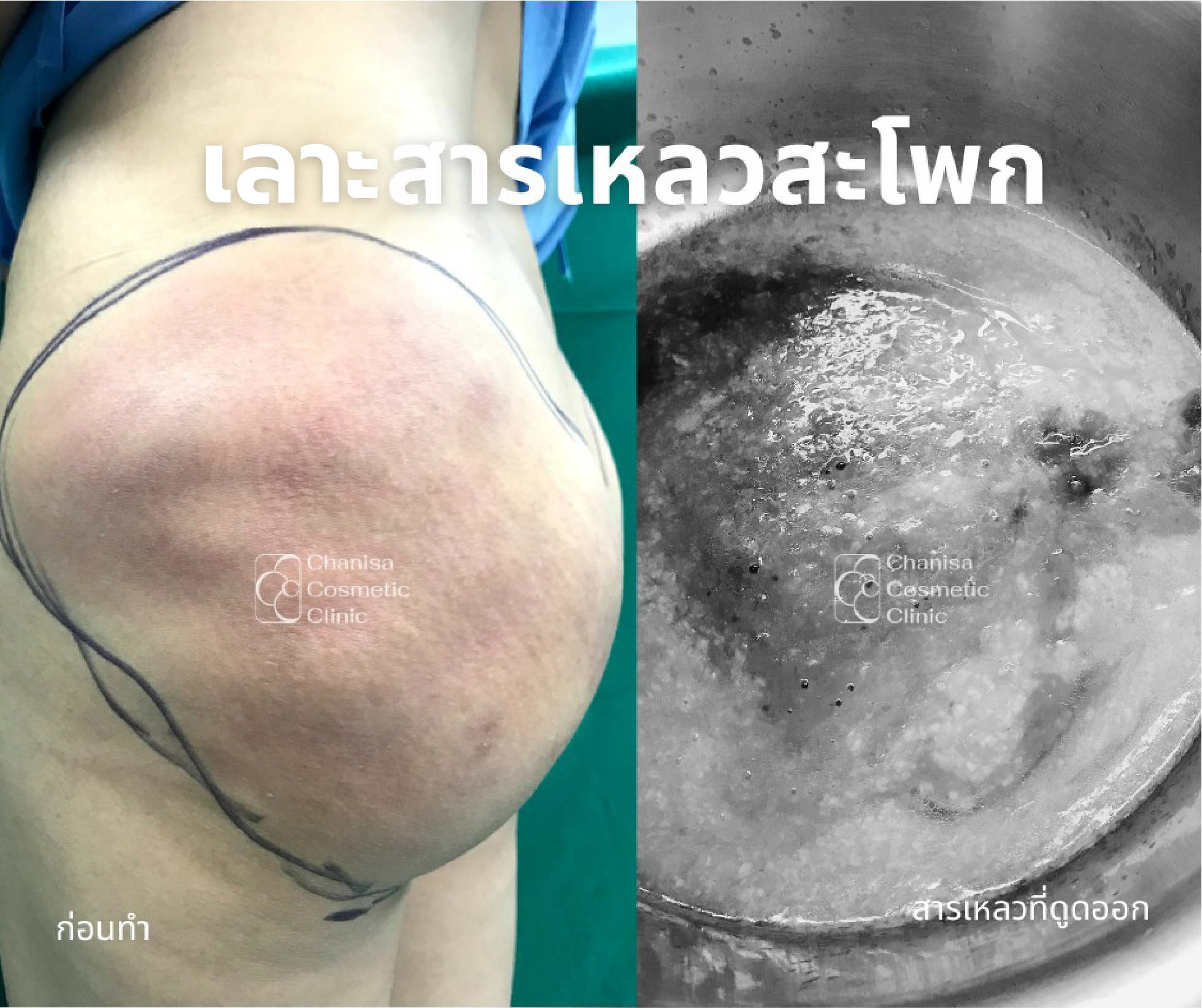
How Can Liquid Silicone, Fillers, Biopolymers, and Other Foreign Substances Be Corrected? Please Explain.
Foreign Substances
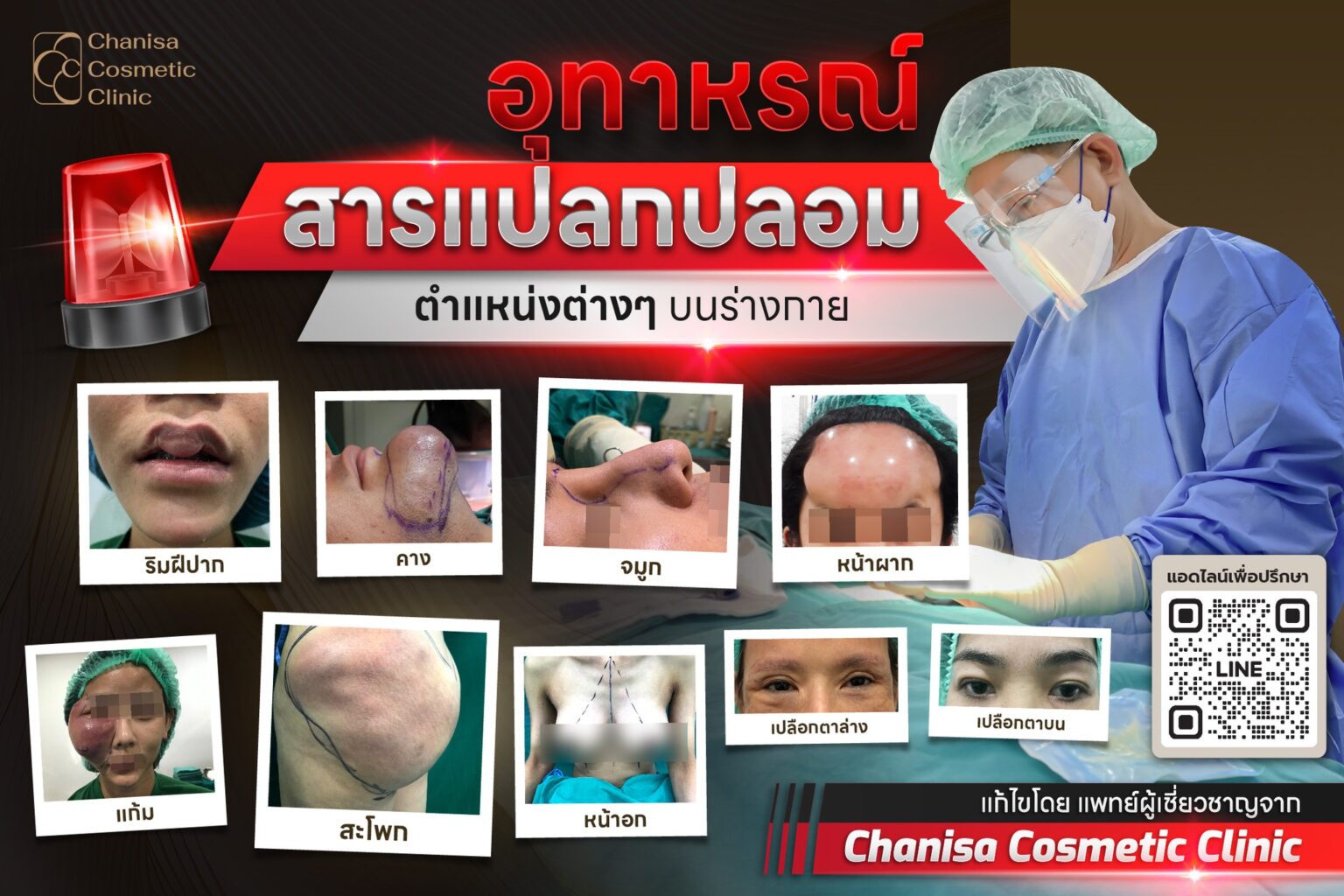
This is a synthetic substance that does not break down in the body and has not been approved by the Thai FDA. Nevertheless, it is injected because it is inexpensive and can immediately add volume to the face and body to create more attractive proportions. Other non-dissolvable substances are also injected, such as paraffin, bioplastic, artificial fat, and substandard fillers. These often cause many adverse effects after injection, including palpable lumps, red rashes that resemble clusters of tiny blood vessels, rough skin, deformity, and recurring chronic inflammatory sores. According to Chanisa Cosmetics Clinic statistics, many patients have come in for consultations and treatment to have these foreign substances removed.
Relief / Alleviation
1. Dissolving Injections
Patients often mistakenly believe that injecting this substance will dissolve liquid silicone, but in fact, there is currently no medication that dissolves this group of substances. It only relieves symptoms for a period of time. The medication breaks down our normal tissue along with the scar tissue around the injected foreign substance, making the hardened area softer. A doctor may use it before or after surgery, at their discretion. The medication must be injected by a doctor because it can cause rippled, thin skin that is prone to acne, as well as an increase in visible tiny blood vessels in the skin. Normally, injections are not recommended unless the tissue is contracting or has become excessively hard.
2. Taking Medication
This is considered palliative treatment and is suitable for patients who are not yet ready for surgery, or whom the doctor has examined and determined are unable to undergo surgery at that time. Most patients come in with severe inflammation that has spread to other areas rather than being confined to a specific area. Surgery may further aggravate the inflammation. The medications prescribed by the doctor usually include antibiotics, anti-inflammatory medication, and pain relievers. Patients are advised not to buy and take medication on their own, as this may lead to drug resistance and make subsequent treatment more difficult.
Treatment / Treatment
1. Dissolving Injections
For fillers that meet Thai FDA standards only
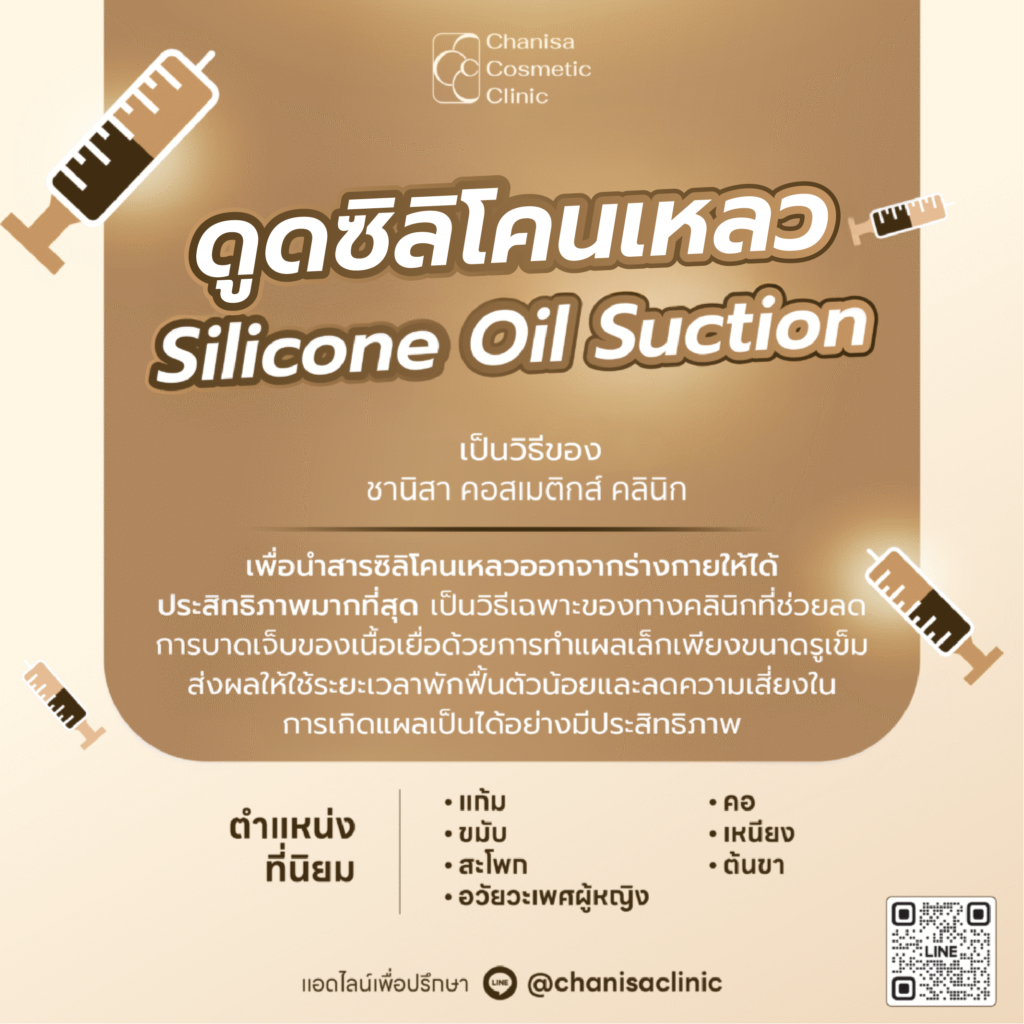
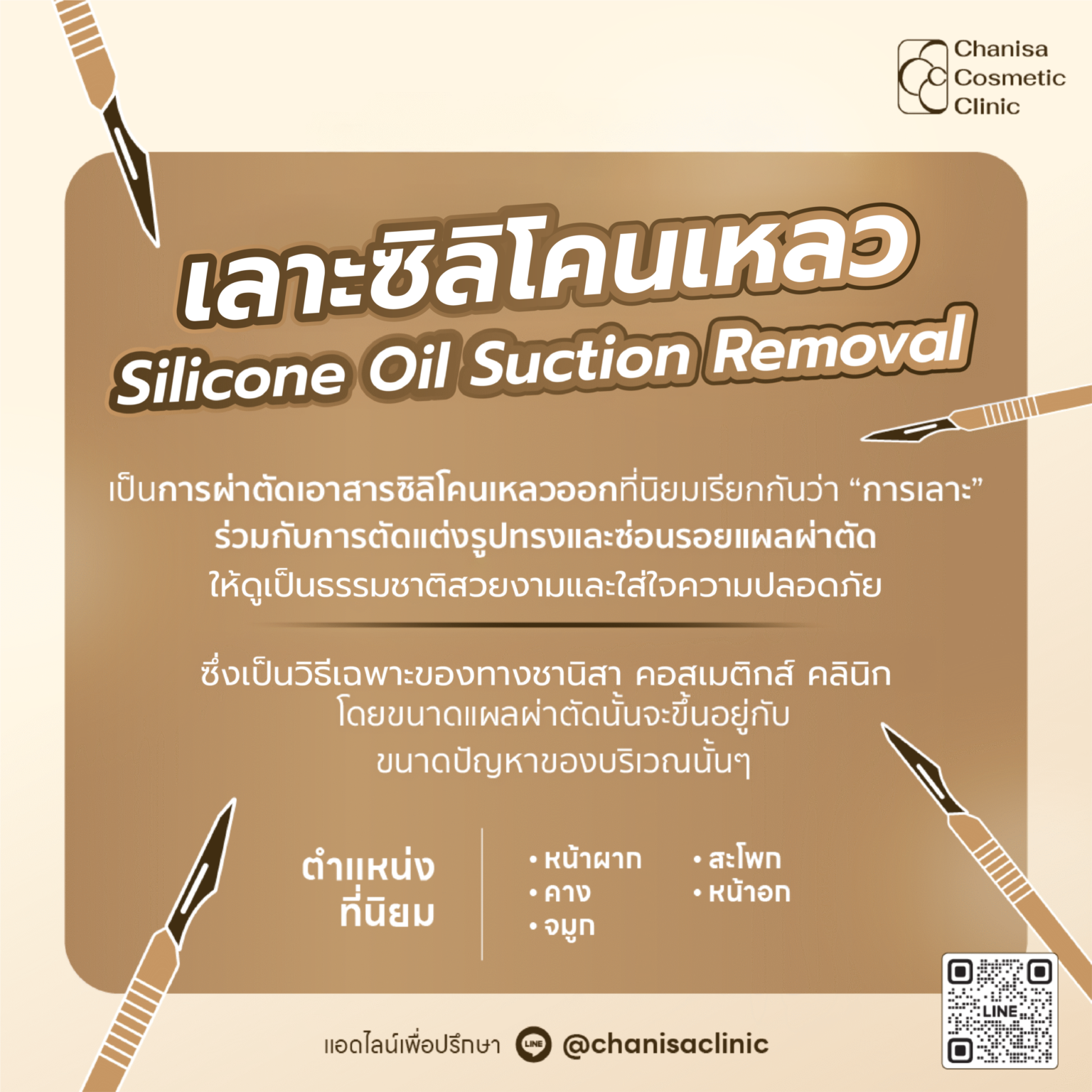
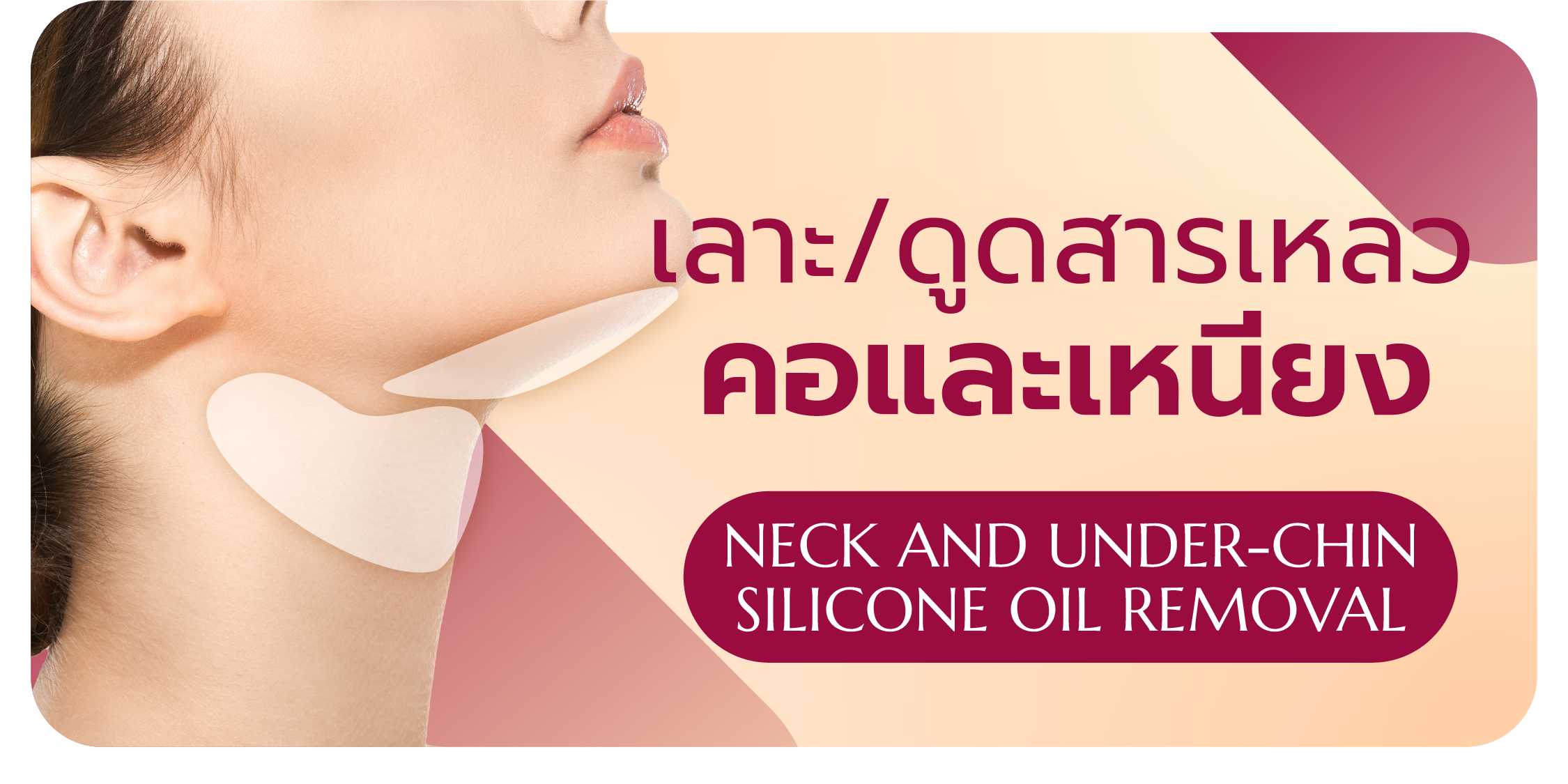
2. Puncture, Scraping, and Suction Using Silicone Oil Suction (SOS)
- This is another surgical method for removing foreign substances from the body, using a technique similar to liposuction. However, puncturing or suctioning an area of the face must be performed by a doctor because it carries some risk of affecting the facial nerves, such as causing a drooping mouth or an inability to raise the eyebrows. Patients must understand and accept these risks before the doctor performs the surgery. In general, the doctor cannot accurately estimate how much of the substance can be removed and can only provide an approximate assessment. This depends on how firm the tissue in that area has become.
- Removal of Foreign Substances and Liquid Silicone by Suction Silicone Oil Suction (SOS) is a method for removing liquid substances. It is suitable forcases where the foreign-substance lump has not yet hardened significantly This clinic-specific technique helps reduce tissue trauma by making only a pinhole-sized incision. This means less recovery time and effectively reduces the risk of scarring.
3. Surgical Excision Using Silicone Oil Suction Removal (SOSR)
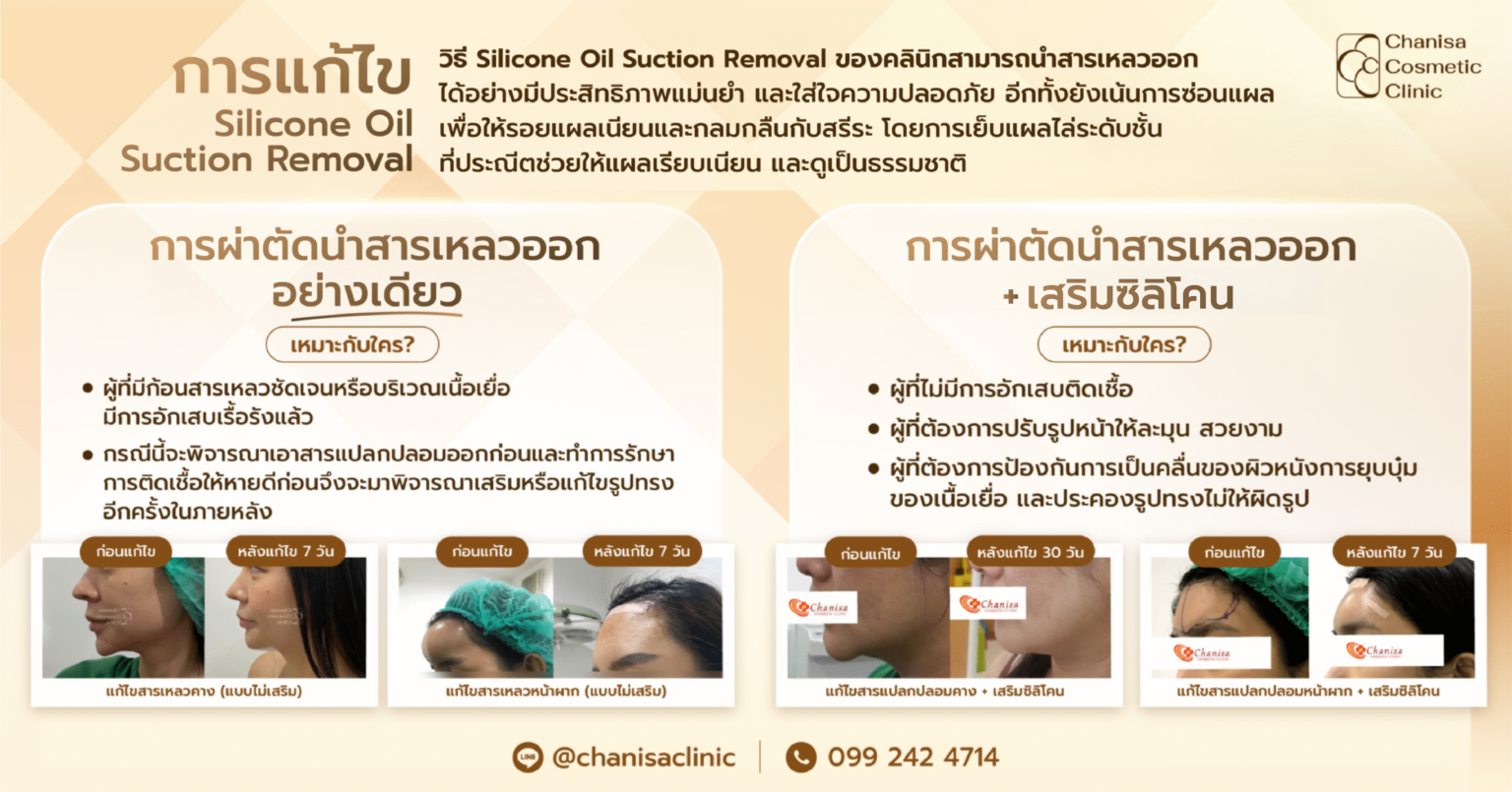
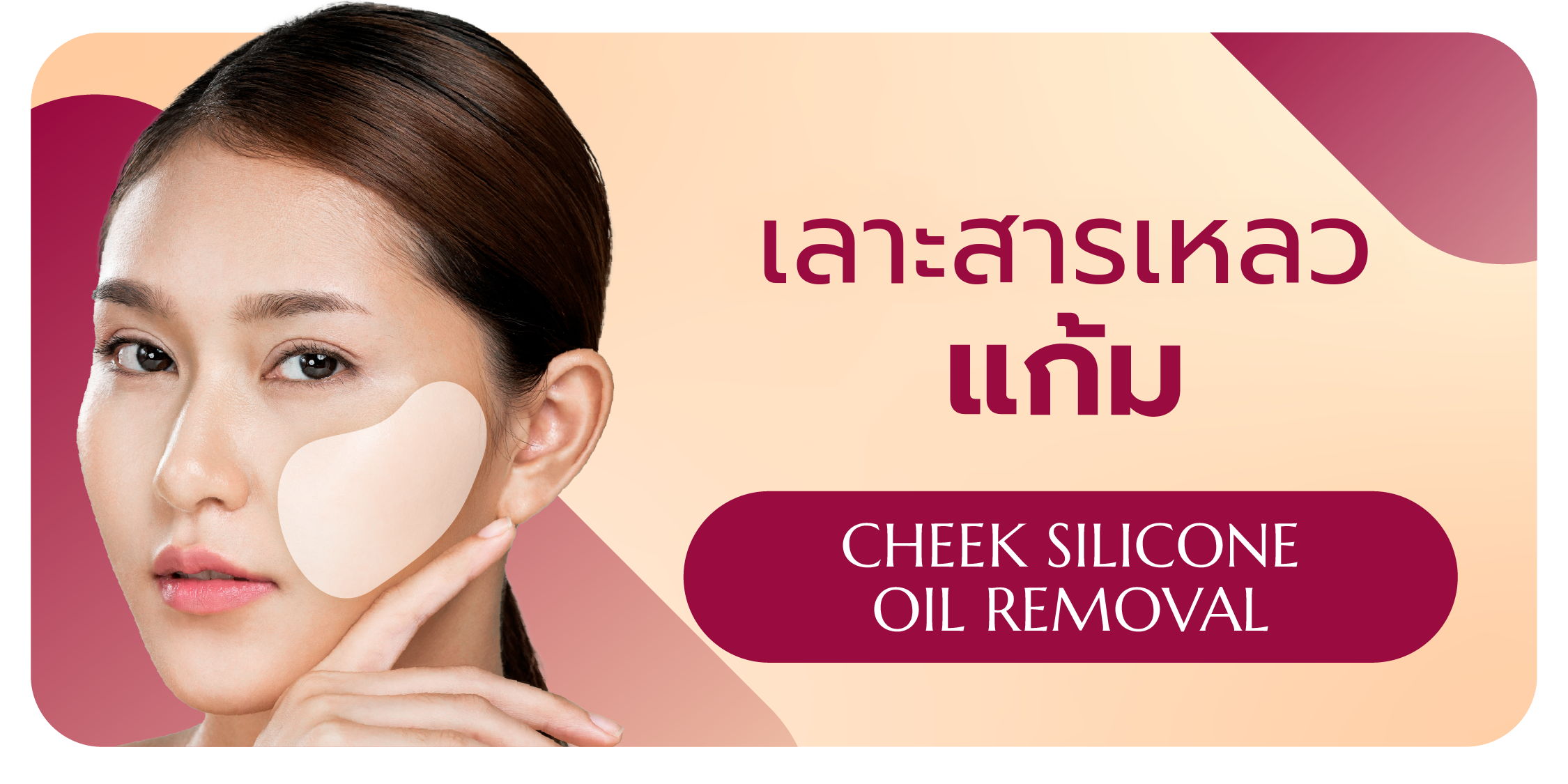
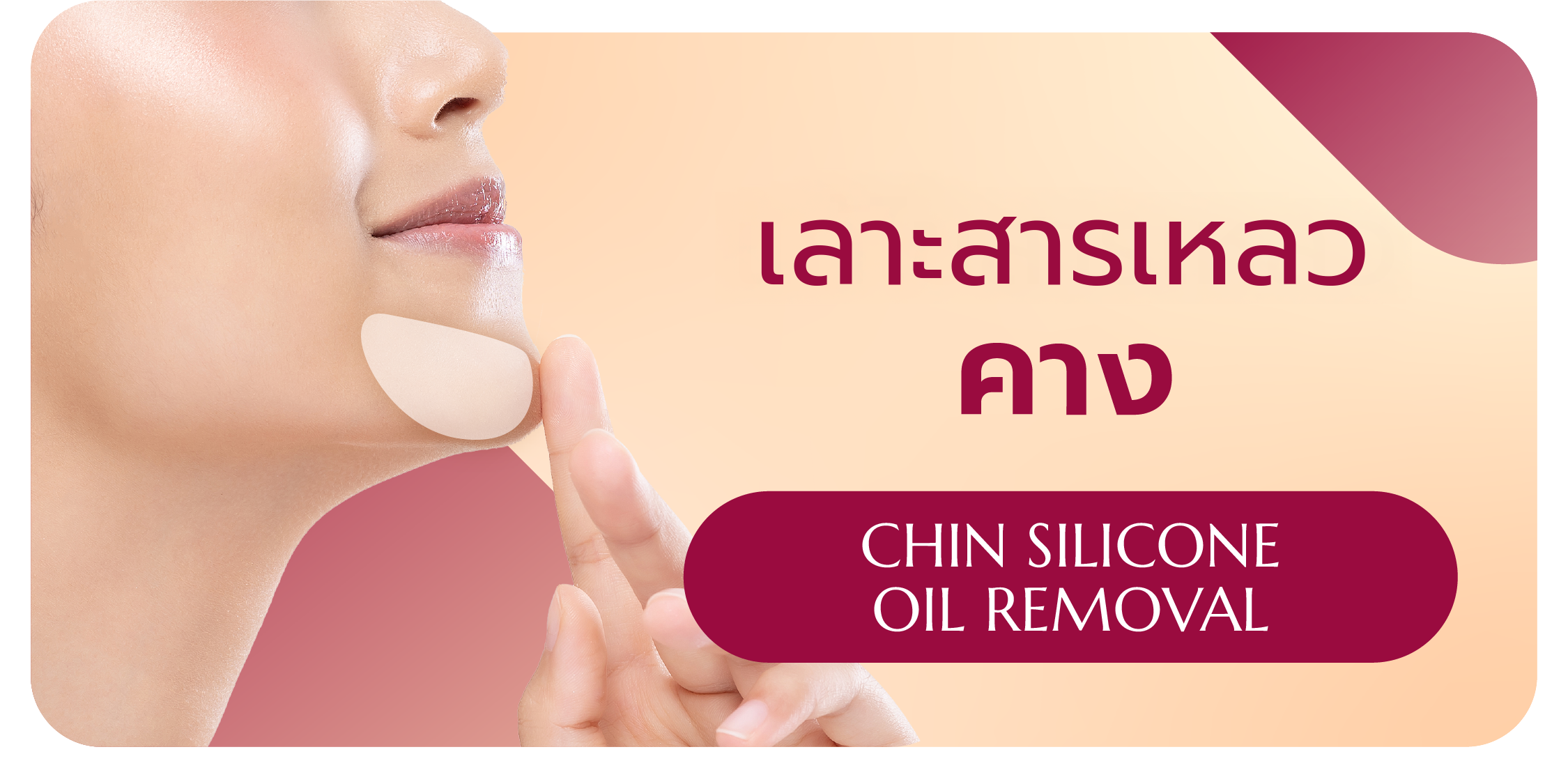
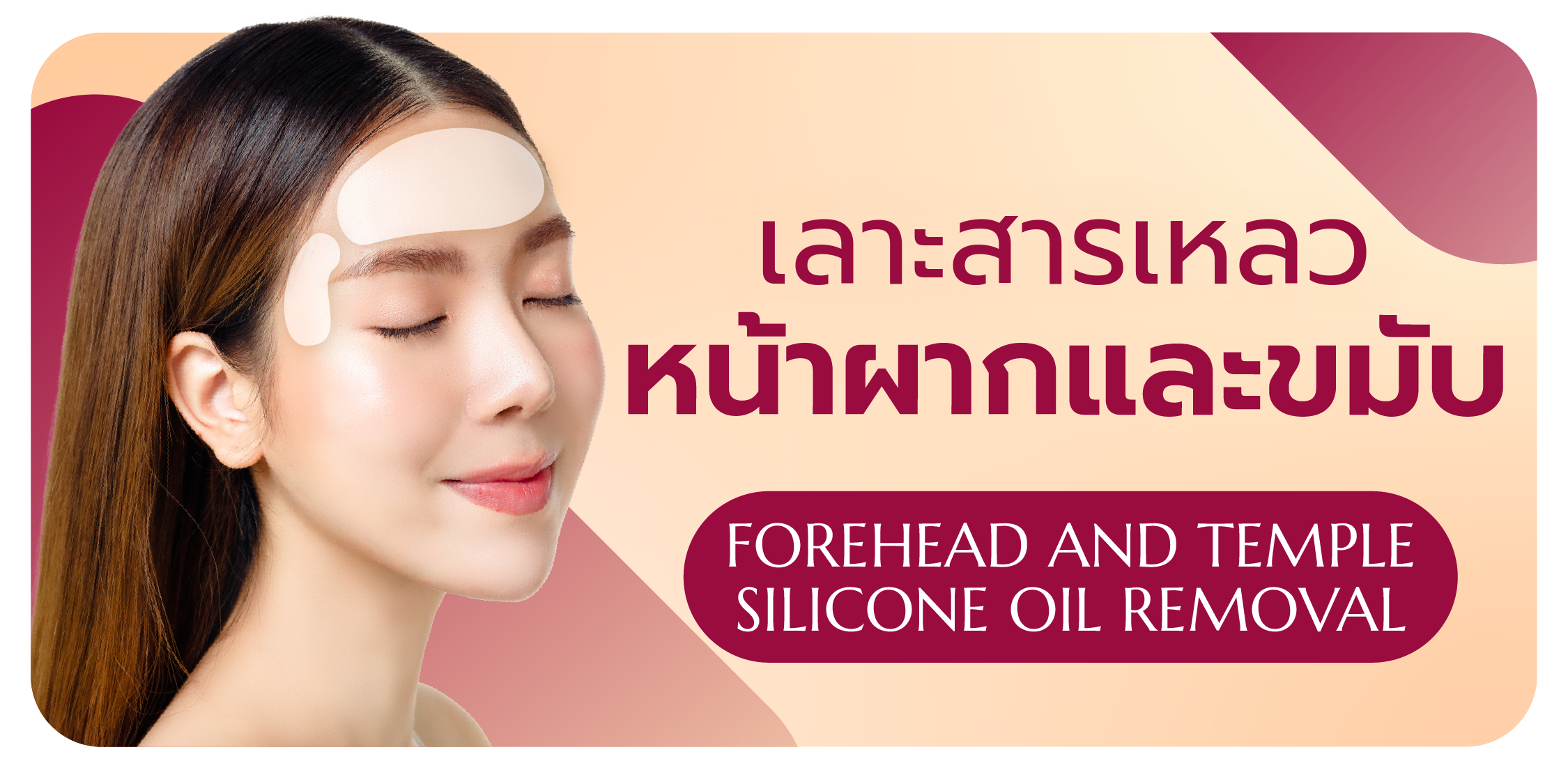
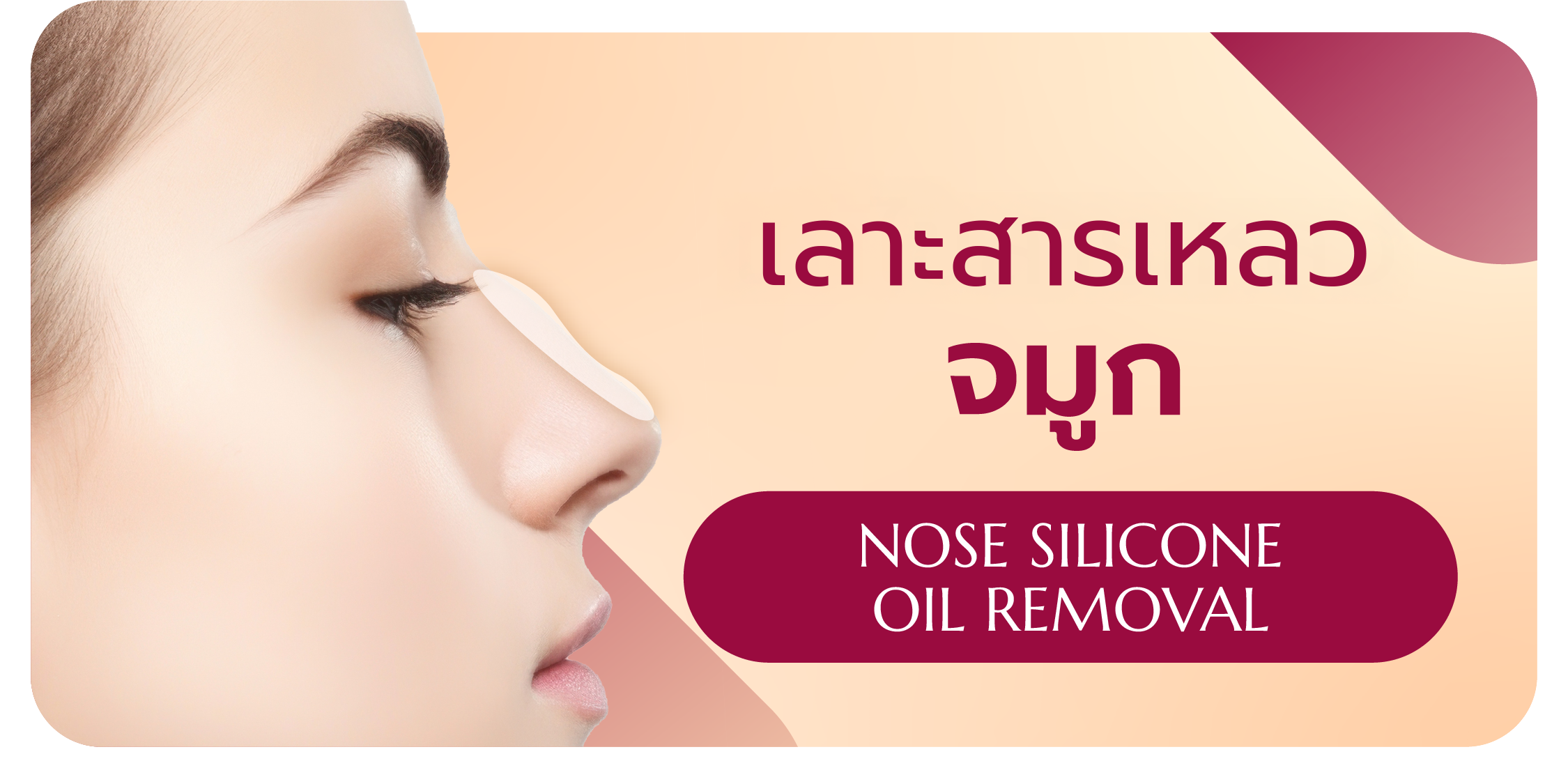
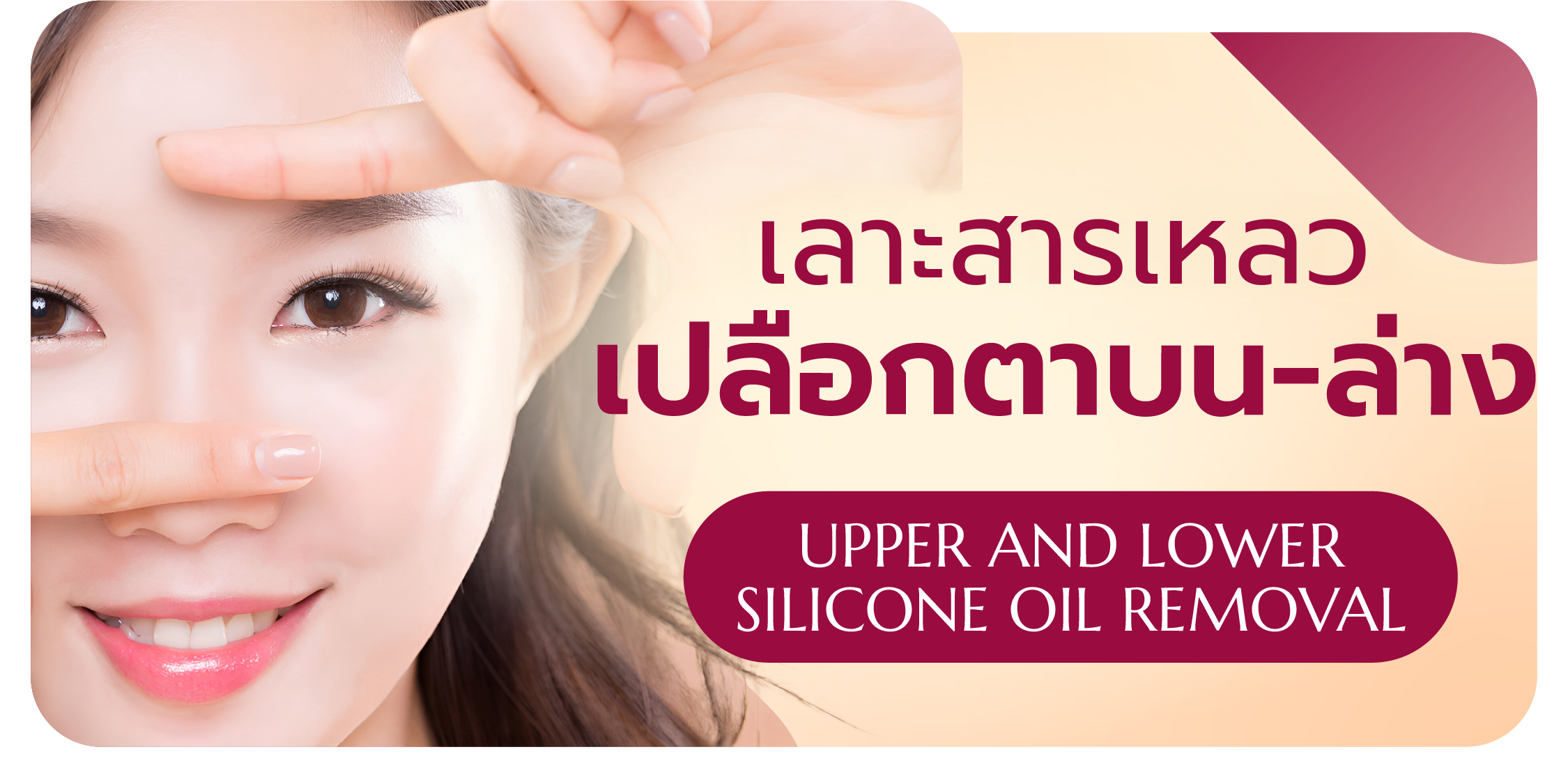
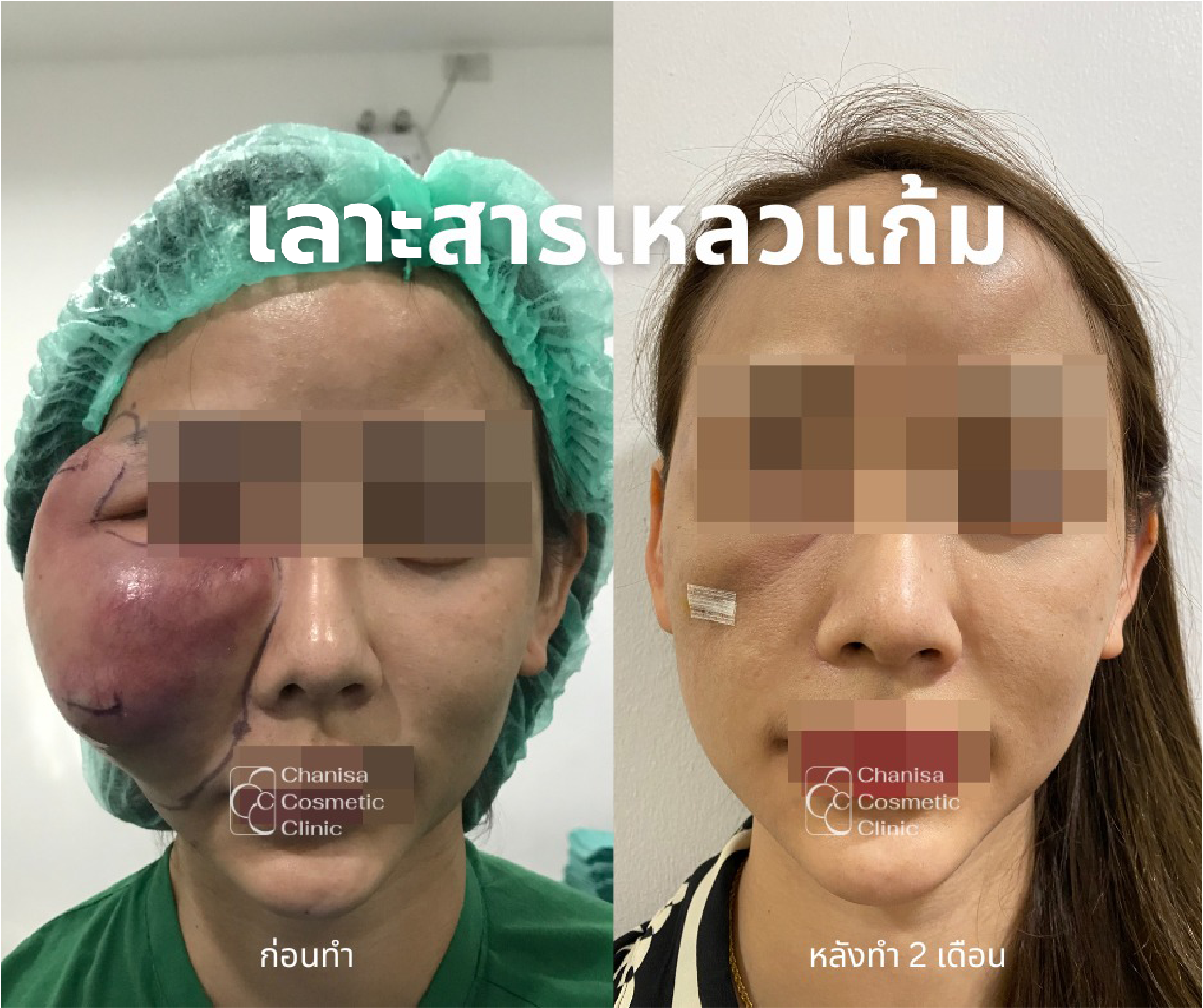
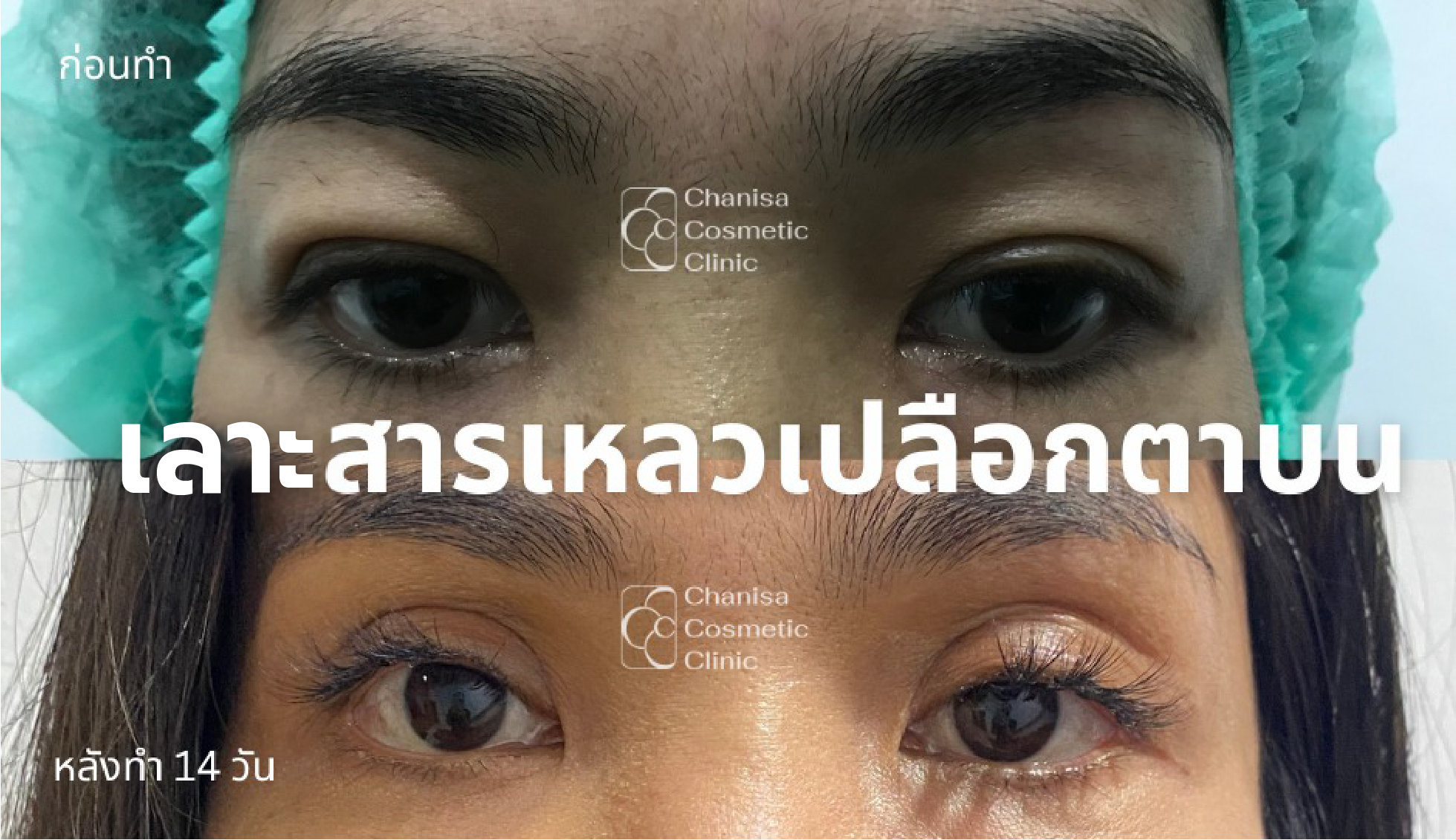
Silicone Oil Suction Removal (SOSR) at the clinic can remove the liquid substance effectively and precisely, with careful attention to safety. The incision is also concealed so that the scar blends naturally with the body. Meticulous suturing helps the wound heal smoothly and look natural. This is another method for removing foreign substances from the body. Many people mistakenly call it scraping. In general, once these substances have hardened, they cannot be scraped out; they must be surgically excised. Common areas for surgical excision include the forehead, upper and lower eyelids, nose, lips, and chin, as well as other areas that the doctor must examine first. The size of the surgical incision depends on the extent of the problem in each area.
- Surgical excision of the liquid silicone lump alone is recommended by the doctor for cases with a clearly defined lump or an area of tissue with chronic inflammation. Silicone Oil Suction Removal (SOSR) at the clinic can remove the liquid substance effectively and precisely, with a focus on safety. The incision is also carefully concealed so that the scar blends naturally with the body. Meticulous suturing helps the wound heal smoothly and look natural.
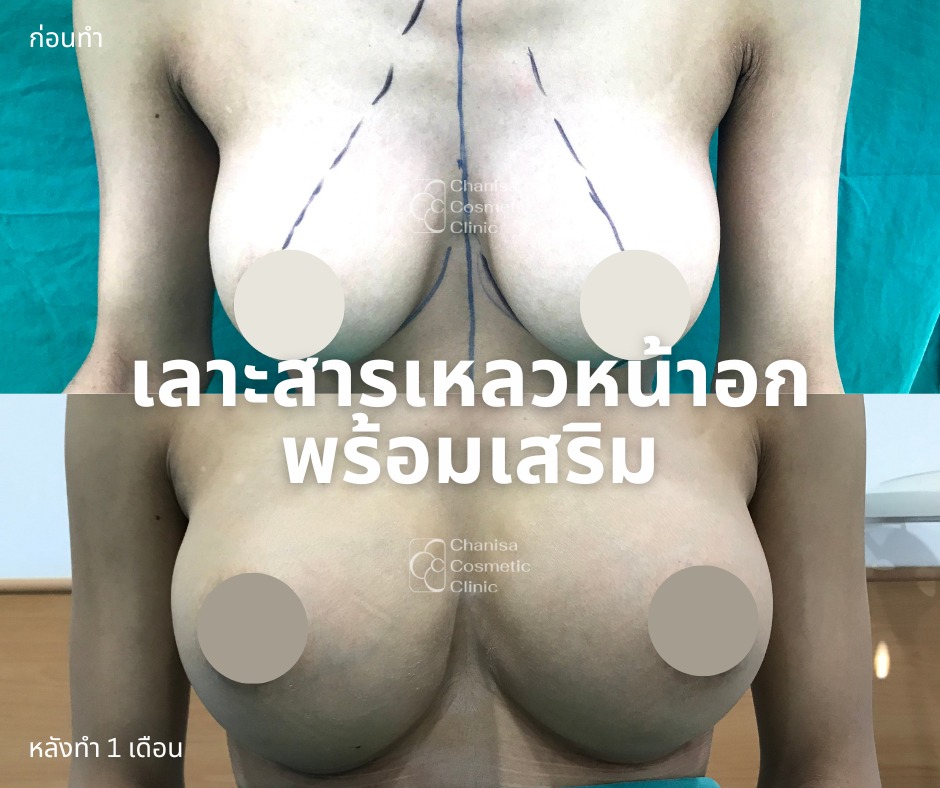
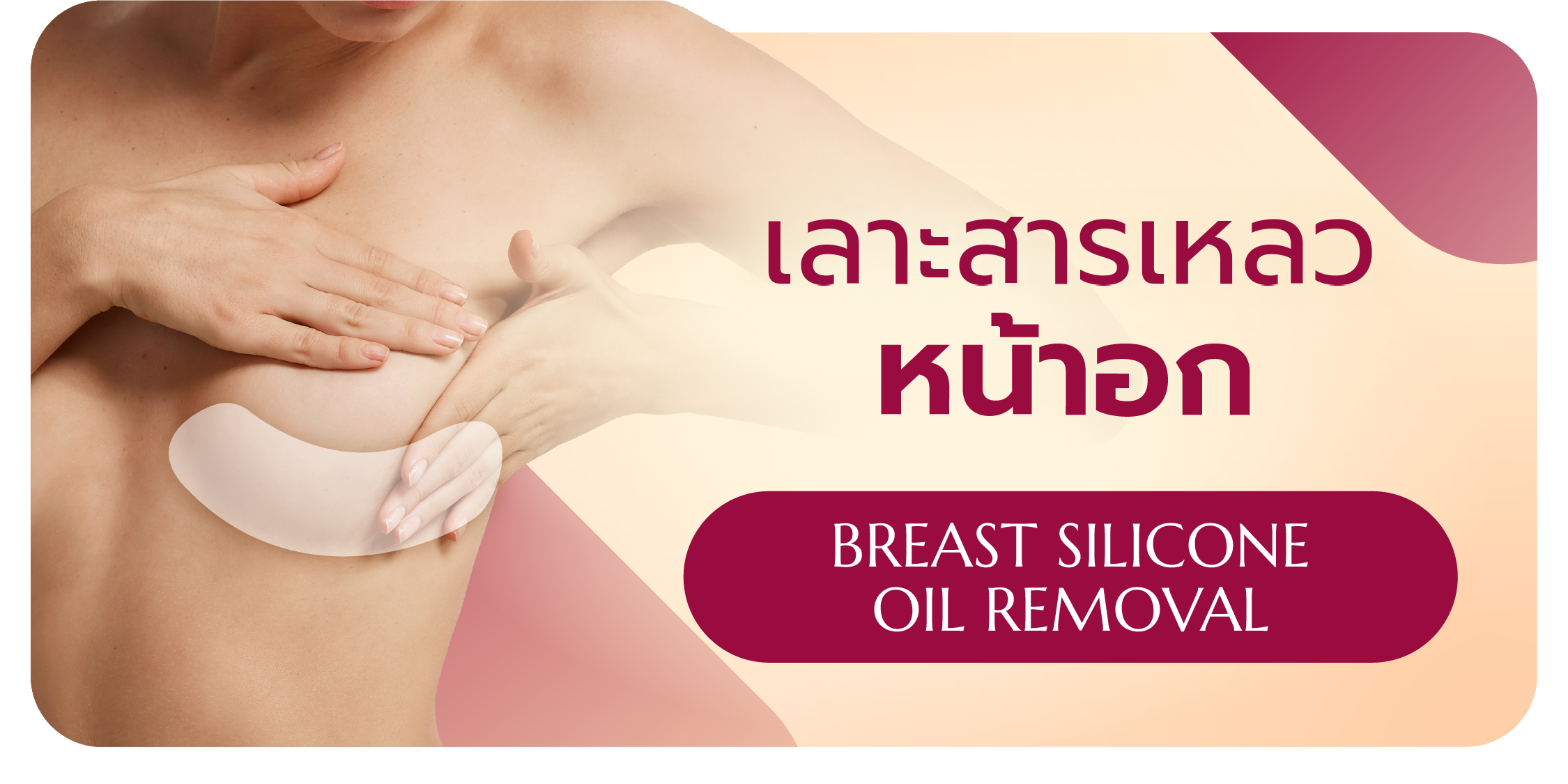
- Excision with Silicone Implant Placement is a more advanced surgical approach for cases involving injected foreign substances. In the past, after surgically excising the silicone, patients had to wait for the tissue to recover before undergoing augmentation or correction of any deformities that had developed or might develop. Excision involves removing normal tissue contaminated with the foreign substance, which may cause the tissue and skin in the treated area to sink or collapse after the substance is excised or suctioned out. As a result, patients may need several operations and have to live with a deformity or an unsatisfactory appearance for a period of time. The clinic now performs excision and augmentation in a single procedure. The benefit is that the silicone implant supports the underlying structure and helps prevent the area from sinking or becoming deformed after excision. Any improvement in appearance is due only to the augmentation or the placement of a silicone implant to support the shape after excision or surgery. The doctor must first examine the patient and determine what can be done and to what extent. Common areas treated with excision and augmentation include the forehead, nose, chin, and breasts. This approach is not suitable for an area that is currently inflamed or infected.
Why Choose Chanisa Cosmetic Clinic for Foreign-Substance Removal?
Treatment Approaches
All the approaches mentioned above only reduce potential risk factors, such as limiting spread to nearby areas and reducing tissue deformity. Dr. Anan Suwantewakup, a plastic surgeon at Chanisa Cosmetics Clinic, has stated: Removing liquid silicone from the body is a surgical treatment to correct disability or deformity, not cosmetic surgery. It is a medical condition that patients may have brought upon themselves through lack of awareness or persuasion. It cannot be completely cured, but it can be improved. Patients need only understand that treatment takes time and patience.In the early stages after injection, correction may be easier because the liquid silicone is still confined to a limited area. Over time, more tissue is damaged and the shape of the skin in the injected area changes further, making treatment difficult. It is not possible to remove all the liquid silicone from the body surgically or restore the area to its original appearance. Therefore, it is quite difficult for the operating doctor to guarantee the treatment outcome.
Questions and Answers
Based on statistics collected from patients treated at Chanisa Cosmetics Clinic, foreign substances such as liquid silicone can remain in some people’s bodies without causing a reaction. This means that not everyone who has had liquid silicone injected will experience a reaction. A small number of patients have no symptoms after injection. For this group, surgery to remove the filler may not be necessary, unless they develop a reaction, inflammation, or a deformity.
The likelihood of inflammation depends on the type and amount of substance injected, as well as each person’s individual response, which varies from person to person. In most cases, inflammation develops 3–5 years after liquid silicone is injected, when the body begins to react, causing inflammation or deformity. #Therefore, before becoming a victim of liquid silicone or other foreign substances, patients should consult a doctor directly and ask about the advantages and disadvantages of the substances being injected. They should also ask whether the doctor can correct the problem if the results are unsatisfactory, and whether the procedure should be performed at a hospital or a clinic that meets standards and is properly authorized by the Division of Sanatorium and Art of Healing, with credentials that can be verified. Patients can check a specialist doctor’s qualifications at http://www.surgery.or.th/sur_list.php and https://www.tmc.or.th/check_md/