Rhinoplasty
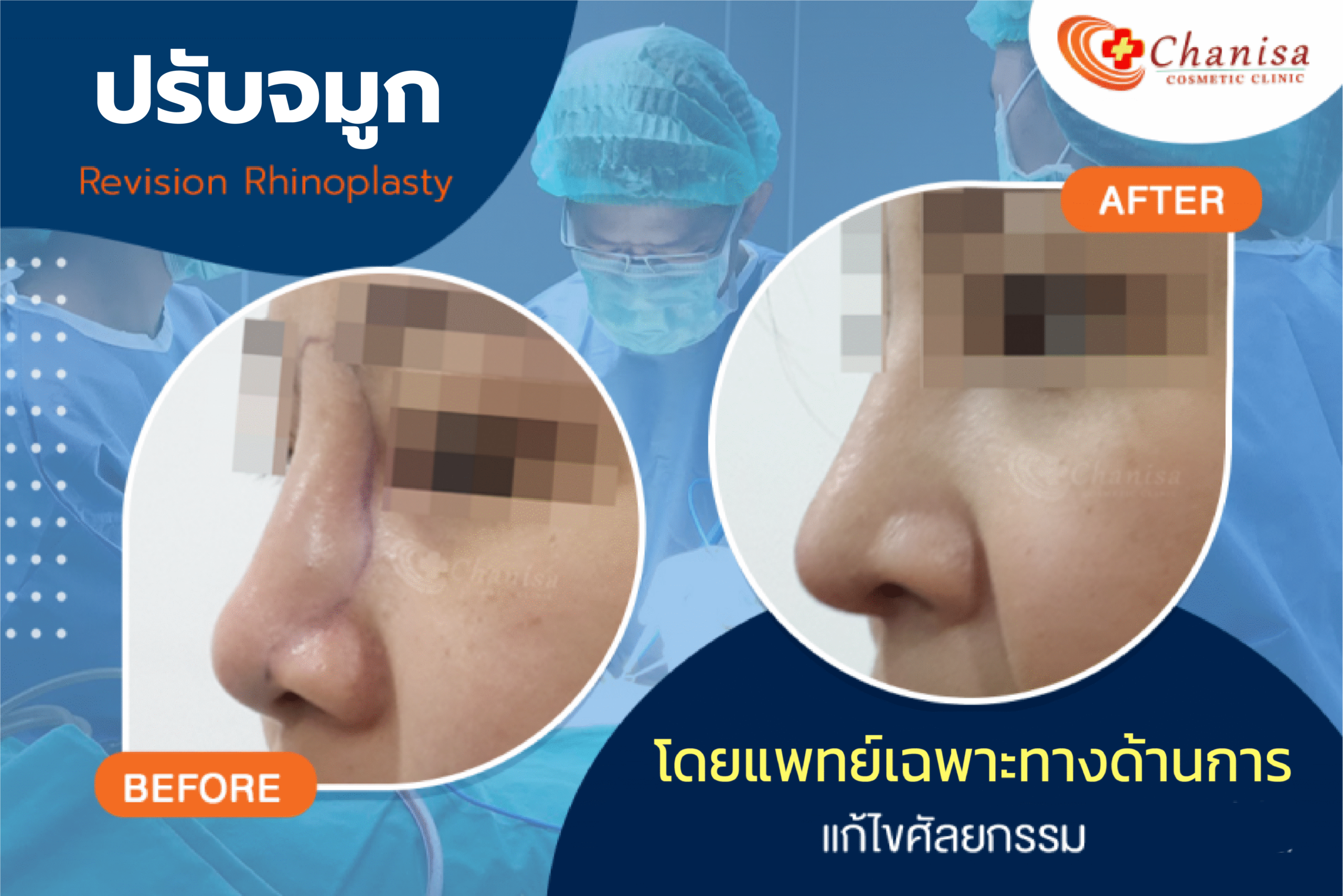
Revision of a Previously Augmented Nose
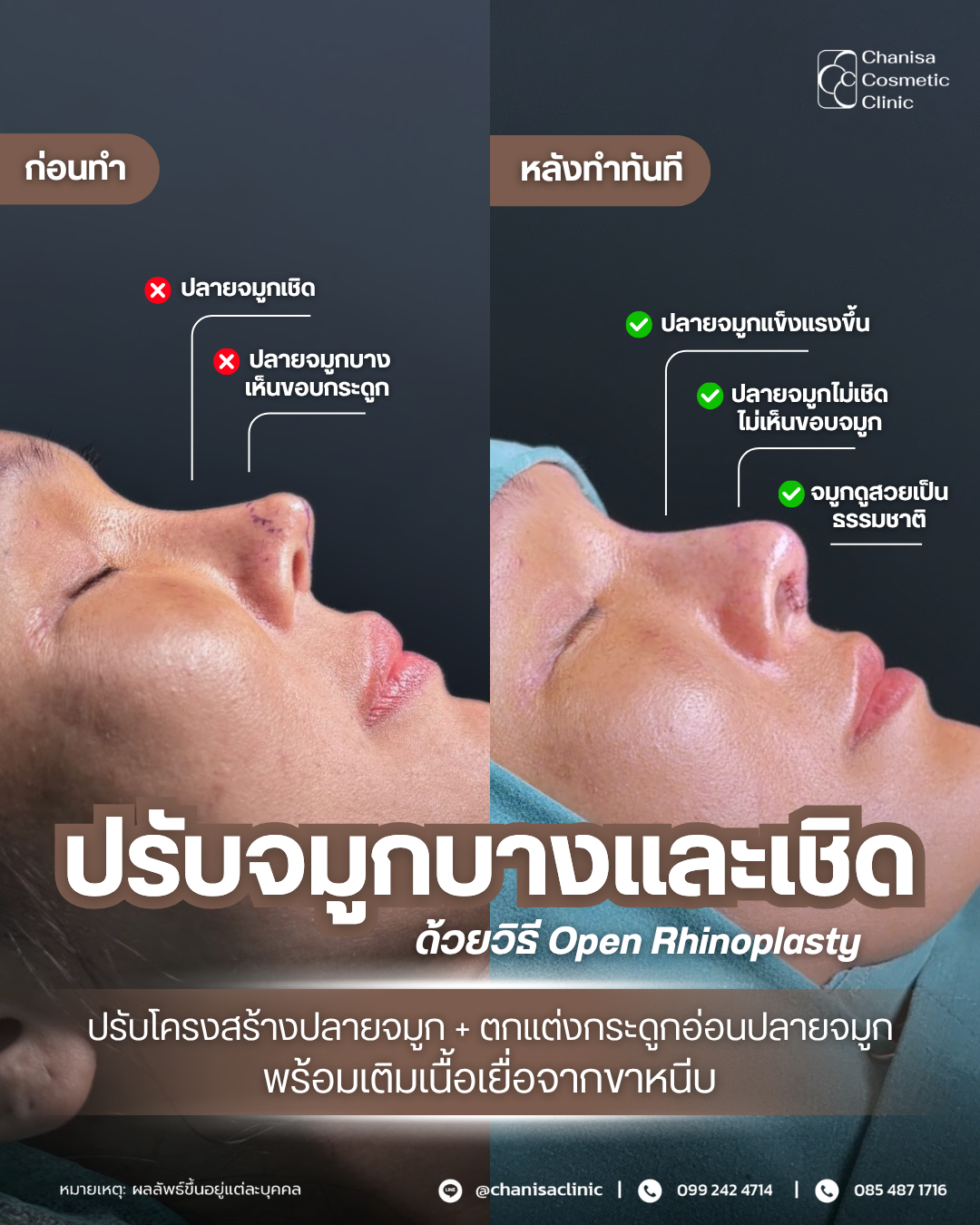
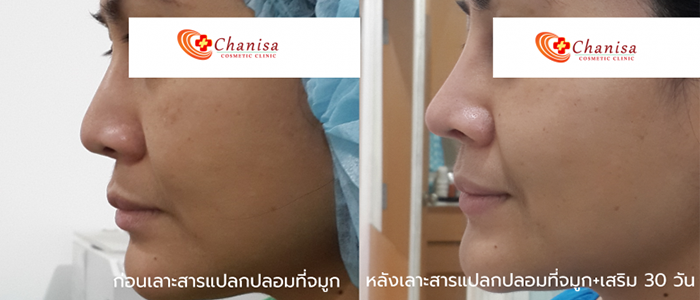
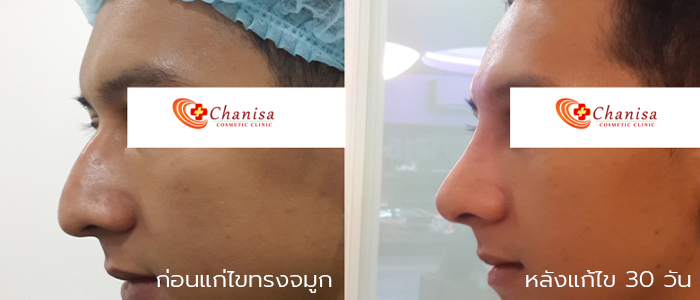
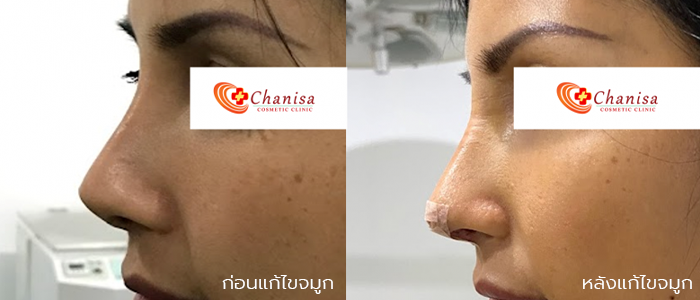
Complications from previous surgery may include a crooked nose, an implant protruding through the tip, inflammation or infection, or a nose that is too low. These problems may require another revision operation, but they can be corrected. There is no need to worry alone; consult a doctor about revision surgery to achieve a more attractive nose.
The results of the first operation may not meet your expectations. The shape or height of the nose and its tip may not be what you had hoped for, leading you to consider revision surgery. It is important to have a clear understanding of the desired result and to make sure the chosen shape will suit your face. Even if surgery achieves the nose shape you want, it may not harmonize with your features. Discuss your goals in detail with your doctor before deciding, so you can avoid needing another revision.
When to Have Revision Surgery
The appropriate timing for revision depends on the method and type of the previous operation. After a basic procedure, such as raising the bridge or lifting the tip, revision should be done promptly—within 10 days—or delayed for another 6 months. If cartilage was removed, the previous surgical scar has become hard, or there is not enough nasal tissue, it is advisable to wait about 1–2 years before revision surgery.
Surgical Method
Implant Displacement: A Silicone Implant Shifts from Its Original Position
A loose or shifting silicone implant may result from incorrect placement between the cartilage and surrounding tissue. Pressure from the skin over the nose can also cause the implant to become distorted. If the implant under the skin is loose or does not fit the nasal structure properly, and the skin at the tip is thin, the implant may eventually protrude through the tip. If the implant is in an unsatisfactory position or has shifted, revision surgery involves removing the old implant, adjusting the pocket so it is centered along the nose, and inserting a new silicone implant. Alternatively, Gore-Tex may be used because it adheres to the surrounding tissue.
Crooked Nose After Rhinoplasty: Possible Causes
The nose may be slightly crooked, but the deviation may not be noticeable unless you look closely. The implant may also be substandard or may not have been inserted correctly. A person’s nose can naturally be a little crooked, and in that case revision surgery may not be necessary. The nose may have been slightly crooked before surgery without you noticing. After augmentation, however, you may pay close attention to it and check it in the mirror every day, eventually noticing that it looks crooked. Before surgery, ask your doctor to check whether your nose is normally shaped. If it has a slight deviation that is barely noticeable, your doctor should explain that revision surgery may not be necessary. A nose can also become crooked if the implant is not positioned correctly and shifts to one side. To help prevent this, the implant should meet quality standards and be an appropriate size for the nose.If the nose is only slightly crooked,another complicated operation may not be necessary. Fat from the abdomen may instead be injected into the nose to improve its shape. Before deciding on revision surgery, discuss in detail with your doctor which approach is most suitable.
Inflamed, Red, and Thinning Nasal Tip
When the body repeatedly pushes against a silicone implant in the nose, the implant may press against the tip, causing redness and progressively thinning the skin. In severe cases, the implant may protrude through the nose. If the tip has become so thin that the implant can be felt, revision surgery involves removing the implant and adding dermal tissue, tissue from behind the ear, or Alloderm (an artificial dermal material) to the tip. If the tip is extremely thin or there is severe infection and inflammation, the implant should be removed promptly.
An Unnatural-Looking Nose After Augmentation
After surgery, the bridge between the eyebrows and the tip may be raised higher than usual, making the face look strained or unusual, with a severe or intimidating expression. The line from the forehead to the tip of the nose may also look out of balance with the level of the double eyelid creases. The point where these lines meet is called the “golden point.” In rhinoplasty, augmentation should begin at the golden point to achieve attractive, balanced proportions. If the silicone implant sits too high or too low relative to the golden point, revision surgery can reposition it appropriately.
Visible Silicone Implant Ridge
When the skin around the nose becomes thin, tiny blood vessels may show through and the nose may look thin, red, or translucent. This can be caused by very thin skin or by an oversized silicone implant. Revision may involve replacing the implant with a smaller or thinner one. If the skin is extremely thin, a layer of dermal tissue may be added to thicken it. Women’s desire for beauty continues to grow, and rhinoplasty is one example. Some people need revision because the nose became crooked after an earlier operation; others are unhappy with the results. These factors have led to an increasing number of revision procedures. Before any revision surgery, discuss in detail with your doctor what shape you want and understand what went wrong with the previous operation, to help achieve the best possible result.
Thick Nasal Tip
After rhinoplasty, the bridge and height may be satisfactory, but a common concern is that the tip is not well defined. This may be because the tip was naturally thick to begin with or because it was not refined during the augmentation procedure. Alloderm is now used to refine the tip, but it may change shape over time and alter the tip’s appearance. Alloderm is an artificial dermal material that can provide support and an attractive shape. However, because it is made from skin, its adhesion may loosen over time, after which it can behave like ordinary skin and the nose may become thick again. Surgery can remove tissue and cartilage from the tip to narrow it. The tip cartilages are then sutured together and supported with cartilage from the ear, making the tip slimmer and more upturned.
Revision Rhinoplasty
Rhinoplasty Procedure