LOGO FINAL1 (1) copy

เบอร์ติดต่อ
085-487-1716, 099-242-4714

Breast Augmentation

Types of Breast Augmentation

1. Breast Augmentation with Fillers or a Filler Injection Program

This procedure augments the breasts by injecting a substance such as hyaluronic acid, without surgery. It is suitable for people who want larger breasts but do not want surgery. The breasts become larger in a short time—just 30 minutes—and patients can return to their normal daily activities without recovery time. The attractive result lasts for 1–2 years. 

2. Breast Augmentation with Your Own Fat

This procedure involves augmenting the breasts with fat taken from the patient’s own body, such as from the abdomen or thighs. Breast augmentation with fat requires approximately 200-300 cc (if a larger increase is desired, silicone implants are the best option). It can only be performed on people who have enough body fat. One advantage of using your own fat is that the body accepts it, so it does not cause adverse effects. Fat is also removed from areas such as the abdomen and thighs, reducing excess fat there. There is no large surgical incision, only small puncture marks. Recovery is short, and an overnight hospital stay and general anesthesia are not required. One disadvantage, however, is that the injected fat may be absorbed by the body and some of it may dissolve over time, changing breast size and potentially leaving the result different from what was desired.

3. Breast Augmentation with Silicone Implants

It is a breast augmentation procedure in which breast implants are inserted. This method is now widely accepted and has few side effects. It has been proven that silicone does not cause cancer when placed in the body. Silicone implants can remain in the body indefinitely if there are no complications, such as an implant rupture or excessive capsular contracture.  

Four Key Points to Consider for Silicone Breast Augmentation

1. Incision Line

2. Placement Layer for the Breast Implant

3. Breast Implant Characteristics (Prosthetic Implant): Three Parts

1. Implants are classified by shell surface as smooth or textured.


2. There are two types of material inside the implant:


– Saline


– Medical silicone gel


3. Breast implants come in two shapes: round implants and teardrop-shaped or natural-looking implants (anatomical/contour).

4. Breast Implant Size

The size of the breast implant may depend on the patient’s preference, but most importantly, a specialist doctor should assess and select a suitable size and shape.
  • 1 cup = 236 cc.
  • 1/2 cup = 118 cc.
  • 1/4 cup = 59 cc.
  • 1/3 cup = 78 cc.

Breast Augmentation Surgery Steps

  • Breast augmentation surgery takes approximately 2–4 hours. The patient is given general anesthesia to facilitate the procedure.
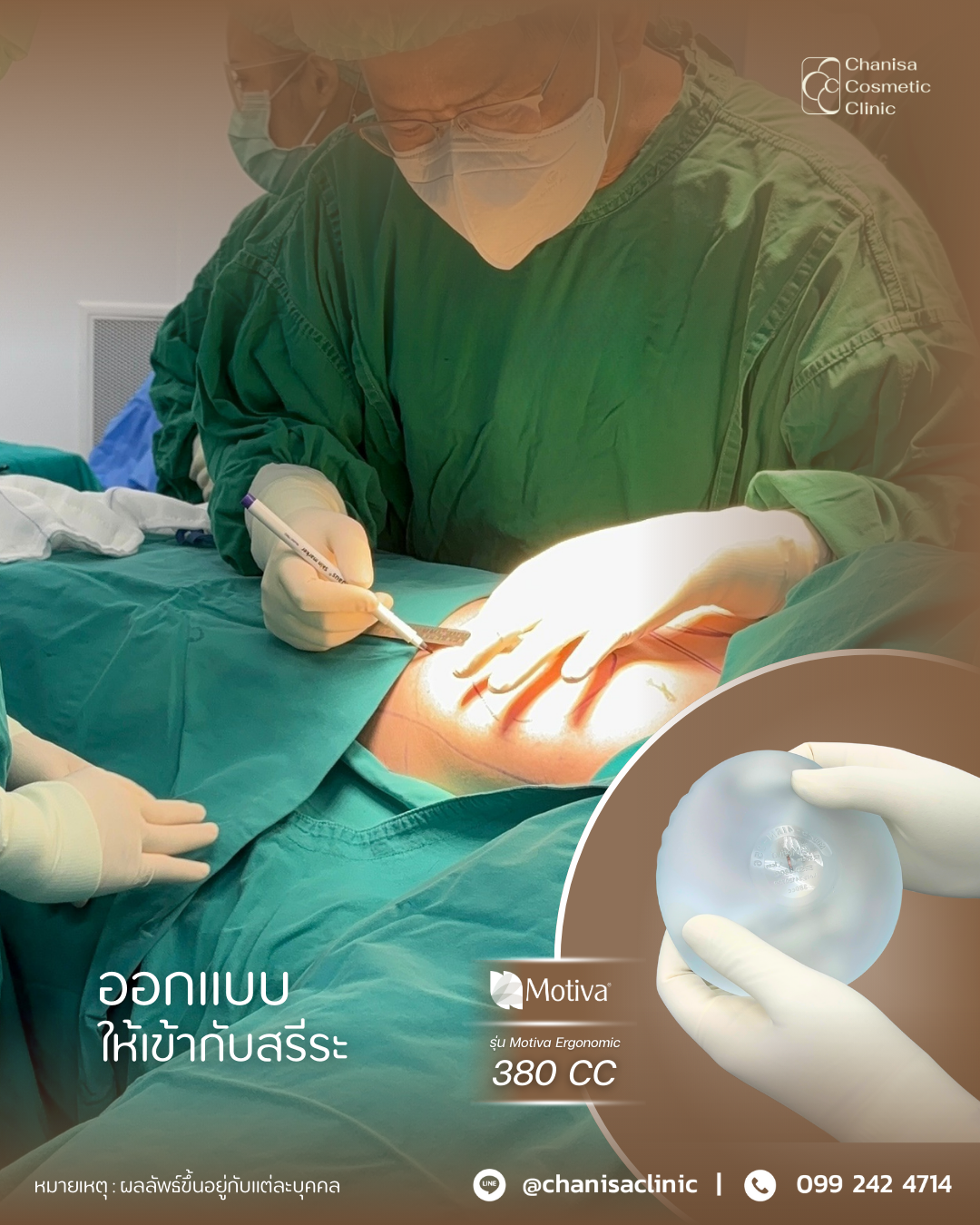
  • The doctor then makes an incision in the armpit, around the areola, or beneath the breast fold, depending on what has been agreed with the patient. The armpit approach is currently the most popular, as it better avoids a scar on the breast mound.
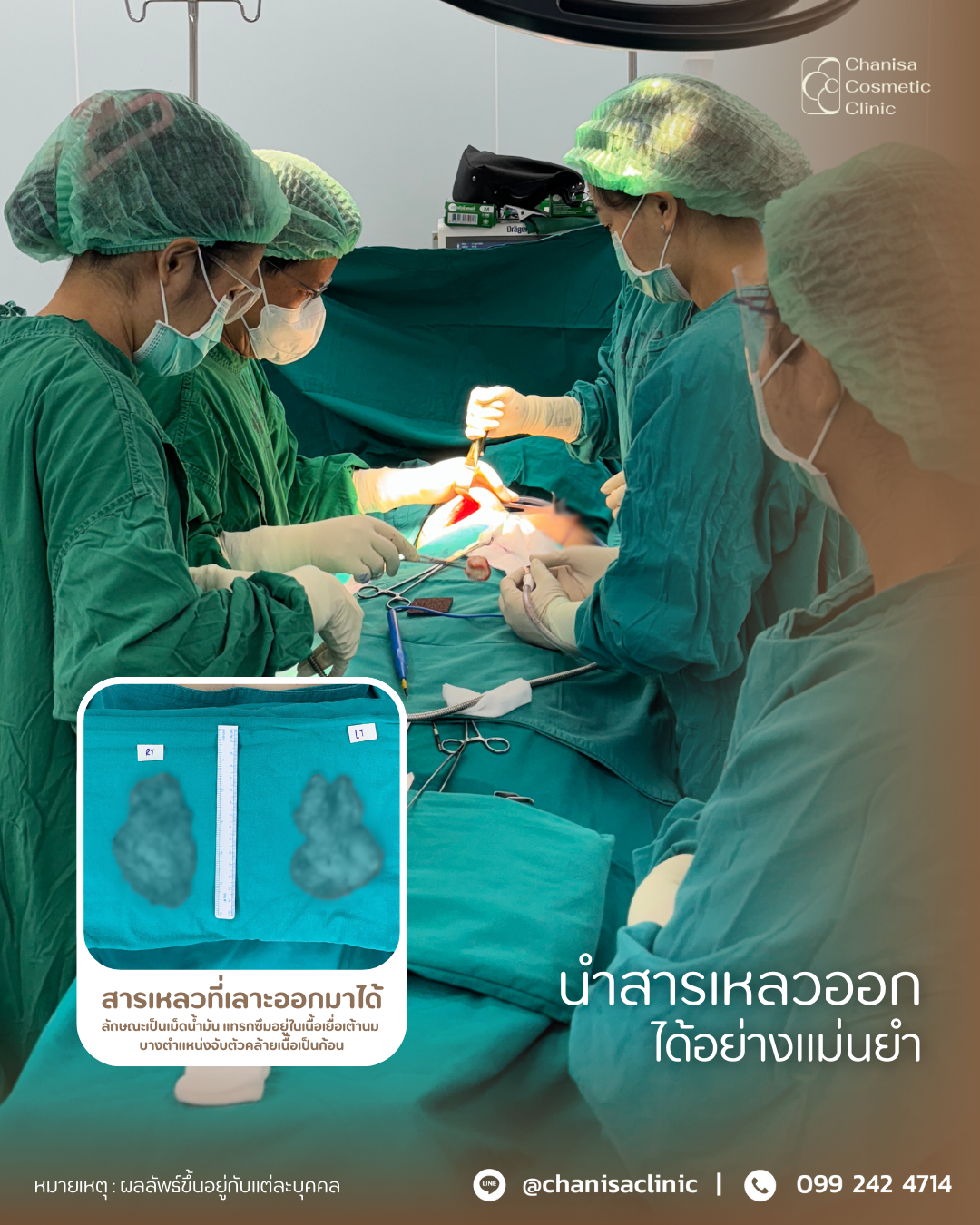
  • Next, the doctor creates a pocket between the breast tissue and the chest muscle, with enough space to insert the selected silicone implant. Once bleeding has been controlled, the doctor gradually inserts the breast implant until it is fully in place.
  • Once the shape is adjusted, the incision is closed with fine sutures, which may be dissolvable or non-dissolvable. 

Postoperative Care

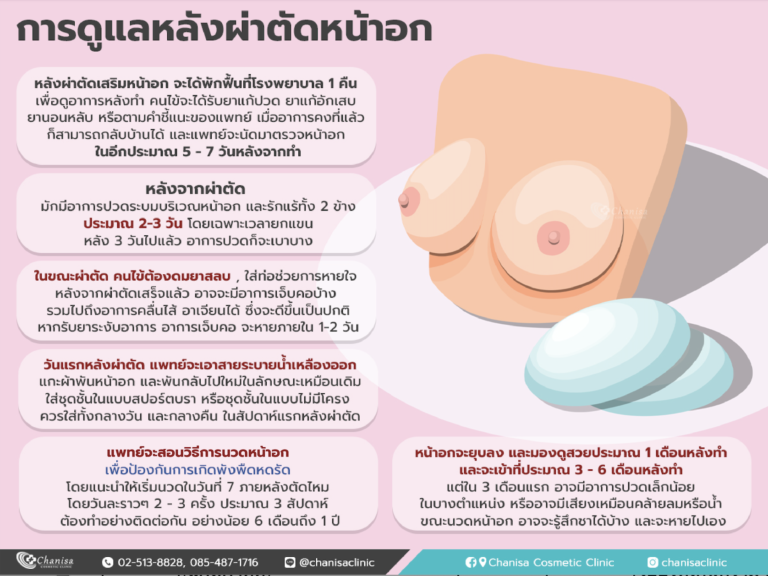
  1. After breast augmentation surgery, the patient will be able to stay in the hospital for one night to recover so their condition can be monitored. The patient will be given pain medication, anti-inflammatory medication, sleeping medication, or other medication as advised by the doctor. Once their condition is stable, they can return home, and the doctor will schedule a breast check approximately 5–7 days after surgery 
  2. After surgery, most patients experience soreness and pain in the chest and both armpits for approximately 2–3 days after surgery. In particular, pain when raising the arms generally becomes milder after the third day 
  3. During surgery, the patient is given general anesthesia and has a breathing tube inserted. Therefore, after surgery, the patient may experience a sore throat, as well as nausea and vomiting. In general, nausea and vomiting improve with medication to control them. A sore throat usually goes away on its own within 1–2 days 
  4. On the first day after surgery, the doctor will remove the drainage tube and unwrap the chest bandage, then rewrap it in the same manner. If the compression wrap slips or slides down, the doctor may have it replaced. Wear a sports bra or a wire-free bra; importantly, it should be worn both day and night during the first week after breast augmentation surgery
  5. The doctor will then teach the patient how to massage the breasts to help prevent capsular contracture after surgery. Patients are advised to begin massaging on the seventh day after suture removal, about 2–3 times a day for approximately three weeks. After that, massaging once or twice a day is sufficient. Continue regularly for at least 6 months to 1 year, or as advised by the doctor, to improve the appearance of the breasts and allow normal bra wear, provided the massage is performed correctly 
  6. Massage technique: press the implant down, up, inward, and outward in four directions. Then use both hands to press the breast implant, rolling it back and forth between the hands. Use the opposite hand to squeeze the lower part of the breast so that the implant moves upward as far as possible. Perform this while sitting or standing 
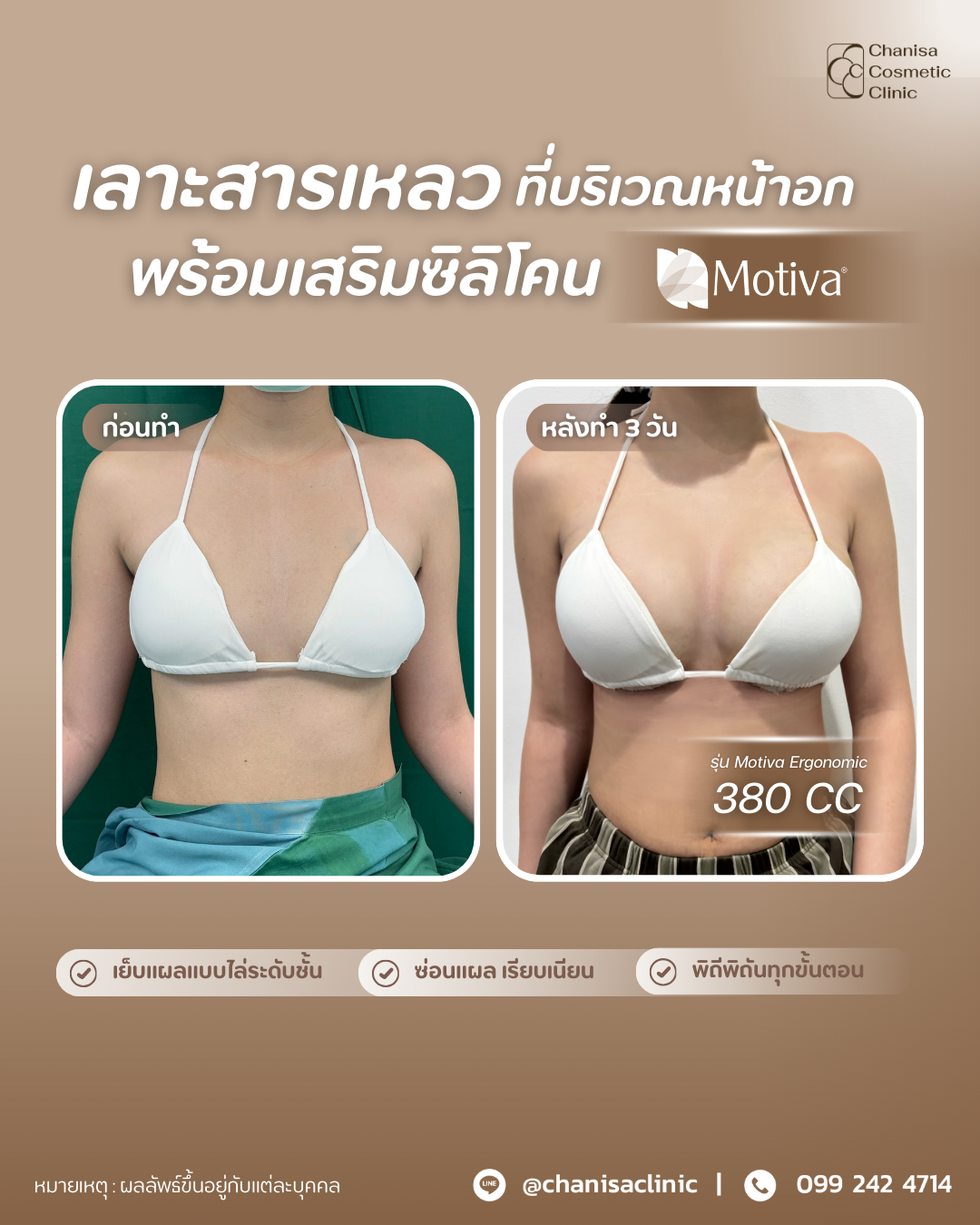
  7. The augmented breasts will settle and look attractive at around one month after surgery, and will fully settle in approximately 3–6 months. During the first three months in particular, there may be mild pain in certain areas, or a sound resembling air or fluid while massaging the breasts. There may also be some numbness in the breasts or nipples. These symptoms are temporary and usually resolve on their own 

Possible Side Effects After Breast Augmentation Surgery

 
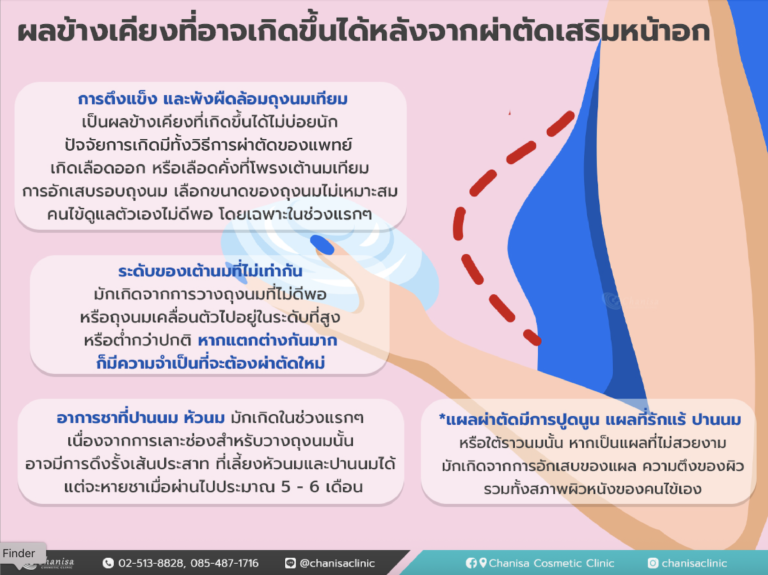
  1. Hardening and capsular contracture around the breast implant are uncommon side effects. Several factors may contribute to capsular contracture, including the surgeon’s technique; bleeding or a hematoma in the implant pocket; inflammation around the implant; choosing an unsuitable implant size, which can make the silicone edge palpable (more often seen in patients who want particularly large breasts); and inadequate postoperative self-care. Especially in the early postoperative period, correctly and regularly massaging the breasts is important in helping prevent these side effects.
  2. Uneven breast levels usually result from poor implant placement or from the implant shifting too high or too low. If the difference is significant, another operation may be needed to reposition the implants.
  3. Numbness of the areola or nipple usually occurs in the early stages because creating the pocket for the implant may stretch the nerves supplying the nipple and areola. It is usually temporary, and sensation returns within approximately 5–6 months.
  4. Raised surgical scars Scars in the armpit, around the areola, or beneath the breast may be unattractive. This may be caused by wound inflammation, skin tension, or the patient’s own skin characteristics.

Why Choose Chanisa Cosmetic Clinic for Breast Augmentation?

✔️Plastic surgery specialist – Breast augmentation tailored to each individual’s body shape

✔️ Soft Touch – Soft, attractive cleavage with a natural look

✔️ High-quality silicone – Standard-quality silicone selected for its soft feel, beautiful shape, and durability

✔️ Small incisions, less pain, and a shorter recovery – A technique that minimizes tissue trauma for faster recovery

✔️ Customized design – Size, shape, and placement adjusted to suit your body shape and help you feel confident

✔️ Safety-focused and meeting standards – A sterile operating room, modern equipment, and care that meets medical standards

✔️ Comprehensive care – Follow-up services and guidance to support recovery

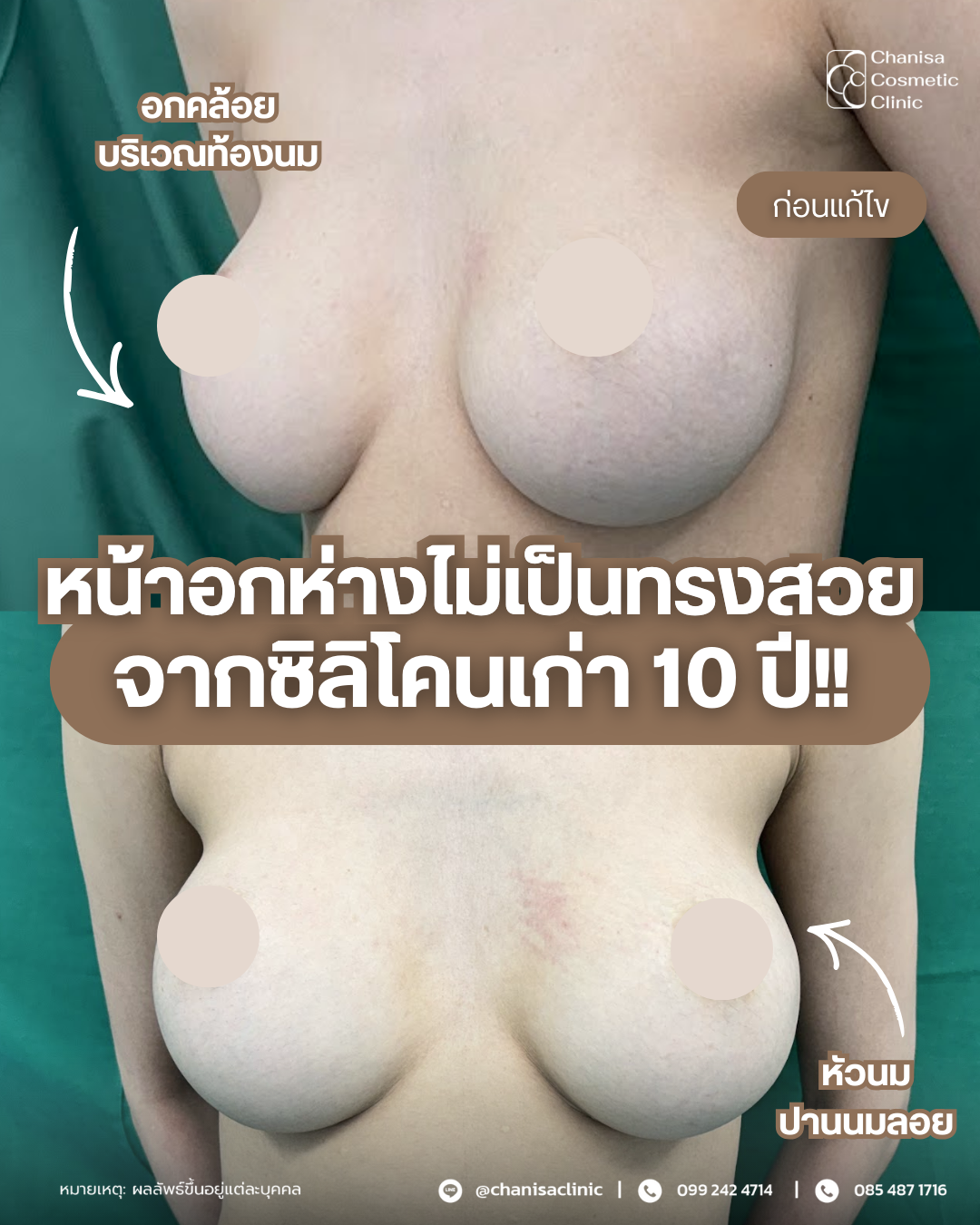
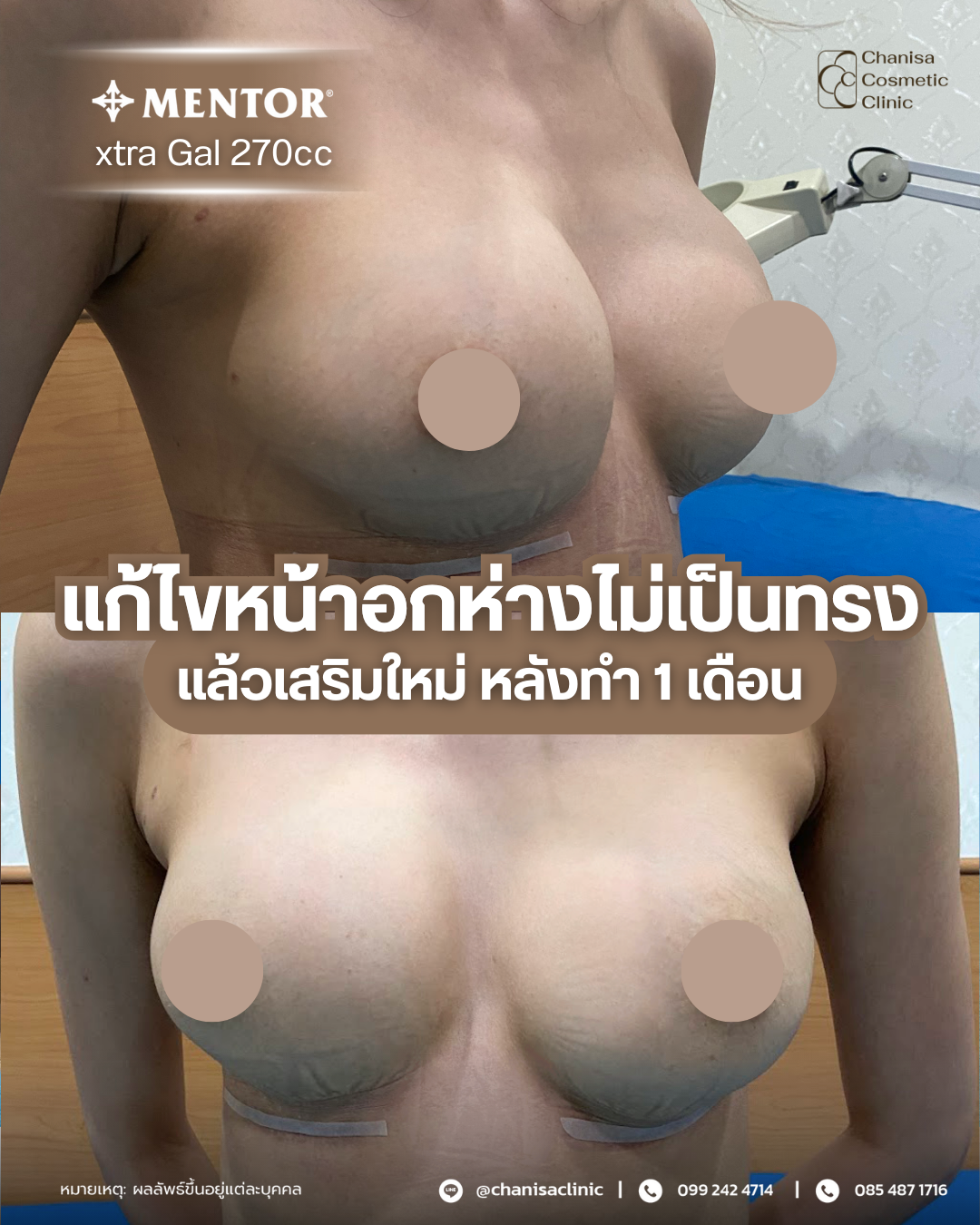
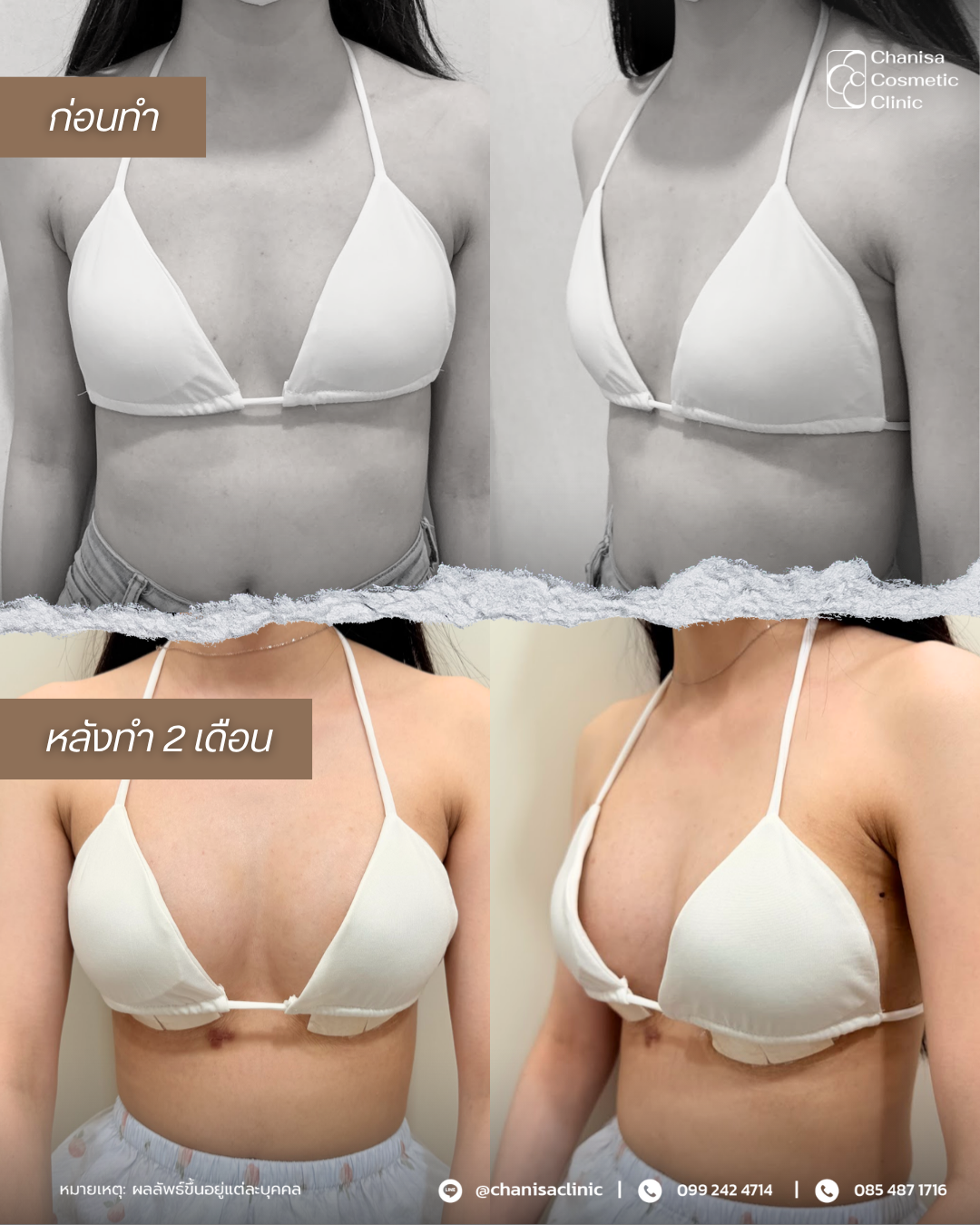
Breast Augmentation Results

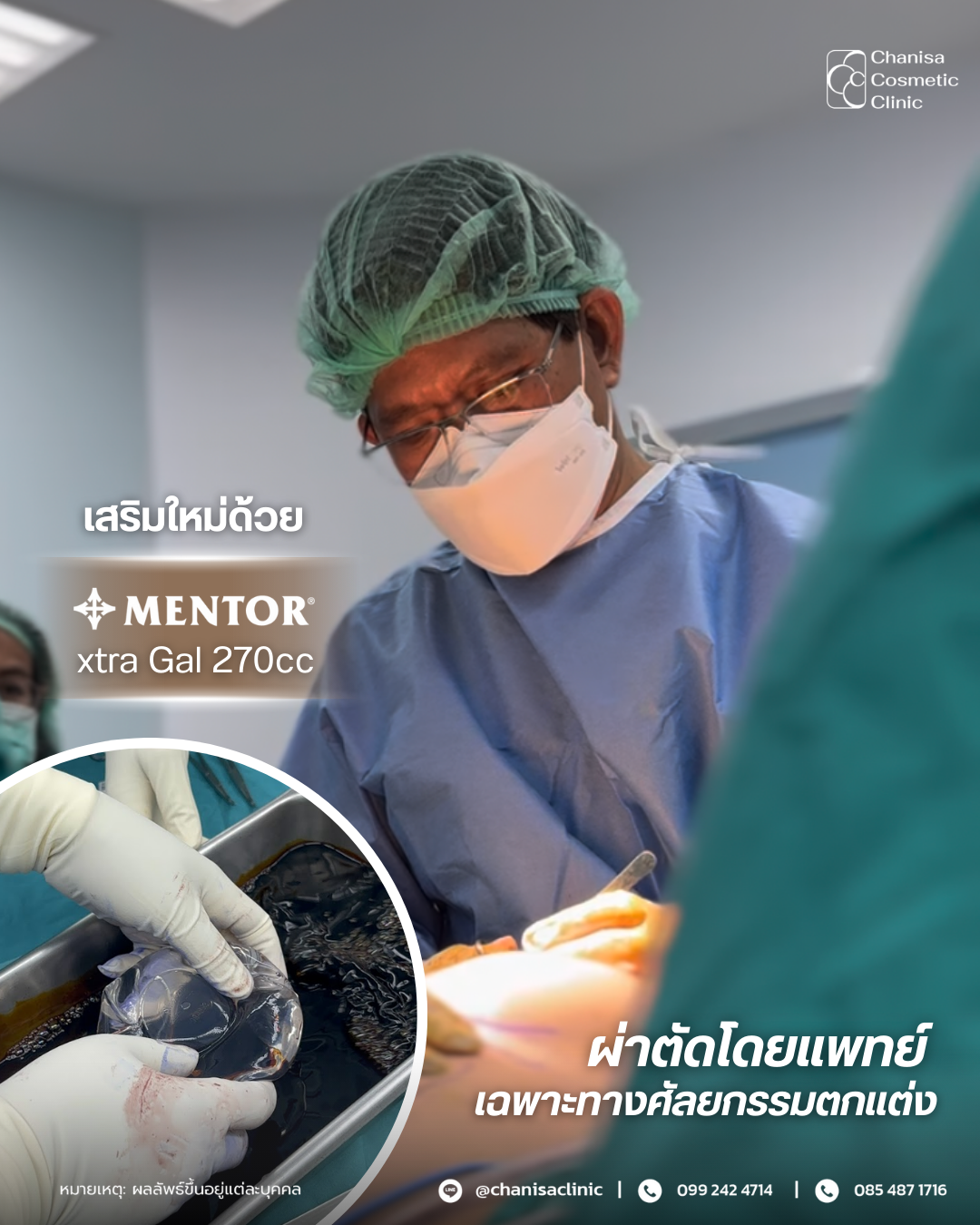
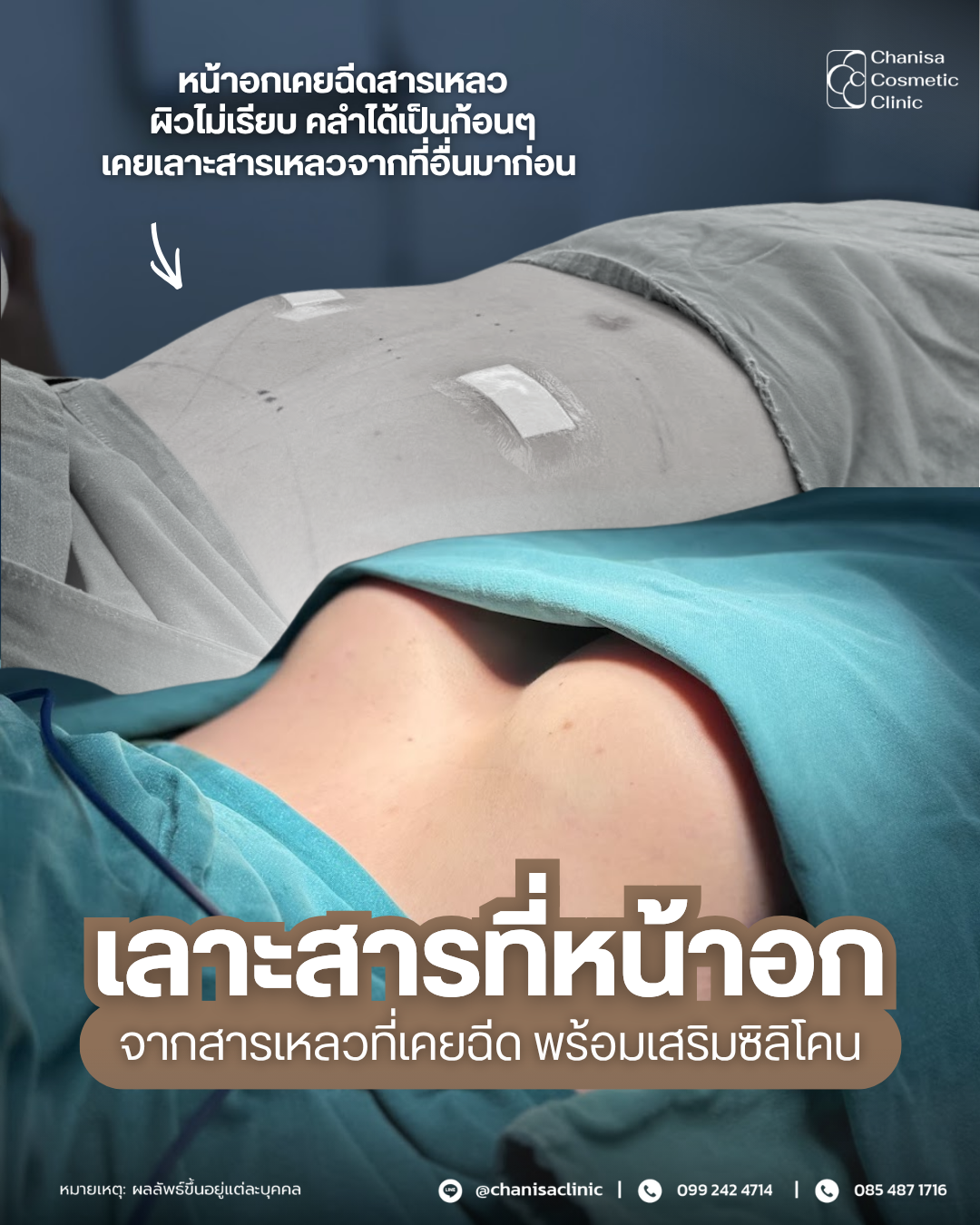
Surgical Procedure

https://lin.ee/lF8kwf5