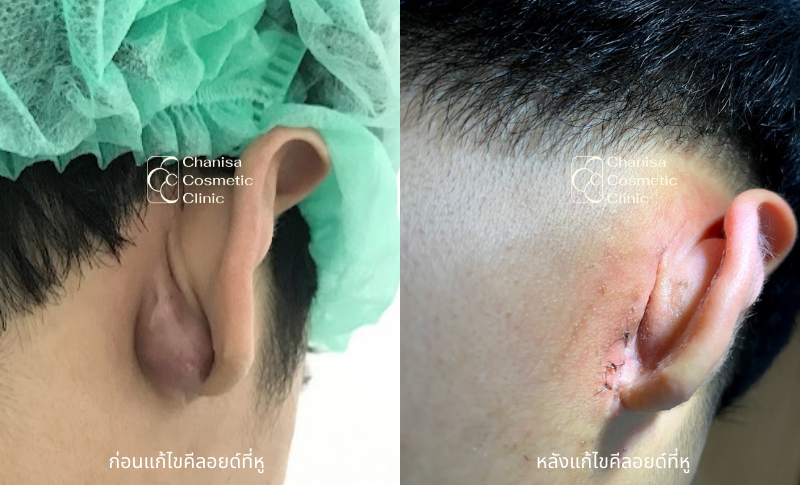
Keloid (keloid)
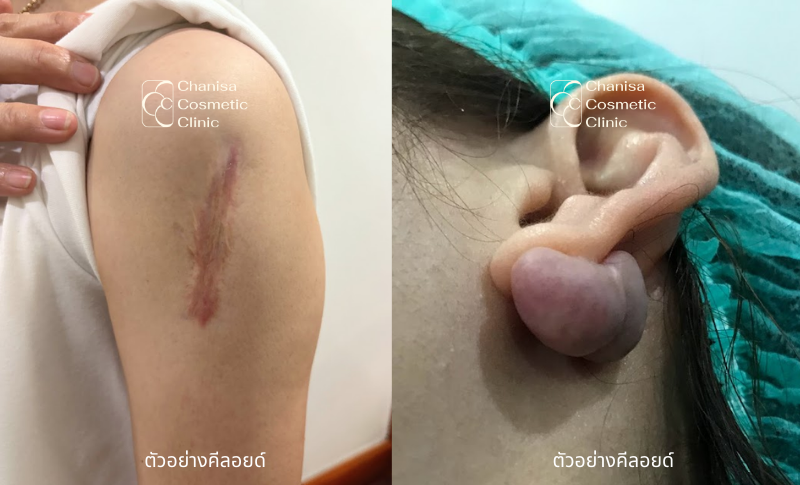
Keloids are a skin condition characterized by raised, thickened, firm, red, and itchy skin. Their exact cause is not yet known, but certain factors may contribute to their development, such as wound inflammation or infection, excessive tension on a wound after closure, incisions made across the skin’s natural lines, or the patient’s ethnicity or skin type.
Areas requiring special cautionAreas where keloids may develop include the shoulders, upper chest, earlobes, and areas around joints that are in constant motion. These areas require special care if surgery is needed.
Characteristics of Keloids
- A raised lump along the scar line
- Swelling, redness, and itching
- Can invade normal skin (Normal skin invasion)
Keloid Treatment Methods
- Non-surgical treatments, such as applying silicone cream or silicone sheets, combined with a pressure dressing or pressure garment
- Steroid injections to inhibit and stimulate the growth of keloid cells
- Surgical treatment may require an evaluation by a plastic surgeon or surgeon, who can discuss surgical options with the patient
- Combine all methods (methods 1–3)
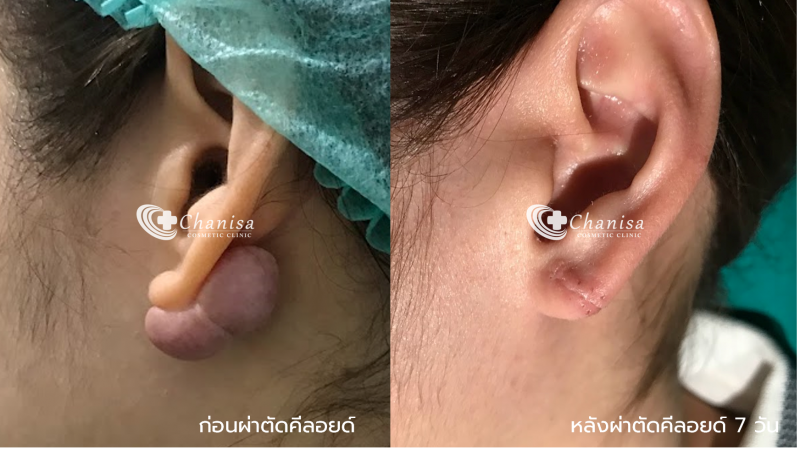
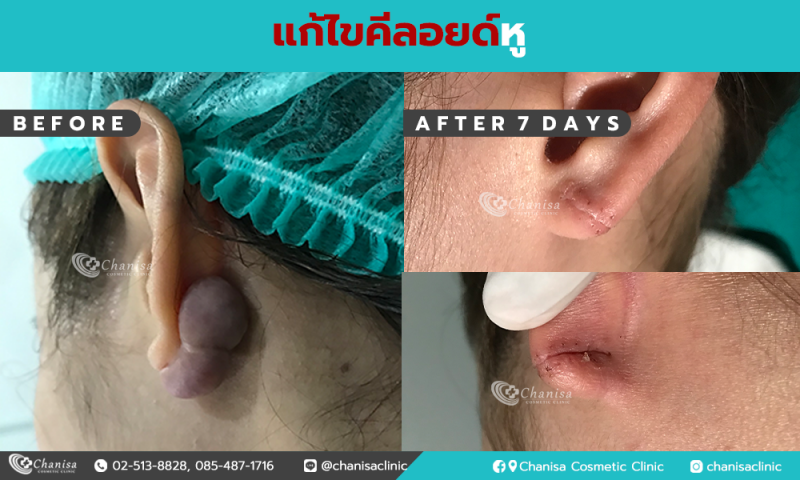
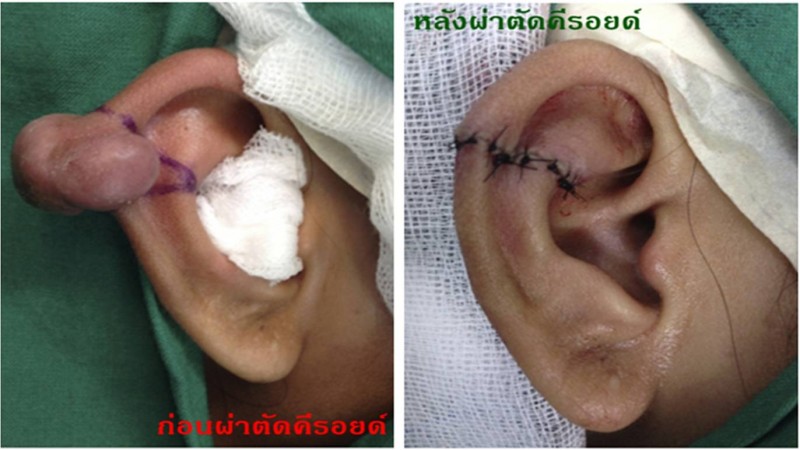
Surgical Procedure
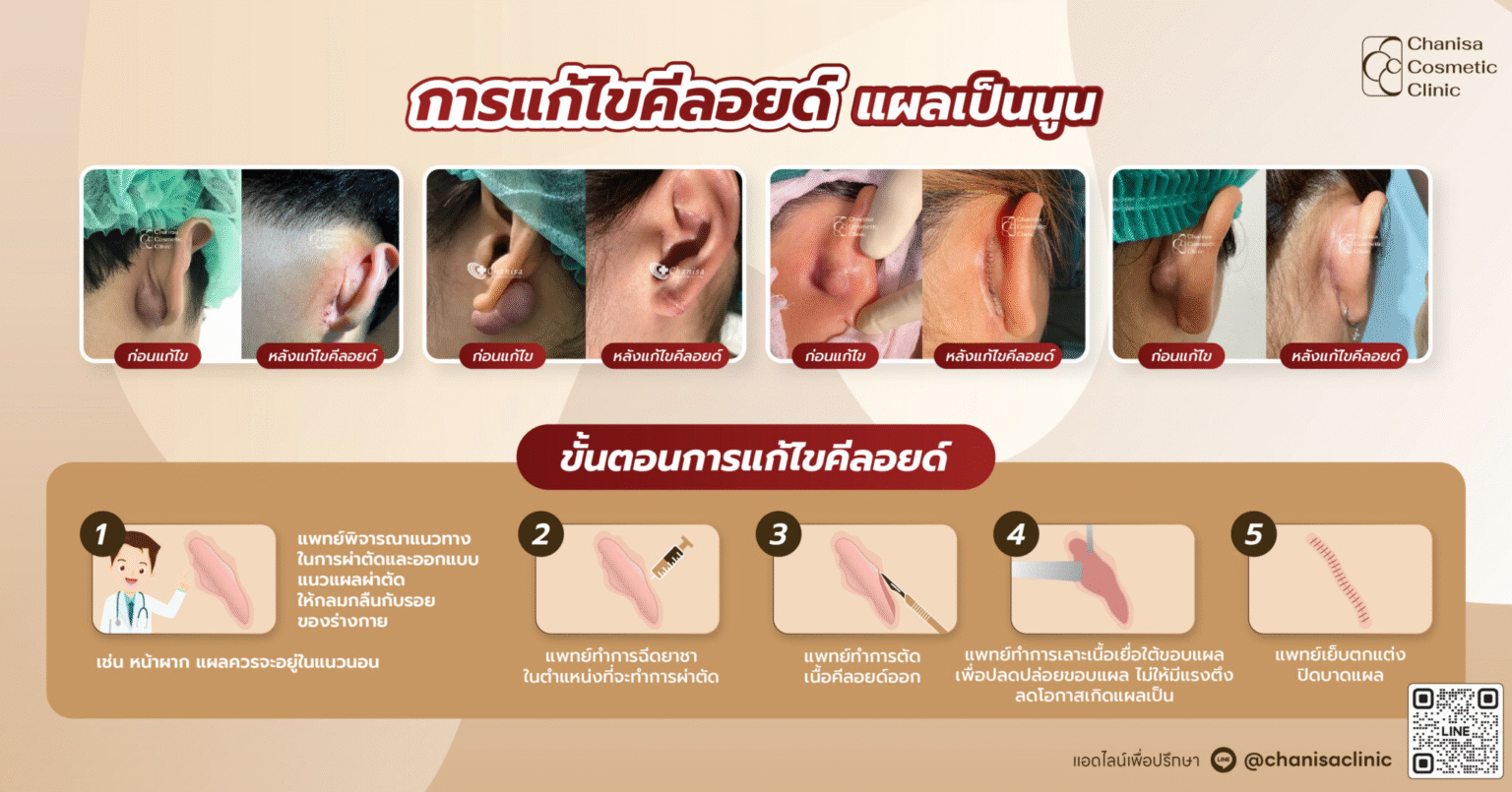
- The doctor evaluates the surgical approach and designs the incision to follow the body’s natural lines or creases. For example, on the forehead, the incision should be horizontal.
- The doctor administers local anesthetic at the surgical site.
- The doctor removes the keloid tissue.
- The doctor undermines the tissue beneath the wound edges to release them and eliminate tension (undermining to release tension) to reduce the risk of scarring.
- The doctor closes and refines the wound with sutures.